
If you are searching for the best sleep apnea appliance, a sleep apnea clinic near me, or an alternative to CPAP in the Tri-Cities, you may have questions about how oral sleep apnea appliances actually work—and how they are made.
At Columbia Center for Sleep Apnea and TMJ, we provide custom oral appliance therapy for appropriately selected patients with obstructive sleep apnea (OSA), particularly those who are unable to tolerate CPAP.
Our practice is located in Richland, Washington, and serves patients throughout Richland, Kennewick, Pasco, and surrounding Eastern Washington communities.
Our doctor, Dr. Jared Bloxham, DDS, MS, is a retired dentist who now specializes in Orofacial Pain. He personally evaluates patients and custom fabricates oral sleep appliances designed to gently position the lower jaw forward during sleep.
What Is a Sleep Apnea Appliance?
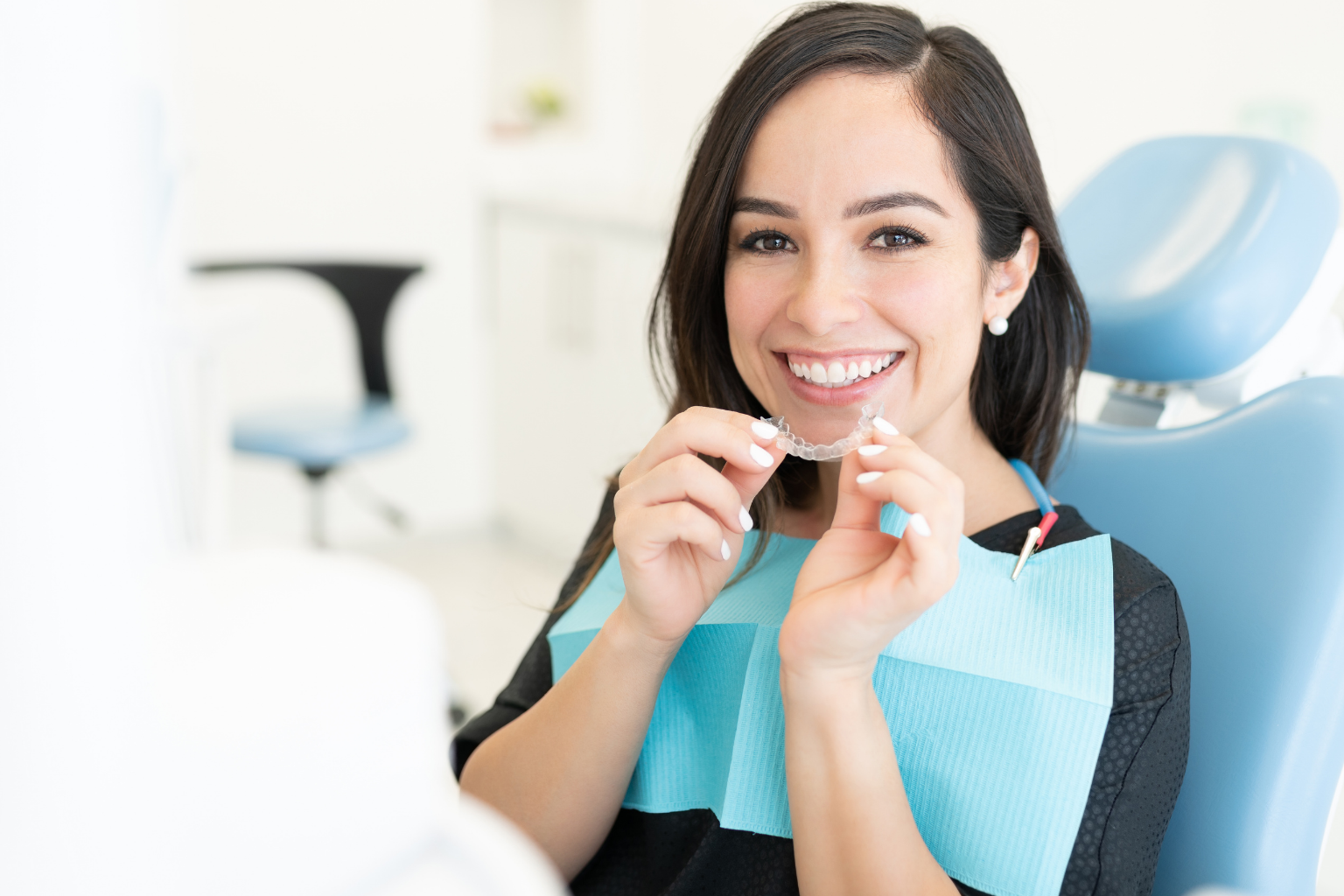
A sleep apnea appliance, also called a mandibular advancement device (MAD) or oral appliance, is a custom-fabricated dental device worn while sleeping.
Unlike CPAP, which uses pressurized air delivered through a mask, an oral appliance works mechanically by influencing the position of the lower jaw.
The appliance is designed to gently hold the lower jaw in a forward position while you sleep.
This forward positioning can help increase the space behind the tongue and support the upper airway, reducing the tendency of the airway to collapse in appropriate patients.
When the airway remains more stable and open, there can be fewer obstructive breathing events during sleep.
For some patients, this can also result in less snoring.
How Does Moving the Jaw Forward Help With Sleep Apnea?
To understand how an oral appliance works, it helps to understand what happens during sleep.
In obstructive sleep apnea, the muscles and soft tissues surrounding the upper airway can relax during sleep. In some people, the airway becomes narrowed or collapses, restricting airflow.
When an oral appliance gently advances the lower jaw, it can change the position of the jaw and associated soft tissues.
This may help increase the size and stability of the upper airway.
The goal is not to force the jaw dramatically forward.
Instead, a properly designed appliance uses controlled, gradual advancement to find a therapeutic position that balances airway benefit with comfort and jaw health.
Every patient is different, which is one reason custom fabrication and follow-up are so important.
How Are Sleep Apnea Appliances Made?
A custom oral appliance is not simply a generic mouthguard.
The process begins with evaluating the patient and determining whether oral appliance therapy is an appropriate treatment option.
If you are a candidate, the appliance is custom fabricated based on your individual mouth, teeth, jaw, and treatment needs.
1. Patient Evaluation
Before an appliance is made, Dr. Bloxham evaluates your oral and jaw health.
This is an important step because oral appliance therapy changes the position of the lower jaw. Your teeth, bite, jaw joints, and muscles all need to be considered.
Patients receiving oral appliance therapy should have an established diagnosis of obstructive sleep apnea from an appropriate medical or sleep professional.
Our role is to provide oral appliance therapy for patients who have been appropriately diagnosed and are eligible for this form of treatment.
2. Creating the Custom Appliance
Once a patient has been determined to be an appropriate candidate, measurements and records are used to create an appliance specifically for that patient.
The device is designed to fit securely over the teeth and allow the lower jaw to be positioned forward in a controlled manner.
3. Gentle Jaw Advancement
One of the most important features of a therapeutic sleep apnea appliance is its ability to adjust the position of the lower jaw.
The goal is controlled advancement—not simply pushing the jaw as far forward as possible.
The amount of advancement can be adjusted based on the patient's response, comfort, and therapeutic needs.
This is sometimes referred to as titration.
Titration allows the appliance to be adjusted over time to find an appropriate therapeutic position.
4. Follow-Up and Adjustment
Getting the appliance is not necessarily the end of treatment.
Follow-up is an important part of oral appliance therapy.
Dr. Bloxham can evaluate how you are tolerating the appliance and make appropriate adjustments when necessary.
Patients may also undergo follow-up sleep testing through their sleep physician or other medical provider to determine whether the appliance is effectively treating their obstructive sleep apnea.
The goal is not simply to make an appliance that feels comfortable.
The goal is to provide an appliance that is comfortable, appropriately positioned, and therapeutically effective for the individual patient.
Can a Sleep Apnea Appliance Stop Snoring?
Snoring and obstructive sleep apnea are closely related, but they are not the same condition.
Snoring occurs when tissues in the upper airway vibrate as air moves through a narrowed airway. An oral appliance can help reduce airway narrowing in appropriate patients, which may reduce snoring.
However, not everyone who snores has sleep apnea, and treating snoring is not the same as treating obstructive sleep apnea.
If you suspect you have sleep apnea, proper medical evaluation and diagnosis are important.
For patients who already have an OSA diagnosis and are appropriate candidates for oral appliance therapy, reducing airway obstruction can potentially reduce both apneas and snoring.
Why Choose a Custom Sleep Apnea Appliance?
If you search online for the best sleep apnea appliance, you will find countless devices that claim to help with snoring or sleep apnea.
There is an important distinction between a generic product and a professionally provided oral appliance.
A custom therapeutic appliance is designed around your individual anatomy and can be adjusted to achieve a therapeutic jaw position.
This allows your provider to consider factors such as:
- Your dental anatomy
- Your bite
- Your jaw joints
- Your jaw muscles
- Your ability to tolerate mandibular advancement
- Your sleep apnea diagnosis
- Your response to treatment
Store-bought mouthpieces generally cannot provide the same degree of individualized evaluation, fabrication, and professional adjustment.
Oral Appliances vs. CPAP
CPAP remains an important and highly effective treatment for obstructive sleep apnea.
However, not everyone is able to tolerate CPAP comfortably or use it consistently.
Oral appliance therapy can be an alternative for appropriately selected patients, particularly adults with OSA who are intolerant of CPAP.
If you have already tried CPAP and struggle with the mask, pressure, equipment, or sleeping comfortably with the device, it may be worth discussing oral appliance therapy with your sleep physician and a qualified dental provider.
Our office focuses on providing the
dental component of sleep apnea treatment for