
If you are experiencing jaw pain, headaches, clicking or popping when you open your mouth, facial pain, or difficulty chewing, you may be searching for “conservative therapy for TMJ” or non-surgical TMJ treatment.
The good news is that TMJ disorders do not automatically mean you need surgery or an aggressive procedure. For many patients, conservative TMJ therapy can be an appropriate first step toward reducing pain, improving jaw function, and understanding what may be contributing to their symptoms.
At Columbia Center for Sleep Apnea & TMJ, Dr. Jared Bloxham is an Orofacial Pain Specialist and TMJ Specialist who focuses on the diagnosis and management of jaw, facial, and orofacial pain conditions.
Our approach emphasizes careful evaluation and, when appropriate, conservative treatment for TMJ disorders before considering more invasive options.
What Is Conservative TMJ Therapy?
The term conservative TMJ therapy generally refers to treatments that are non-surgical and designed to manage symptoms while addressing contributing factors.
Rather than immediately turning to invasive procedures, conservative care may focus on reducing strain on the jaw, improving function, managing pain, and giving the tissues an opportunity to recover.
Treatment is not one-size-fits-all. The appropriate approach depends on your symptoms, jaw function, medical and dental history, and the specific type of temporomandibular disorder (TMD) you have.
This is why a thorough evaluation is an important first step.
What Causes TMJ Disorders?
“TMJ” refers to the temporomandibular joint, the joint that connects your lower jaw to your skull. TMD is a broader term used for conditions involving the jaw joints, chewing muscles, and related structures.
There can be many contributing factors.
Some patients may experience problems primarily involving the jaw joints, while others may have significant muscle-related pain. In some cases, multiple factors can contribute to symptoms.
Potential contributing factors can include:
- Jaw clenching or grinding
- Muscle tension
- Joint inflammation or irritation
- Injury or trauma
- Changes in jaw mechanics
- Certain dental or oral conditions
- Stress and behavioral factors
- Other sources of facial or head pain
Because jaw and facial pain can have numerous causes, identifying the likely source of the symptoms is an important part of treatment.
Why Start With Conservative TMJ Treatment?
When appropriate, conservative treatment can offer several advantages.
It Is Non-Surgical
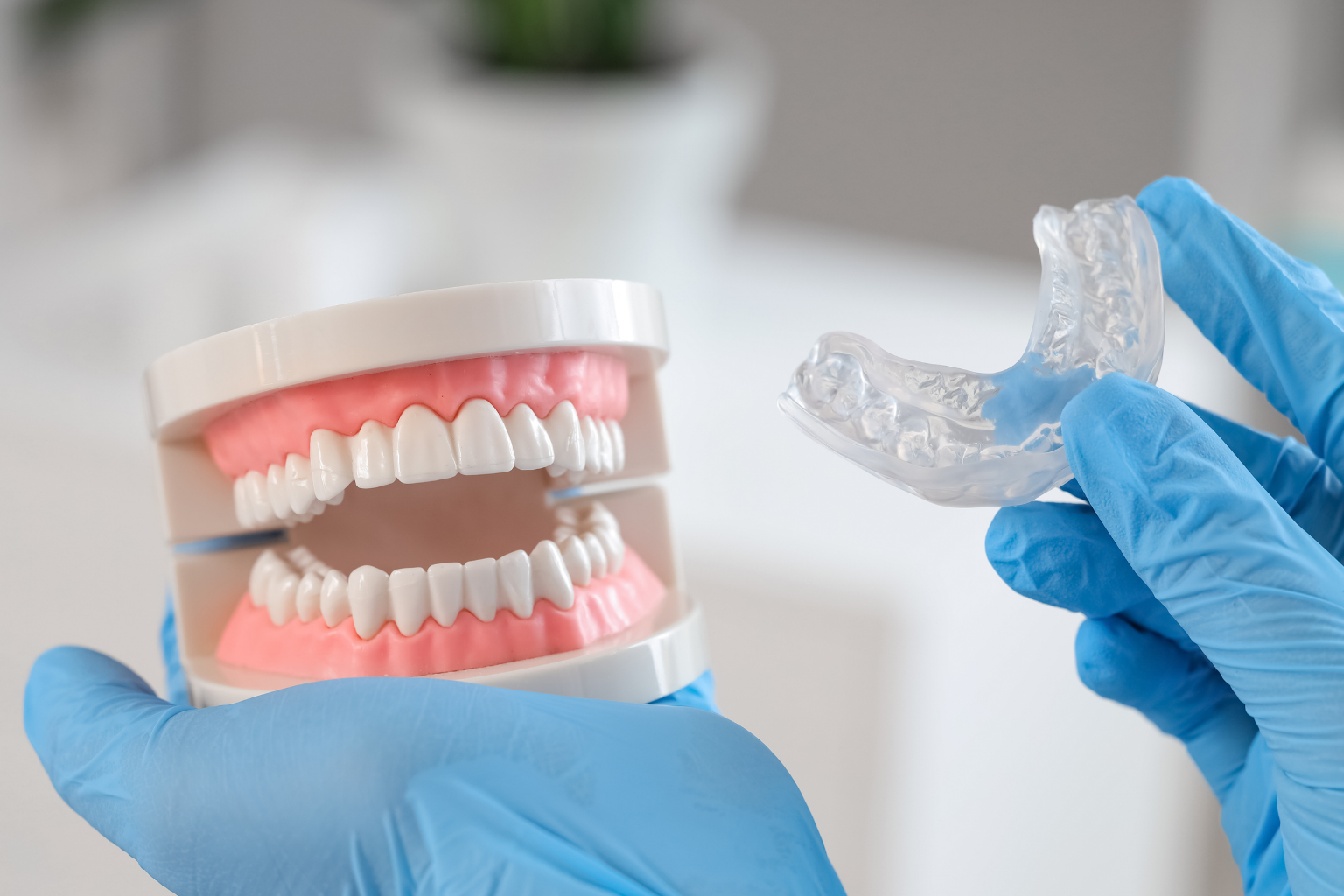
Conservative therapy does not involve surgery. Depending on the treatment plan, it may involve behavioral changes, exercises, physical therapy, oral appliances, medication recommendations, or other non-invasive approaches.
Treatment Can Be Individualized
There is no single treatment that works for every person with TMD.
A patient with primarily muscle-related pain may require a different approach than someone experiencing problems involving the jaw joint.
The goal is to match treatment to the individual rather than treating every TMJ patient the same way.
It Can Address Contributing Factors
Successful TMJ care isn't always about simply masking pain.
In appropriate cases, conservative treatment can focus on factors that may be contributing to jaw strain, muscle tension, or dysfunctional jaw movement.
Does Conservative TMJ Treatment Really Work?
The answer depends on the underlying condition.
TMD encompasses a wide range of disorders, so there isn't one universal treatment or guaranteed outcome.
However, many patients can benefit from conservative approaches, and these treatments are often considered before more invasive options.
The goal isn't necessarily to find the most aggressive treatment available. The goal is to identify the most appropriate treatment for your particular condition.
That distinction is important.
When Should You See a TMJ Specialist?
Consider an evaluation if you're experiencing:
- Persistent jaw pain
- Pain while chewing
- Jaw clicking or popping accompanied by discomfort
- Difficulty opening or closing your mouth
- Jaw locking
- Facial pain
- Temple or jaw-related headaches
- Jaw muscle tenderness
- Changes in how your teeth come together
- Symptoms that are interfering with eating, speaking, sleeping, or everyday activities
You don't have to wait until your symptoms become severe before seeking an evaluation.
A TMJ Specialist can help determine whether your symptoms are consistent with TMD and whether conservative treatment may be appropriate.
Why Choose an Orofacial Pain and TMJ Specialist?
When searching for “conservative therapy for TMJ near me,” it's worth considering the training and specialty of the provider you're seeing.
Dr. Jared Bloxham is an Orofacial Pain Specialist and TMJ Specialist at Columbia Center for Sleep Apnea & TMJ.
Orofacial pain specialists receive advanced training in conditions involving the jaw, facial muscles, temporomandibular joints, mouth, face, and related areas.
This specialized perspective can be particularly valuable when symptoms are persistent, complex, or difficult to pinpoint.
At Columbia Center for Sleep Apnea & TMJ, our goal is to understand why you are experiencing pain or dysfunction and determine which treatment options make sense for your individual situation.
Is TMJ Surgery Always Necessary?
No.
The need for surgery depends entirely on the specific diagnosis and circumstances.
Many patients with TMD can be managed with conservative treatment. Surgery is generally not the first step for every person experiencing jaw pain.
If an invasive treatment is ever being considered, patients should understand the diagnosis, the goals of the procedure, potential risks and benefits, and the alternatives available to them.
Starting with an appropriate conservative evaluation can help ensure that treatment decisions are based on your individual condition rather than simply treating a symptom.
Our Approach to Conservative TMJ Therapy
At Columbia Center for Sleep Apnea & TMJ, we believe that effective TMJ care begins with understanding the patient.
Dr. Jared Bloxham, Orofacial Pain Specialist and TMJ Specialist, evaluates the individual factors that may be contributing to your symptoms before developing a treatment approach.
For appropriate patients, conservative care may include a combination of education, behavioral recommendations, physical therapy coordination, oral appliance therapy, and other non-surgical treatment options.
Our goal is to provide thoughtful, individualized care while avoiding unnecessary treatment.
Frequently Asked Questions About Conservative TMJ Therapy
What is the best conservative treatment for TMJ?
There isn't one “best” treatment for every TMJ disorder. The appropriate treatment depends on the underlying condition and the patient's symptoms. Conservative options may include self-care, behavioral changes, physical therapy, oral appliances, and other therapies.
Can TMJ be treated without surgery?
Yes. Many TMD conditions can be managed with non-surgical, conservative treatment. Whether conservative therapy is appropriate depends on the individual's diagnosis.
How long does conservative TMJ treatment take?
There is no universal timeline. Some patients may notice improvement relatively quickly, while others with more persistent or complex symptoms may require longer-term management and follow-up.
Should I see a dentist or a TMJ specialist?
If you have persistent jaw pain or other symptoms associated with TMD, an Orofacial Pain Specialist or TMJ Specialist can provide specialized evaluation of the jaw joints, chewing muscles, and related structures.
Looking for Conservative Therapy for TMJ?
If you've been searching for “conservative therapy for TMJ,” “non-surgical TMJ treatment,” “TMJ specialist near me,” or “TMJ treatment near me,” the first step is getting an accurate evaluation.
At Columbia Center for Sleep Apnea & TMJ, Dr. Jared Bloxham is an Orofacial Pain Specialist and TMJ Specialist focused on helping patients understand their jaw and facial pain and explore appropriate treatment options.
If you're dealing with ongoing jaw pain, clicking, popping, headaches, facial pain, or difficulty using your jaw comfortably, contact Columbia Center for Sleep Apnea & TMJ to schedule an evaluation.
Conservative care. Specialized expertise. A treatment plan built around your individual needs.