
TMJ Specialist in Richland, WA: Specialized TMJ & Orofacial Pain Care

If you are searching for a TMJ specialist near me, TMJ doctor in Richland, or specialized treatment for jaw pain in the Tri-Cities, finding the right provider can make an important difference.


At Columbia Center for Sleep Apnea and TMJ, TMJ disorders and jaw-related pain are a central focus of our practice. Patients throughout Richland, Kennewick, Pasco, and Eastern Washington come to our office when they need specialized evaluation and treatment for temporomandibular disorders (TMD), jaw pain, facial pain, and related conditions.


Our practice is led by Dr. Jared Bloxham, DDS, MS, a retired dentist who now specializes in Orofacial Pain.


Rather than providing general dental care, Dr. Bloxham's practice is focused on conditions involving the jaw joints, jaw and facial muscles, nerves, headaches, and other complex orofacial pain conditions.


What Is a TMJ Specialist?


“TMJ” stands for temporomandibular joint, the pair of joints that connect your lower jaw to your skull.


These joints work together with your muscles, teeth, ligaments, and nervous system every time you chew, speak, swallow, yawn, or move your jaw.


When this system isn't functioning properly, patients may develop temporomandibular disorders (TMD).


A TMJ specialist with advanced training in Orofacial Pain evaluates the entire system rather than looking only at the jaw joint.

That can include the:


  • Temporomandibular joints
  • Jaw muscles
  • Facial muscles
  • Teeth and bite
  • Head and neck muscles
  • Trigeminal nerve system
  • Jaw movement and function
  • Related headache and pain patterns


This broader perspective is important because jaw pain does not always originate inside the jaw joint itself.


Why Patients Seek Out a TMJ Specialist


Many people begin searching for a TMJ specialist near me after experiencing symptoms that won't go away.


Common symptoms of TMD can include:


  • Jaw pain
  • Jaw clicking or popping
  • Jaw locking
  • Difficulty opening your mouth
  • Pain when chewing
  • Facial pain
  • Temple pain
  • Headaches
  • Jaw muscle tension
  • Ear-area pain or pressure
  • Neck tension
  • Jaw fatigue
  • Morning jaw soreness
  • Clenching or grinding


Some patients have been dealing with these symptoms for weeks or months. Others have experienced pain for years and have already tried multiple treatments without finding lasting improvement.


When symptoms persist, a specialized evaluation can help determine what may actually be contributing to the problem.


Meet Dr. Jared Bloxham, DDS, MS


Dr. Jared Bloxham began his career as a general dentist. After years of practicing dentistry, he eventually retired from general dentistry and redirected his career toward the specialty of Orofacial Pain.


Following his retirement from general dentistry, Dr. Bloxham completed an additional three years of post-doctoral specialty training through the University of Southern California's Master of Orofacial Pain and Oral Medicine program. Today, his practice is focused on diagnosing and managing complex pain and dysfunction involving the jaw, face, head, and related structures.


His areas of treatment include TMJ/TMD, myofascial pain, atypical tooth pain, trigeminal nerve disorders, neurovascular and neuropathic pain, headaches, and other orofacial pain conditions. 


TMJ Is a Major Focus of Our Practice

That means patients are not coming into a general dental office where TMJ treatment is simply one service among hundreds.


Orofacial Pain is the focus of our practice.

This allows Dr. Bloxham to concentrate on patients dealing with complex jaw, muscle, joint, nerve, and facial pain problems.

Our existing patient population includes people seeking help for symptoms such as jaw pain, headaches, facial pain, muscle tension, clicking and popping, jaw dysfunction, and other 


TMJ Pain Isn't Always a Joint Problem

One of the most important things to understand about TMJ disorders is that not all jaw pain comes from the joint itself.

The muscles surrounding the jaw can become painful and overactive.


The nervous system can contribute to or amplify pain.


Headaches can occur alongside jaw and muscle problems.


Clenching and grinding may contribute to muscle overload.


And in some patients, multiple factors may be involved at the same time.


This is why simply treating a painful joint or prescribing the same appliance to every patient isn't always appropriate.


A comprehensive TMJ evaluation considers the joints, muscles, nerves, teeth, jaw function, and overall pain pattern.


What Does a TMJ Evaluation Look Like?


At Columbia Center for Sleep Apnea and TMJ, your first visit is designed to give Dr. Bloxham enough information to understand your specific condition.


Because Orofacial Pain can involve multiple contributing factors, the initial evaluation may be more extensive than a typical dental appointment.


Dr. Bloxham may evaluate:


  • Your jaw joints
  • Jaw and facial muscles
  • Jaw range of motion
  • How your jaw moves
  • Your bite and dental history
  • Areas of muscle tenderness
  • Headache patterns
  • Clenching and grinding habits
  • Previous TMJ treatments
  • Relevant medical history
  • Previous imaging or diagnostic testing


Your symptoms and history are important pieces of the diagnostic process.


The goal is to determine what is actually happening rather than assuming every jaw problem is the same.


Conservative TMJ Treatment


Whenever appropriate, our approach begins with conservative treatment.


Not every patient needs an appliance, injection, medication, or invasive procedure.


Depending on your individual diagnosis and symptoms, treatment may include:


Custom Oral Orthotics

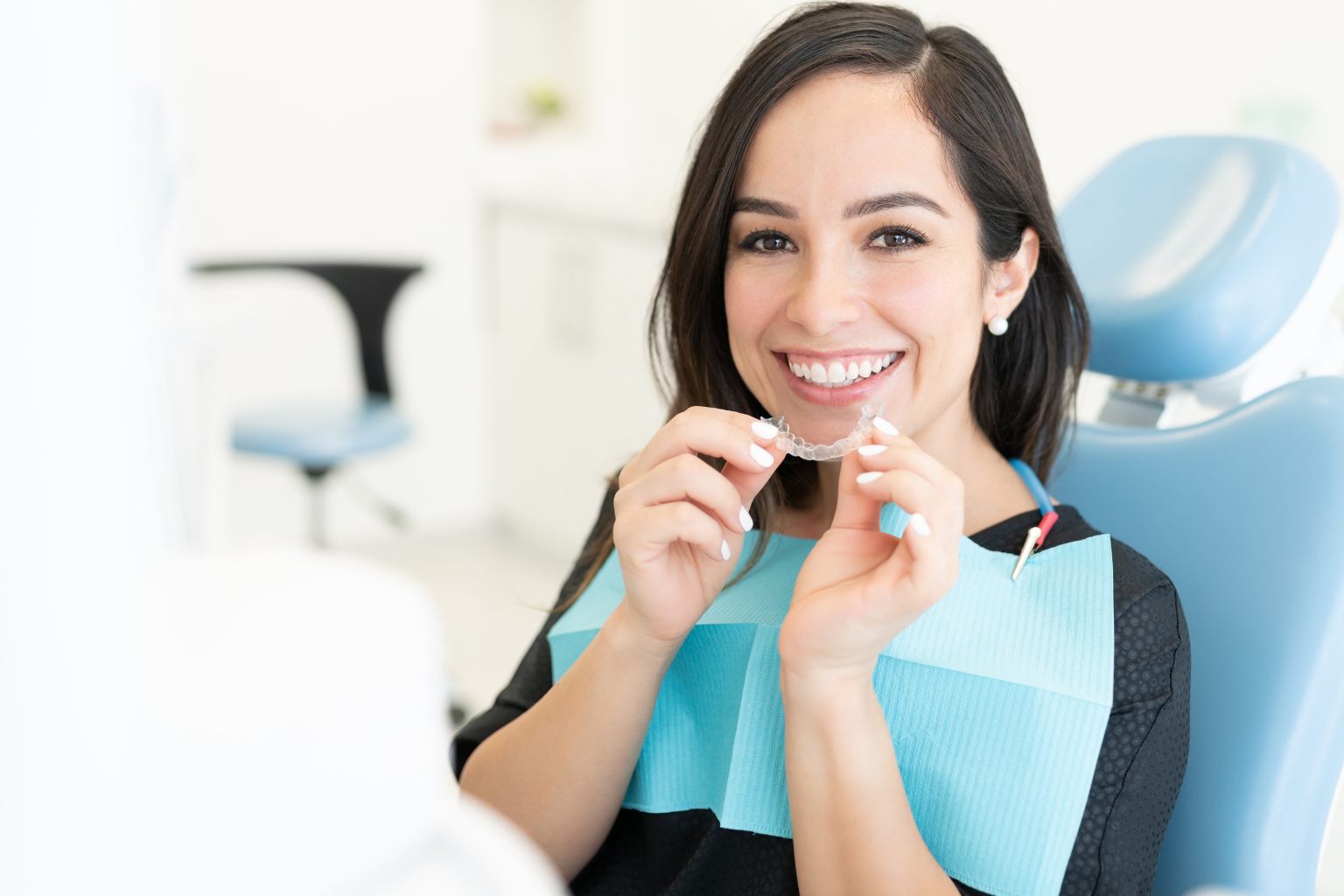
For selected patients, Dr. Bloxham may recommend a custom-fabricated oral orthotic.


These appliances are designed specifically for the individual patient and may be used to help stabilize the jaw, manage certain symptoms, or protect the teeth and supporting structures.


An oral orthotic is not automatically appropriate for every person with TMJ symptoms. Its design and purpose depend on the patient's specific condition.


Therapeutic Exercises

Some patients benefit from specific exercises designed to improve jaw movement, muscle coordination, mobility, or relaxation.

Home therapy can be an important part of conservative TMJ treatment.


Trigger Point Injections

When muscle pain and trigger points are contributing to symptoms, trigger point injections may be considered.


These injections can be used as part of a broader treatment plan for painful jaw and facial muscles.


Lifestyle & Behavioral Changes

Jaw pain can sometimes be influenced by everyday habits.


Treatment may include recommendations regarding:


  • Clenching
  • Grinding
  • Chewing habits
  • Jaw positioning
  • Stress-related muscle tension
  • Sleep
  • Daily activities
  • Other behaviors that may contribute to muscle overuse


Further Evaluation

Sometimes the best next step isn't another TMJ treatment.


If symptoms suggest another underlying condition, additional testing, imaging, or coordination with another healthcare professional may be appropriate.


Our goal is to make sure the treatment matches the problem.


Does TMJ Treatment Always Require an Appliance?


No.


This is an important distinction.


Some patients may benefit from a custom oral orthotic. Others may benefit more from exercises, behavioral modifications, trigger point treatment, medication management, additional evaluation, or a combination of approaches.


The appropriate treatment depends on the patient's diagnosis and individual circumstances.


At Columbia Center for Sleep Apnea and TMJ, we evaluate first and then determine whether an appliance or another form of treatment makes sense.


Why Specialized TMJ Care Matters


Searching for a “TMJ dentist near me” can produce a long list of general dental offices.


But TMJ disorders can be complicated.


A patient experiencing jaw pain may actually be dealing with:


  • Joint inflammation or dysfunction
  • Myofascial pain
  • Muscle overuse
  • Clenching or grinding
  • A headache disorder
  • Neuropathic pain
  • Nerve-related symptoms
  • A combination of several conditions


Advanced training in Orofacial Pain provides a framework for evaluating these different possibilities.


Dr. Bloxham's practice is specifically focused on these types of conditions rather than general dentistry. His professional training includes a three-year post-doctoral program in Orofacial Pain and Oral Medicine at USC.


A TMJ Specialist for the Tri-Cities


Columbia Center for Sleep Apnea and TMJ is located in Richland, Washington, making specialized TMJ and Orofacial Pain care accessible to patients throughout the Tri-Cities.


We see patients from:

  • Richland
  • Kennewick
  • Pasco
  • West Richland
  • Benton City
  • Moses Lake
  • Ephrata
  • Walla Walla
  • Yakima
  • Hermiston
  • Surrounding Eastern Washington communities


Patients travel to our office when they are looking for specialized care for TMJ disorders, jaw pain, facial pain, headaches, and other Orofacial Pain conditions. 


Searching for a TMJ Specialist Near Me?


If you've been searching for:

“TMJ specialist near me”

“TMJ doctor near me”

“TMJ specialist Richland WA”

“TMJ treatment Kennewick WA”

“TMJ specialist Pasco WA”

or “Orofacial Pain specialist near me,”


Columbia Center for Sleep Apnea and TMJ provides specialized care right here in the Tri-Cities.


Dr. Jared Bloxham, DDS, MS, has dedicated his current practice to Orofacial Pain, with TMJ and TMD conditions representing a major focus of the patients he treats.


Our goal is not to assume that every patient needs the same treatment.


Our goal is to understand your pain, identify the factors contributing to your symptoms, and develop an individualized treatment plan.


Columbia Center for Sleep Apnea and TMJ

Dr. Jared Bloxham, DDS, MS
Orofacial Pain Specialist

1363 Columbia Park Trail, Suite 101
Richland, WA 99352

(509) 581-4456


Serving Richland, Kennewick, Pasco, the Tri-Cities, and surrounding Eastern Washington communities.

If jaw pain, headaches, facial pain, clicking, popping, or difficulty moving your jaw is affecting your life, contact Columbia Center for Sleep Apnea and TMJ to schedule an evaluation with Dr. Bloxham.

October 19, 2026
Are you struggling with frequent headaches, recurring migraines, or persistent pain that interferes with your everyday life? Have you tried different treatments but still feel like you haven't found the answers you need? You are not alone. Headaches can have many different causes, and finding the right approach starts with understanding what may be contributing to your symptoms. At Columbia Center for Sleep Apnea & TMJ , Dr. Jared Bloxham, our orofacial pain specialist, helps patients experiencing headaches, facial pain, and related conditions explore potential causes and appropriate treatment options. Through comprehensive evaluations, targeted examinations, and individualized treatment planning, our goal is to help patients better understand their symptoms and find ways to manage their pain. Located in the Tri-Cities, Washington, we welcome patients from Kennewick, Pasco, Richland, Benton City, Ephrata, Moses Lake, and surrounding communities throughout Eastern Washington. If recurring headaches or migraines are affecting your quality of life, specialized evaluation may be an important next step. When Headaches Keep Coming Back, It's Time to Look Deeper Occasional headaches happen to many people. However, when headaches become frequent, severe, or difficult to manage, they can affect nearly every part of daily life. You may find yourself missing work, struggling to concentrate, avoiding social activities, or worrying about when the next headache will occur. Headaches are not all the same. Migraine, tension-type headaches, and other headache disorders can have different symptoms and underlying mechanisms. In some cases, jaw disorders, muscle tenderness, or other orofacial pain conditions may contribute to head pain. Understanding the type of headache you are experiencing is an important part of choosing an appropriate treatment plan. At Columbia Center for Sleep Apnea & TMJ, we take a comprehensive approach to evaluating patients who are experiencing persistent or undiagnosed headaches. Rather than assuming every headache has the same cause, Dr. Bloxham evaluates the patient's symptoms and relevant clinical findings to help determine what may be contributing to their discomfort. Could Your Headaches Be Related to Your Facial Muscles? Many people are surprised to learn that the jaw, surrounding muscles, and head and neck structures can play a role in certain types of head and facial pain. The temporomandibular joints, commonly called TMJs, connect the lower jaw to the skull. Problems involving these joints or the muscles responsible for chewing can sometimes contribute to pain around the temples, face, and head. For some patients, symptoms may include: Pain or tenderness around the temples Jaw soreness or tightness Clicking or popping in the jaw Facial muscle tenderness Headaches associated with jaw movement or clenching Discomfort that occurs alongside other TMJ symptoms These symptoms do not automatically mean that a TMJ disorder is causing your headaches. Migraine and other headache disorders can occur independently of jaw problems, and multiple conditions may coexist. A thorough evaluation can help identify whether orofacial pain or a temporomandibular disorder may be contributing to your symptoms and whether targeted treatment could be appropriate. Comprehensive Headache Evaluations: Understanding Your Symptoms When headaches are recurring or difficult to manage, identifying the pattern of your symptoms can provide important information. At Columbia Center for Sleep Apnea & TMJ, Dr. Jared Bloxham takes an individualized approach to evaluating patients with headache and orofacial pain concerns. Depending on your symptoms and medical history, an evaluation may include: A detailed symptom history Understanding when your headaches started, how often they occur, where you feel the pain, how long episodes last, and what seems to trigger or relieve them can help guide the evaluation. A review of your medical history Previous diagnoses, medications, existing health conditions, and treatments you have tried can all be relevant when determining appropriate next steps. A clinical examination When indicated, an examination may assess the jaw joints, chewing muscles, facial structures, and other areas relevant to your symptoms. An individualized assessment and treatment plan Your findings help guide recommendations, which may include medication management, targeted muscle treatments, conservative approaches, or referral to another medical specialist when necessary. Not every headache originates from the jaw or facial muscles. When symptoms suggest another type of headache or a condition outside our specialty, appropriate medical evaluation or referral may be needed. Our priority is to help you better understand your symptoms and identify the most appropriate path forward. Headache and Migraine Treatment Options There is no single treatment that works for every person experiencing headaches or migraines. The right approach depends on the type of headache, symptom frequency, medical history, contributing factors, and individual needs. Depending on the evaluation findings, treatment options may include the following. 1. Medication Management Medication may be an important part of managing certain headache disorders. Depending on the diagnosis, treatment may involve medications used to address symptoms during a headache episode or preventive medications intended to reduce the frequency or severity of attacks. Medication selection requires consideration of your medical history, current prescriptions, possible side effects, and other health factors. For some patients, medication management may be an appropriate component of care. For others, additional evaluation or a different treatment approach may be more suitable. 2. Trigger Point Injections for Muscle-Related Pain When examination findings suggest that specific muscle trigger points are contributing to a patient's pain, trigger point injections may be considered as part of an individualized treatment plan. Trigger points are sensitive areas within muscles that may be associated with localized tenderness or referred pain. In selected patients, an injection into an identified trigger point may help reduce muscle-related discomfort and improve function. Trigger point injections are not appropriate for every headache or migraine, and their potential benefits depend on the underlying condition. They should be considered only after an appropriate evaluation and discussion of the potential benefits, risks, and alternatives. For patients whose headaches are associated with muscle tenderness or certain orofacial pain conditions, this may be one option worth discussing with a qualified provider. 3. Treatment for Contributing TMJ or Orofacial Pain Conditions If your evaluation identifies a temporomandibular disorder or another orofacial pain condition that may be contributing to your symptoms, treatment may focus on that specific problem. Depending on the diagnosis, options may include conservative jaw care, strategies to reduce excessive muscle strain, and other targeted treatments. Addressing a contributing jaw or muscle condition may help some patients manage associated pain, although it will not necessarily resolve a separate migraine or headache disorder. 4. A Personalized Approach to Long-Term Management For many patients, headache management involves more than one strategy. Treatment may require follow-up appointments, adjustments to medications or other interventions, and coordination with other healthcare providers. Our goal is to help you understand your options and develop a plan that reflects your individual symptoms and needs. When Should You Seek Help for Recurring Headaches? Consider seeking a professional evaluation if you experience headaches that: Occur frequently or are becoming more severe Interfere with work, sleep, or daily activities Do not improve with your current treatment approach Occur alongside jaw pain, facial discomfort, or muscle tenderness Require frequent use of pain-relieving medication Have changed in pattern or are becoming increasingly difficult to manage Important: Seek emergency medical care for a sudden, extremely severe headache, a headache accompanied by new weakness, confusion, fainting, difficulty speaking, or other new neurological symptoms, or a severe headache with fever and a stiff neck. A new or unusual headache may require prompt medical assessment rather than a routine specialty appointment. Headache Treatment Serving Kennewick, Pasco, Richland, and Eastern Washington Finding a provider who evaluates complex headache and orofacial pain concerns can be challenging, particularly when you have already tried different approaches without satisfactory results. Columbia Center for Sleep Apnea & TMJ is located in the Tri-Cities and welcomes patients from surrounding Eastern Washington communities who are seeking evaluation for recurring headaches, facial pain, and TMJ-related concerns. Our regional service area includes patients from: Kennewick, WA: Specialized evaluation for patients experiencing recurring headaches and related orofacial pain symptoms. Pasco, WA: An option for patients seeking a more comprehensive assessment of persistent head and facial pain. Richland, WA: Care for patients exploring potential connections between jaw symptoms, muscle pain, and headaches. Benton City, WA: Regional access to evaluation for persistent headache and orofacial pain concerns. Ephrata, WA: An option for patients willing to travel for specialized evaluation. Moses Lake, WA: A resource for patients seeking guidance about recurring headaches, facial discomfort, and possible TMJ-related symptoms. We understand that living with recurring headaches can be frustrating, especially when you are still trying to determine what is causing them. If you live outside the immediate Tri-Cities area, contact our office to discuss scheduling and whether an evaluation with Dr. Bloxham may be appropriate for your concerns. Why Choose Columbia Center for Sleep Apnea & TMJ? At Columbia Center for Sleep Apnea & TMJ, Dr. Jared Bloxham focuses on orofacial pain and related conditions that can affect a patient's comfort and quality of life. Our approach emphasizes understanding your symptoms, performing an appropriate evaluation, and considering treatment options based on your individual needs. Depending on your diagnosis, care may involve medication management, trigger point injections for selected muscle-related conditions, or treatment directed toward an identified TMJ or orofacial pain problem. We also recognize that headaches can have complex causes. When symptoms require care beyond our scope of practice, collaboration with or referral to the appropriate healthcare professional is an important part of responsible patient care. You deserve to have your concerns taken seriously and your treatment options explained clearly. Take the Next Step Toward Understanding Your Headaches If recurring headaches or migraines are affecting your daily life, you do not have to keep guessing about what might be contributing to your discomfort. At Columbia Center for Sleep Apnea & TMJ, Dr. Jared Bloxham helps patients explore possible causes of head and facial pain through comprehensive evaluations and individualized treatment planning. Whether you are experiencing persistent headaches, muscle-related facial pain, or symptoms that may be associated with a TMJ disorder, our team can help you learn more about your evaluation and treatment options. Serving the Tri-Cities, including Kennewick, Pasco, and Richland, as well as Benton City, Ephrata, Moses Lake, and surrounding Eastern Washington communities. Contact Columbia Center for Sleep Apnea & TMJ to learn more about scheduling an evaluation with Dr. Jared Bloxham. Your first step toward better headache management begins with understanding the problem.
October 16, 2026
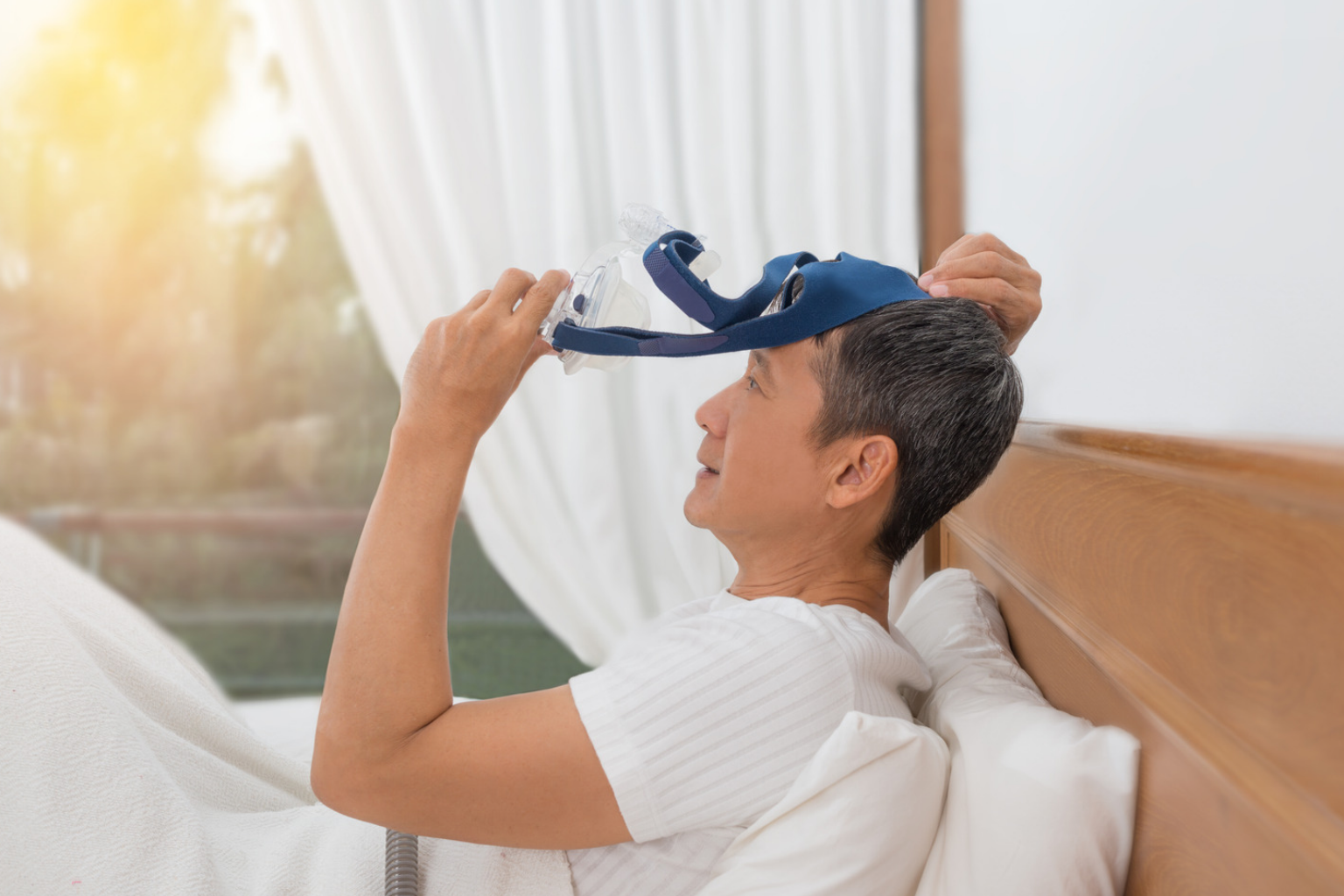
Struggling With CPAP? You May Have Another Option You know you need to treat your sleep apnea. You've been diagnosed, you've tried using your CPAP machine, and you understand why treatment matters. But there's one problem: you just don't like using it. Maybe the mask feels uncomfortable. Maybe the tubing gets in the way when you sleep. Perhaps traveling with your equipment is a hassle, or you find yourself waking up in the middle of the night wanting to take everything off. If any of this sounds familiar, you're not alone. Many people diagnosed with obstructive sleep apnea struggle to adjust to CPAP therapy. While CPAP remains a highly effective treatment, it isn't always the easiest option for every patient's lifestyle. The good news? A custom oral appliance may offer another way to manage obstructive sleep apnea. At Columbia Center for Sleep Apnea & TMJ, we help patients throughout Kennewick, Richland, Pasco, and the surrounding Tri-Cities region explore oral appliance therapy when appropriate. If CPAP hasn't been working well for you, here's what you should know. 1. You Don't Have to Sleep With a Mask and Hose For some CPAP users, the biggest challenge is simply getting comfortable. Sleeping with a mask on your face and tubing connected to a machine can take some getting used to. Some people experience mask leaks, facial irritation, feelings of claustrophobia, or difficulty finding a comfortable sleeping position. An oral appliance takes a different approach. This custom-fitted dental device fits inside your mouth and is designed to gently position your lower jaw forward to help keep your airway open during sleep. There is no external mask to wear and no air hose running from your bedside. For people who struggle with CPAP equipment, this different approach may make nighttime treatment easier to incorporate into their routine. 2. Oral Appliances Don't Require Electricity Imagine getting ready for bed without setting up a machine, connecting tubing, or checking a power supply. Traditional oral appliances used for obstructive sleep apnea don't require electricity. They're compact, portable devices designed to be worn while you sleep. This can be especially convenient if you: Travel frequently for work or vacation. Enjoy camping or spending time outdoors. Want to pack less equipment when you leave home. Prefer a simpler bedtime routine. Whether you're staying in a hotel, visiting family, or heading out for a weekend adventure, an oral appliance can be easier to transport than a CPAP setup. For many patients in the Tri-Cities and throughout Eastern Washington, convenience is an important consideration when choosing a treatment they can use consistently. 3. They're Small, Portable, and Easy to Pack Traveling with CPAP often means bringing your machine, mask, tubing, power supply, and accessories. An oral appliance is much smaller and typically fits into a protective storage case. If you're frequently on the road between Kennewick, Richland, Pasco, Moses Lake, Ephrata, or other Eastern Washington communities, having a compact treatment option may be appealing. The same goes for vacations, business trips, and overnight stays away from home. Of course, convenience is only one part of the decision. Your treatment must also adequately control your sleep apnea. A qualified provider can help determine whether oral appliance therapy is an appropriate option for you. 4. You May Be Able to Find a Treatment That Fits Your Lifestyle Better One of the most important parts of sleep apnea treatment is finding an option that you can use consistently and that effectively controls your condition. If you regularly remove your CPAP mask during the night, skip treatment because you dislike the equipment, or struggle to use it when traveling, it may be time to discuss your concerns with your healthcare provider. Depending on your situation, there may be several ways to improve your treatment experience, including adjusting your CPAP equipment or considering an alternative. For appropriately selected adults with obstructive sleep apnea, oral appliance therapy can be an effective alternative. It is particularly worth discussing if you cannot tolerate CPAP or prefer another treatment option. An oral appliance isn't guaranteed to work for everyone, and CPAP generally provides better control of sleep apnea. The goal is to find a treatment that is both effective and manageable for your individual needs. 5. You Can Explore Your Options Without Ignoring Your Diagnosis Being diagnosed with sleep apnea can feel overwhelming, especially if the treatment you were prescribed doesn't fit comfortably into your life. You might wonder whether you're stuck with your CPAP machine forever or whether there is another way to approach your care. The important thing to remember is that you have options worth discussing with qualified healthcare professionals. At Columbia Center for Sleep Apnea & TMJ, we help patients learn about oral appliance therapy and determine whether it may be appropriate for their circumstances. Your evaluation may include a review of your sleep apnea diagnosis, dental health, jaw function, and treatment history. If an oral appliance is recommended, follow-up care and appropriate sleep testing help determine whether it is effectively managing your condition. Never stop using CPAP or switch treatments without consulting your healthcare provider. Untreated sleep apnea can have serious health consequences, and an alternative treatment should be verified as effective. Who Should Consider an Oral Appliance for Sleep Apnea? You may want to ask about oral appliance therapy if you: Have already been diagnosed with obstructive sleep apnea. Find CPAP uncomfortable or difficult to tolerate. Prefer not to sleep with a mask and tubing. Want a smaller, travel-friendly treatment option. Are interested in learning about alternatives to traditional CPAP therapy. Oral appliances are often recommended for mild to moderate obstructive sleep apnea, but some patients with more severe cases may also be candidates. Your suitability depends on several factors, including your sleep study results, dental health, jaw function, and individual medical needs. If you suspect you have sleep apnea but haven't been diagnosed, speak with a healthcare professional about an appropriate evaluation before pursuing treatment. Looking for a CPAP Alternative in Kennewick, Richland, or Pasco? You don't have to figure out your sleep apnea treatment options alone. Columbia Center for Sleep Apnea & TMJ helps patients in the Tri-Cities and surrounding Eastern Washington communities explore oral appliance therapy as an alternative to CPAP when appropriate. Whether you're in Kennewick, Richland, Pasco, Benton City, Moses Lake, Ephrata, or a nearby community, learning about your options can be a helpful first step toward finding a treatment that fits your needs. Our goal is to help you understand how oral appliance therapy works, what to expect, and whether it may be a suitable option for your sleep apnea. Take the Next Step Toward a Better Night's Sleep If CPAP has become a source of frustration, don't simply give up on treating your sleep apnea. A different treatment approach may be worth exploring. Oral appliance therapy offers eligible patients a compact, electricity-free alternative that doesn't require a mask or external air hose. With proper evaluation and follow-up, it may be a practical option for people who struggle with traditional CPAP equipment. Ready to explore an alternative to CPAP? Contact Columbia Center for Sleep Apnea & TMJ to learn more about oral appliance therapy and find out whether it may be right for you. Serving Kennewick, Richland, Pasco, and surrounding Eastern Washington communities. Frequently Asked Questions What can I do if I hate using my CPAP machine? Start by discussing your concerns with your healthcare provider. Mask adjustments, humidification, or other changes may improve your experience. If you continue to struggle, ask whether a custom oral appliance or another treatment could be appropriate for you. Is an oral appliance a good alternative to CPAP? For many appropriately selected patients with obstructive sleep apnea, yes. Oral appliances can be effective, particularly for people who cannot tolerate CPAP or prefer an alternative. CPAP generally controls sleep apnea more effectively, so treatment choice and follow-up testing are important. Does an oral appliance need to be plugged in? No. Traditional oral appliances for obstructive sleep apnea do not require electricity, making them compact and convenient for travel. Can I use an oral appliance if I have severe sleep apnea? Some patients with severe obstructive sleep apnea may be candidates, especially if CPAP is not tolerated. However, an individualized evaluation is essential, and follow-up sleep testing is needed to confirm that the appliance adequately controls the condition. Where can I explore CPAP alternatives in the Tri-Cities? Columbia Center for Sleep Apnea & TMJ helps patients in Kennewick, Richland, Pasco, and nearby Eastern Washington communities explore oral appliance therapy. Contact the office to discuss your treatment options.
October 5, 2026
If you are searching for trigger point injections near me , you may be dealing with persistent muscle tension, jaw pain, headaches, migraines, facial pain, or stiffness that never seems to completely go away. At Columbia Center for Sleep Apnea and TMJ , trigger point injections are one of the tools we may use as part of a comprehensive approach to pain management and Orofacial Pain . Our practice is located in Richland, Washington, and serves patients throughout Richland, Kennewick, Pasco, the Tri-Cities, and surrounding Eastern Washington communities . Our doctor, Dr. Jared Bloxham, DDS, MS , is a retired dentist who now specializes in Orofacial Pain . His practice focuses on evaluating and managing pain involving the jaw, facial muscles, head, neck, and related structures. For appropriate patients, trigger point injections may help reduce painful muscle tension and provide an opportunity for other treatments—such as therapeutic exercises and lifestyle changes—to be more effective. What Is a Trigger Point? A trigger point is a particularly sensitive area within a muscle that can be associated with pain and tenderness. When pressure is applied to some trigger points, it may reproduce the patient's familiar pain. In certain circumstances, trigger points can also contribute to referred pain , meaning the discomfort is experienced somewhere other than the exact location of the irritated muscle. This can make muscle-related pain difficult to identify. For example, a patient may feel pain in the temple or around the face even though contributing muscle tension is located elsewhere. Trigger points can occur in muscles throughout the body. In Orofacial Pain, we are particularly interested in muscles involved in the jaw, face, head, and neck. What Are Trigger Point Injections? Trigger point injections are a procedure used to treat painful areas of muscle when they are contributing to a patient's symptoms. During the procedure, a small amount of medication may be injected directly into an identified trigger point or painful muscle area. The purpose is to help decrease pain and sensitivity in the targeted area. Trigger point injections are not appropriate for everyone, and the specific medication and technique used depend on the individual patient's circumstances. At Columbia Center for Sleep Apnea and TMJ, we consider injections as one component of a larger pain-management strategy , rather than automatically treating every patient with injections. How Can Trigger Point Injections Help? One of the challenges of chronic muscle pain is that a painful or overactive muscle can become part of a cycle. Muscle tension may contribute to pain. Pain can cause additional guarding or muscle activity. Increased muscle activity can then make the area feel even more tense and sensitive. When appropriate, reducing pain in a targeted area may help interrupt that cycle. For some patients, trigger point injections may: Reduce localized muscle pain Decrease tenderness in an irritated muscle Reduce muscle-related discomfort Make movement or therapeutic exercises more comfortable Help patients participate more effectively in other aspects of treatment Provide temporary symptom relief while contributing factors are addressed The response varies from patient to patient. The goal is not simply to make a painful area numb or temporarily eliminate symptoms. We want to understand why the muscle is becoming painful or tense in the first place . Trigger Point Injections for Jaw & Facial Pain The muscles responsible for chewing and jaw movement can become painful or overactive for a variety of reasons. Patients may experience: Jaw muscle soreness Facial tension Temple pain Pain while chewing Jaw fatigue Tenderness around the cheeks or temples Pain associated with clenching Muscle-related headaches Pain that extends into the neck When muscle-related pain is identified as a significant contributor, trigger point treatment may be considered. Because the muscles of the jaw, face, head, and neck work together, evaluating the overall pattern of symptoms is important. Can Trigger Point Injections Help Headaches or Migraines? Some headaches can have a significant muscular component. Muscle tension in the jaw, temples, neck, and surrounding areas may contribute to headache symptoms in certain patients. Treating contributing muscle pain may therefore be helpful in appropriately selected cases. However, not every headache or migraine is caused by muscle tension . Migraine is a neurological condition with its own diagnostic criteria and treatment approaches. Trigger point injections should not be viewed as a universal treatment for migraines. Instead, when a patient's headache pattern suggests that muscular pain or trigger points may be contributing to their symptoms, addressing those factors may be one part of an individualized treatment plan. Trigger Point Injections for Constant Muscle Tension Some patients describe their symptoms less as “pain” and more as constant tightness, tension, stiffness, or pressure . They may feel as though their jaw, neck, shoulders, or facial muscles never fully relax. There can be many reasons for persistent muscle tension, including stress, repetitive muscle activity, clenching, posture, sleep, previous injury, and other physical or neurological factors. Trigger point injections may help reduce symptoms when specific muscles or trigger points are contributing to the problem. But an injection does not necessarily address the reason the muscle became tense in the first place. That's why we may combine trigger point treatment with other strategies. Trigger Point Injections Are Only One Part of Treatment At Columbia Center for Sleep Apnea and TMJ, our approach to pain management is individualized. Depending on your symptoms and examination, treatment may include: Trigger point injections Therapeutic exercises Home-care recommendations Stretching and relaxation techniques Lifestyle modifications Addressing clenching or other contributing habits Jaw stabilization when appropriate Custom oral orthotic therapy when indicated Further evaluation Coordination with other healthcare professionals when appropriate The goal is to manage symptoms while looking for the factors that may be contributing to your pain . In some cases, reducing muscle pain with a trigger point injection can make it easier for a patient to participate in therapeutic exercises or other conservative treatments. Why See an Orofacial Pain Specialist? Orofacial Pain is a specialized area focused on conditions involving the jaw, mouth, face, head, and associated muscles and structures. Dr. Jared Bloxham, DDS, MS, is a retired dentist who now focuses his practice on Orofacial Pain . His specialized focus allows him to evaluate patients whose symptoms may involve multiple structures, including the jaw muscles, temporomandibular joints, facial muscles, and related areas. For patients experiencing persistent facial or jaw muscle pain, determining whether the pain is muscular, joint-related, neurological, or related to another condition is an important part of developing an appropriate treatment plan. What Happens During a Trigger Point Evaluation? Before recommending an injection, we first need to understand your symptoms. Your evaluation may include discussing: Where you feel pain How long you have experienced symptoms What makes your pain better or worse Whether your pain changes throughout the day Jaw habits such as clenching or grinding Headache patterns Muscle tenderness Jaw movement Relevant medical and dental history Dr. Bloxham then determines whether your symptoms are consistent with a condition that may benefit from trigger point treatment. Not every painful area is a trigger point, and not every patient needs an injection. Sometimes the best treatment is exercise, behavior modification, another conservative approach, additional evaluation, or simply education about what may be causing your symptoms. The Goal Isn't Just to Treat the Pain Pain relief matters. But for many patients, temporary relief is only part of the solution. Our broader goal is to understand the factors that may be contributing to your symptoms and help you develop strategies for managing them over time. Trigger point injections can sometimes provide a window of reduced pain that allows other treatments to be more comfortable or effective. That may include learning how to reduce unnecessary muscle activity, performing therapeutic exercises, changing certain daily habits, improving sleep-related behaviors, or addressing other contributing factors. Every patient is different, and treatment should be tailored accordingly. Trigger Point Injections in Richland, Kennewick & Pasco If you live in the Tri-Cities and are searching for trigger point injections near me , myofascial pain treatment near me , or an Orofacial Pain specialist near me , Columbia Center for Sleep Apnea and TMJ provides specialized pain-management care in Richland. We serve patients from: Richland, WA Kennewick, WA Pasco, WA West Richland, WA Benton City, WA Hermiston, OR Communities throughout Eastern Washington Our focus is on conditions involving the jaw, face, head, and associated muscles and structures. Could Trigger Point Injections Be Right for You? If you are experiencing persistent muscle tension, jaw or facial pain, headaches, muscle-related discomfort, or generalized stiffness, trigger point treatment may be one option worth discussing. However, the right treatment begins with the right evaluation . At Columbia Center for Sleep Apnea and TMJ, Dr. Bloxham evaluates your symptoms and considers whether trigger point injections are appropriate—or whether another treatment approach would better address your particular situation. Columbia Center for Sleep Apnea and TMJ Dr. Jared Bloxham, DDS, MS Orofacial Pain Richland, Washington Serving Richland, Kennewick, Pasco, the Tri-Cities, and surrounding Eastern Washington communities. If persistent muscle tension, jaw pain, facial pain, headaches, or stiffness are affecting your quality of life, contact Columbia Center for Sleep Apnea and TMJ to learn more about your Orofacial Pain evaluation and treatment options.
October 2, 2026
If you are searching for the best sleep apnea appliance , a sleep apnea clinic near me , or an alternative to CPAP in the Tri-Cities, you may have questions about how oral sleep apnea appliances actually work—and how they are made. At Columbia Center for Sleep Apnea and TMJ , we provide custom oral appliance therapy for appropriately selected patients with obstructive sleep apnea (OSA), particularly those who are unable to tolerate CPAP. Our practice is located in Richland, Washington , and serves patients throughout Richland, Kennewick, Pasco, and surrounding Eastern Washington communities . Our doctor, Dr. Jared Bloxham, DDS, MS , is a retired dentist who now specializes in Orofacial Pain . He personally evaluates patients and custom fabricates oral sleep appliances designed to gently position the lower jaw forward during sleep. What Is a Sleep Apnea Appliance? A sleep apnea appliance, also called a mandibular advancement device (MAD) or oral appliance , is a custom-fabricated dental device worn while sleeping. Unlike CPAP, which uses pressurized air delivered through a mask, an oral appliance works mechanically by influencing the position of the lower jaw. The appliance is designed to gently hold the lower jaw in a forward position while you sleep. This forward positioning can help increase the space behind the tongue and support the upper airway, reducing the tendency of the airway to collapse in appropriate patients. When the airway remains more stable and open, there can be fewer obstructive breathing events during sleep. For some patients, this can also result in less snoring . How Does Moving the Jaw Forward Help With Sleep Apnea? To understand how an oral appliance works, it helps to understand what happens during sleep. In obstructive sleep apnea, the muscles and soft tissues surrounding the upper airway can relax during sleep. In some people, the airway becomes narrowed or collapses, restricting airflow. When an oral appliance gently advances the lower jaw, it can change the position of the jaw and associated soft tissues. This may help increase the size and stability of the upper airway. The goal is not to force the jaw dramatically forward. Instead, a properly designed appliance uses controlled, gradual advancement to find a therapeutic position that balances airway benefit with comfort and jaw health. Every patient is different, which is one reason custom fabrication and follow-up are so important. How Are Sleep Apnea Appliances Made? A custom oral appliance is not simply a generic mouthguard. The process begins with evaluating the patient and determining whether oral appliance therapy is an appropriate treatment option. If you are a candidate, the appliance is custom fabricated based on your individual mouth, teeth, jaw, and treatment needs. 1. Patient Evaluation Before an appliance is made, Dr. Bloxham evaluates your oral and jaw health. This is an important step because oral appliance therapy changes the position of the lower jaw. Your teeth, bite, jaw joints, and muscles all need to be considered. Patients receiving oral appliance therapy should have an established diagnosis of obstructive sleep apnea from an appropriate medical or sleep professional. Our role is to provide oral appliance therapy for patients who have been appropriately diagnosed and are eligible for this form of treatment. 2. Creating the Custom Appliance Once a patient has been determined to be an appropriate candidate, measurements and records are used to create an appliance specifically for that patient. The device is designed to fit securely over the teeth and allow the lower jaw to be positioned forward in a controlled manner. 3. Gentle Jaw Advancement One of the most important features of a therapeutic sleep apnea appliance is its ability to adjust the position of the lower jaw . The goal is controlled advancement—not simply pushing the jaw as far forward as possible. The amount of advancement can be adjusted based on the patient's response, comfort, and therapeutic needs. This is sometimes referred to as titration . Titration allows the appliance to be adjusted over time to find an appropriate therapeutic position. 4. Follow-Up and Adjustment Getting the appliance is not necessarily the end of treatment. Follow-up is an important part of oral appliance therapy. Dr. Bloxham can evaluate how you are tolerating the appliance and make appropriate adjustments when necessary. Patients may also undergo follow-up sleep testing through their sleep physician or other medical provider to determine whether the appliance is effectively treating their obstructive sleep apnea. The goal is not simply to make an appliance that feels comfortable. The goal is to provide an appliance that is comfortable, appropriately positioned, and therapeutically effective for the individual patient. Can a Sleep Apnea Appliance Stop Snoring? Snoring and obstructive sleep apnea are closely related, but they are not the same condition. Snoring occurs when tissues in the upper airway vibrate as air moves through a narrowed airway. An oral appliance can help reduce airway narrowing in appropriate patients, which may reduce snoring. However, not everyone who snores has sleep apnea, and treating snoring is not the same as treating obstructive sleep apnea. If you suspect you have sleep apnea, proper medical evaluation and diagnosis are important. For patients who already have an OSA diagnosis and are appropriate candidates for oral appliance therapy, reducing airway obstruction can potentially reduce both apneas and snoring. Why Choose a Custom Sleep Apnea Appliance? If you search online for the best sleep apnea appliance , you will find countless devices that claim to help with snoring or sleep apnea. There is an important distinction between a generic product and a professionally provided oral appliance. A custom therapeutic appliance is designed around your individual anatomy and can be adjusted to achieve a therapeutic jaw position. This allows your provider to consider factors such as: Your dental anatomy Your bite Your jaw joints Your jaw muscles Your ability to tolerate mandibular advancement Your sleep apnea diagnosis Your response to treatment Store-bought mouthpieces generally cannot provide the same degree of individualized evaluation, fabrication, and professional adjustment. Oral Appliances vs. CPAP CPAP remains an important and highly effective treatment for obstructive sleep apnea. However, not everyone is able to tolerate CPAP comfortably or use it consistently. Oral appliance therapy can be an alternative for appropriately selected patients, particularly adults with OSA who are intolerant of CPAP. If you have already tried CPAP and struggle with the mask, pressure, equipment, or sleeping comfortably with the device, it may be worth discussing oral appliance therapy with your sleep physician and a qualified dental provider. Our office focuses on providing the dental component of sleep apnea treatment for
September 28, 2026
If you are searching for a “TMJ specialist near me” because of jaw pain, clicking, headaches, facial pain, or difficulty with jaw movement, you may be wondering whether surgery or extensive dental treatment is your only option. For many patients, it is not. At Columbia Center for Sleep Apnea and TMJ , we focus on conservative therapy for temporomandibular disorders (TMD) and other conditions affecting the jaw, muscles, and surrounding structures. Located in Richland, Washington, our practice serves patients throughout Richland, Kennewick, Pasco, the Tri-Cities, and surrounding Eastern Washington communities . Our doctor, Dr. Jared Bloxham, DDS, MS , is a retired dentist who now specializes exclusively in Orofacial Pain . His specialized training and focused practice allow him to evaluate complex jaw and facial pain conditions and develop individualized treatment plans designed to manage symptoms while preserving the natural function of the jaw whenever possible. What Is TMJ Dysfunction? The term TMJ refers to the temporomandibular joints—the two joints that connect your lower jaw to your skull. These joints work together with the muscles, ligaments, nerves, and other structures involved in chewing and jaw movement. When something interferes with this system, patients may develop what is commonly called TMJ dysfunction or TMD (temporomandibular disorder) . Symptoms can include: Jaw pain or tenderness Pain when chewing Clicking or popping of the jaw Difficulty opening or closing the mouth Jaw stiffness Facial pain Temple or headache pain Ear-area discomfort Jaw muscle fatigue Changes in the way the teeth come together Pain associated with clenching or grinding Not every clicking jaw requires treatment, and not every patient with jaw pain has the same underlying problem. That is why an individualized evaluation is important. What Is Conservative TMJ Therapy? Conservative TMJ therapy focuses on managing symptoms and improving jaw function without immediately turning to invasive procedures or irreversible changes to the teeth or jaw. The appropriate treatment depends on the individual patient and the specific type of TMD involved. At Columbia Center for Sleep Apnea and TMJ, conservative treatment may include approaches designed to reduce stress on the jaw, improve function, and allow irritated muscles and joints an opportunity to recover. One approach we may consider is stabilization of the jaw with a custom oral orthotic . Jaw Stabilization With a Custom Oral Orthotic For some patients, helping stabilize the jaw can be an important component of conservative TMJ treatment. At our office, we custom fabricate oral orthotics for appropriate patients. An oral orthotic is a customized device designed to fit your individual mouth and provide a specific therapeutic function. Depending on the patient's condition, an orthotic may be used to help influence jaw position, reduce excessive loading, protect the teeth, or provide a more stable environment for the jaw muscles and joints. This is different from simply purchasing a generic nightguard from a store. A custom orthotic is designed as part of an individualized treatment plan based on the patient's symptoms, examination, jaw function, and specific therapeutic goals. Why Jaw Stabilization May Help The jaw is a complex system involving the teeth, muscles, joints, and nervous system. When that system is irritated or functioning poorly, reducing excessive stress on certain structures may help decrease symptoms in appropriate patients. A stabilization orthotic may be considered when a patient's particular condition suggests that providing additional support or controlling certain aspects of jaw movement could be beneficial. However, oral orthotics are not appropriate for every patient with TMD . There is no universal TMJ appliance that works for everyone. The type of appliance, how it is used, and whether it should be used at all depend on the individual patient. Conservative Treatment Doesn't Mean Ignoring the Problem The word “conservative” can sometimes sound like it means doing nothing. That is not our approach. Conservative TMJ care is about choosing the least invasive treatment that is appropriate for the patient's condition while carefully monitoring symptoms and function. Depending on your needs, your treatment plan may include: Custom oral orthotic therapy Jaw stabilization Therapeutic exercises Home-care recommendations Behavioral and lifestyle modifications Management of muscle tension Trigger point treatment when appropriate Education about jaw habits and clenching Additional evaluation when necessary Referral or coordination with other healthcare professionals when appropriate The goal is to create a treatment plan based on your symptoms—not simply the presence of a clicking or painful jaw . Why See an Orofacial Pain Specialist for TMJ Problems? If you search for a “TMJ specialist near me,” you may encounter general dentists, oral surgeons, physical therapists, and other healthcare providers who treat different aspects of jaw disorders. Orofacial Pain is a specialized field focused on conditions involving the mouth, jaw, face, head, and associated muscles and structures. Dr. Jared Bloxham, DDS, MS, has transitioned from general dentistry into a practice focused on Orofacial Pain . This focused approach is particularly valuable for patients whose symptoms do not fit neatly into a single category. Jaw pain can involve the temporomandibular joints, muscles, teeth, nerves, cervical structures, headaches, or multiple contributing factors. An evaluation by a clinician specializing in Orofacial Pain can help determine which structures may be contributing to your symptoms and which treatment approaches are appropriate. We Don't Believe Every TMJ Problem Needs the Same Treatment One of the most important aspects of TMJ care is recognizing that TMD is not one single condition . Two people can both report “TMJ pain” while having very different underlying problems. One patient may primarily have muscle-related pain. Another may have a joint disorder. Another may have a combination of muscle and joint symptoms. In some cases, factors outside the jaw may also contribute to the patient's pain. Because of this, we do not believe in automatically prescribing the same appliance or treatment to every patient. Instead, Dr. Bloxham evaluates the individual situation and determines whether conservative treatment is appropriate and what form that treatment should take. Is Conservative TMJ Therapy Right for You? Conservative therapy may be appropriate for patients experiencing symptoms such as: Persistent jaw discomfort Jaw muscle tension Pain with chewing Jaw stiffness Facial pain Headaches associated with jaw symptoms Jaw clicking or popping accompanied by pain Difficulty with jaw movement Symptoms associated with clenching or grinding However, not every patient needs treatment , and not every patient is a candidate for an oral orthotic. A proper evaluation is the first step in determining what is happening and whether treatment is warranted. A Conservative Approach to TMJ Treatment in the Tri-Cities If you are looking for a TMJ specialist near me , a TMJ specialist in Richland WA , or information about conservative TMJ therapy , Columbia Center for Sleep Apnea and TMJ provides specialized Orofacial Pain care in the Tri-Cities. Our practice is conveniently located in Richland, Washington , and serves patients from: Richland Kennewick Pasco West Richland Benton City Hermiston and surrounding areas Communities throughout Eastern Washington Dr. Bloxham's practice is focused on Orofacial Pain, allowing our office to concentrate on complex conditions involving the jaw, facial muscles, TMJ, and related structures. Looking for a TMJ Specialist Near You? You do not necessarily need to start with an invasive procedure when you are experiencing TMJ symptoms. For many patients, a conservative approach can be an appropriate place to begin. At Columbia Center for Sleep Apnea and TMJ, our goal is to understand your symptoms, identify the structures and factors that may be contributing to your discomfort, and develop an individualized treatment plan. For appropriate patients, that may include custom-fabricated oral orthotic therapy to help stabilize the jaw , along with other conservative treatments and recommendations. If you are experiencing jaw pain, facial pain, muscle tension, or other symptoms associated with TMD and are looking for a TMJ specialist in the Richland, Kennewick, or Pasco area , contact Columbia Center for Sleep Apnea and TMJ to learn more about an Orofacial Pain evaluation. Columbia Center for Sleep Apnea and TMJ Dr. Jared Bloxham, DDS, MS Orofacial Pain Richland, Washington Serving patients throughout Richland, Kennewick, Pasco, the Tri-Cities, and Eastern Washington . When conservative TMJ treatment is appropriate, our goal is to help stabilize, protect, and manage the jaw without unnecessarily jumping to invasive treatment.
September 23, 2026
If you are searching for a myofascial pain specialist near me , dealing with persistent muscle tension, facial pain, jaw discomfort, headaches, or other forms of orofacial pain can be frustrating—especially when the source of your symptoms is difficult to identify. At Columbia Center for Sleep Apnea and TMJ , we provide specialized evaluation and pain management for patients experiencing myofascial pain and other orofacial pain conditions throughout Richland, Kennewick, Pasco, and surrounding communities in Eastern Washington. Our practice is led by Dr. Jared Bloxham, DDS, MS , a retired dentist who now focuses his practice on Orofacial Pain . His goal is not simply to treat a painful area temporarily, but to understand the factors that may be contributing to your symptoms and develop a personalized plan to help manage your pain and improve your quality of life. What Is Myofascial Pain? Myofascial pain is pain associated with the muscles and the surrounding connective tissue, known as fascia. It can occur in many areas of the body, including the muscles of the face, jaw, neck, and head. In orofacial pain patients, muscle-related pain may be associated with areas such as: The jaw muscles The temples The face The neck The shoulders The muscles surrounding the jaw joints Other muscles involved in chewing and head and neck movement Patients may describe myofascial pain as aching, tightness, tenderness, fatigue, pressure, or a deep, difficult-to-localize pain. Sometimes the discomfort is concentrated in one area. In other cases, muscle tension can contribute to pain that seems to travel or affect other areas of the head, face, and neck. Why Does Myofascial Pain Happen? There is rarely one explanation for every patient's muscle pain. Muscle tension can be influenced by a combination of physical, behavioral, and lifestyle factors. These may include prolonged muscle use, stress, poor sleep, posture, clenching or grinding, previous injury, changes in activity, or other underlying conditions. In some patients, pain can also involve the nervous system becoming more sensitive to normally non-painful or mildly painful signals. That is why our approach at Columbia Center for Sleep Apnea and TMJ begins with evaluation rather than assuming every patient's pain has the same cause . Understanding what may be contributing to your symptoms helps us determine which treatment strategies are most appropriate. Myofascial Pain Treatment in Richland, WA There is no single treatment that works for every patient with myofascial pain. At Columbia Center for Sleep Apnea and TMJ, treatment is individualized based on your symptoms, examination findings, history, and contributing factors. Depending on your situation, treatment may include: Trigger Point Injections When specific areas of muscle are contributing to pain, trigger point injections may be considered as part of a comprehensive pain-management plan. Trigger points are particularly sensitive areas within a muscle that can contribute to localized or referred pain. In appropriate patients, injections may help reduce pain and muscle sensitivity and can sometimes make it easier to participate in other treatments, such as therapeutic exercises. Trigger point injections are not intended to be a stand-alone solution for every patient. Our goal is to use them when appropriate as one component of a broader treatment strategy. Therapeutic Exercises at Home Your treatment may also include specific exercises to perform at home. These exercises can be designed to help with: Muscle relaxation Jaw mobility Controlled movement Stretching Improving muscle coordination Reducing excessive muscle activity Supporting healthy jaw and neck function Consistent participation at home can be an important part of managing chronic muscle pain. Lifestyle Changes Sometimes seemingly small changes can make a meaningful difference in muscle-related pain. Depending on your symptoms, we may discuss factors such as sleep, stress, posture, daily habits, jaw clenching, activity levels, and other behaviors that could be contributing to muscle tension. Pain management is not always about adding another procedure. Sometimes it involves identifying the habits or circumstances that are repeatedly irritating an already sensitive system. Further Evaluation Myofascial pain can sometimes be part of a larger problem. If your symptoms suggest that additional evaluation is appropriate, we may recommend further assessment or coordination with another healthcare professional. Our goal is to avoid treating symptoms in isolation when there may be other factors that need to be addressed. Muscle Tension, Jaw Pain & Headaches Many patients with orofacial pain experience more than one symptom. Muscle-related pain can sometimes occur alongside: Jaw pain Facial pain Temple pain Headaches Neck tension Ear-area discomfort Jaw fatigue Pain with chewing Clenching or grinding TMJ symptoms This does not mean that every headache or jaw symptom is caused by myofascial pain. A proper evaluation is important because similar symptoms can have very different causes. As an Orofacial Pain specialist , Dr. Bloxham evaluates pain involving the mouth, jaw, face, head, and related muscles and structures. What Makes an Orofacial Pain Specialist Different? If you search for a “myofascial pain specialist near me,” you may find many different types of healthcare providers. Orofacial Pain is a dental specialty focused on the diagnosis, treatment, and management of pain involving the jaw, mouth, face, head, and related structures. Dr. Jared Bloxham, DDS, MS, is a retired dentist who has transitioned his practice to focus specifically on Orofacial Pain. Rather than providing general dental care, Columbia Center for Sleep Apnea and TMJ is focused on helping patients who are dealing with complex pain involving the jaw, facial muscles, nerves, and related structures. This focused approach allows us to spend more time understanding the nature of your pain and determining which conservative or interventional treatments may be appropriate. Our Goal: Manage Your Pain and Understand What Is Driving It When you are living with persistent pain, simply being told to “live with it” is not a satisfying answer. At Columbia Center for Sleep Apnea and TMJ, our goal is twofold: First, we want to help manage your symptoms. Pain can interfere with eating, sleeping, working, exercising, and enjoying everyday life. Finding appropriate ways to reduce your symptoms is an important part of treatment. Second, we want to understand what may be contributing to your pain. There may be physical, behavioral, muscular, neurological, or lifestyle factors involved. Sometimes there is a straightforward contributor. Other times, pain is more complex and requires a combination of treatment approaches. We work with you to identify the factors that may be contributing to your symptoms and develop a plan that makes sense for your individual situation. Myofascial Pain Treatment for the Tri-Cities If you live in Richland, Kennewick, Pasco, West Richland, or the surrounding Eastern Washington area , Columbia Center for Sleep Apnea and TMJ provides specialized Orofacial Pain care close to home. You may be a candidate for an evaluation if you are experiencing persistent: Facial muscle pain Jaw muscle tension Temple or forehead pain Neck and facial tension Jaw fatigue Muscle-related headaches Pain associated with clenching or grinding Chronic or recurring orofacial pain You do not have to determine the cause of your pain before contacting us. Part of our role is evaluating your symptoms and determining what may be contributing to them. Searching for a Myofascial Pain Specialist Near You? If you are searching for a myofascial pain specialist near me , facial pain specialist near me , jaw muscle pain treatment , or Orofacial Pain specialist in Richland, WA , Columbia Center for Sleep Apnea and TMJ may be able to help. Dr. Jared Bloxham, DDS, MS, focuses on Orofacial Pain and provides individualized pain-management strategies that may include trigger point injections, therapeutic exercises, lifestyle modifications, and further evaluation when appropriate. Our practice serves patients throughout Richland, Kennewick, Pasco, and the surrounding Tri-Cities and Eastern Washington communities . Columbia Center for Sleep Apnea and TMJ Richland, Washington Dr. Jared Bloxham, DDS, MS Orofacial Pain If persistent muscle tension, facial pain, jaw discomfort, or other orofacial symptoms are interfering with your daily life, contact Columbia Center for Sleep Apnea and TMJ to learn more about your treatment options.
September 21, 2026
If you have been searching for “oral appliances near me,” “sleep apnea mouthpiece near me,” or a CPAP alternative in the Tri-Cities , Columbia Center for Sleep Apnea and TMJ provides custom oral appliance therapy for patients throughout Eastern Washington. Located in Richland, Washington, Columbia Center for Sleep Apnea and TMJ serves patients from Richland, Kennewick, Pasco, and surrounding communities who have been diagnosed with obstructive sleep apnea (OSA) and are unable to tolerate CPAP therapy. Our practice is led by Dr. Jared Bloxham, DDS, MS , an Orofacial Pain Specialist with advanced training in the relationship between the jaw, facial structures, oral health, and pain. Looking for an Alternative to CPAP? CPAP, or continuous positive airway pressure, is an important and effective treatment for many people with obstructive sleep apnea. However, some patients have difficulty using CPAP consistently because of issues such as: Mask discomfort or air leaks Claustrophobia Difficulty sleeping with a mask Nasal or oral dryness Difficulty traveling with a CPAP machine Noise or general discomfort Difficulty getting comfortable with the equipment For patients who have been diagnosed with obstructive sleep apnea but cannot tolerate CPAP , oral appliance therapy may provide another treatment option. What Is an Oral Sleep Appliance? An oral sleep appliance is a custom dental device worn while sleeping. Unlike an over-the-counter “boil-and-bite” mouthpiece, a professionally fabricated oral appliance is designed specifically for your mouth and adjusted to your individual needs. Many oral appliances work by gently positioning the lower jaw forward during sleep. This can help increase the space available in the upper airway and reduce the tendency of the airway to collapse. Because every patient's anatomy and dental situation is different, proper evaluation, fitting, and follow-up are important parts of oral appliance therapy. How We Can Help You: At Columbia Center for Sleep Apnea and TMJ, it is important to understand our role in your sleep apnea treatment. Patients receiving oral appliance therapy should already have a diagnosis of sleep apnea from an appropriate medical or sleep professional. Once you have been diagnosed with OSA and are looking for an alternative because you cannot tolerate CPAP, our office can evaluate whether you are an appropriate candidate for a custom oral sleep appliance. We work within the larger healthcare team when appropriate, providing the dental portion of your sleep apnea treatment. This collaborative approach is important because sleep apnea is a medical condition that requires appropriate diagnosis and ongoing evaluation. Follow-up sleep testing may also be recommended by your sleep physician to determine whether your oral appliance is effectively treating your sleep apnea. Why See an Orofacial Pain Specialist for an Oral Appliance? An oral sleep appliance changes the position of the lower jaw. Because of that, the condition of your jaw joints, muscles, bite, and existing TMJ symptoms can be important considerations when providing oral appliance therapy. This is where Dr. Jared Bloxham's background in Orofacial Pain can be particularly valuable. Dr. Bloxham earned his DDS and subsequently completed three years of post-doctoral specialty training through the University of Southern California's Master's program in Orofacial Pain and Oral Medicine. His practice focuses on conditions involving the jaw joints, facial muscles, bite, and other orofacial pain conditions. For patients who already experience jaw pain, TMJ symptoms, headaches, muscle tension, or other orofacial concerns, having an experienced clinician evaluate these issues can be an important part of developing an appropriate oral appliance treatment plan. Custom Oral Appliances vs. Store-Bought Mouthpieces If you search for “sleep apnea mouthpiece near me,” you will find countless products available online and in stores. However, a store-bought mouthguard or generic sleep apnea device is not the same as a professionally provided oral appliance. A custom oral appliance is designed for your individual teeth and jaw and can be adjusted over time. Professional follow-up also allows the provider to monitor comfort, fit, jaw function, and potential dental changes. Oral Appliance Therapy in Richland, Kennewick & Pasco If you live in the Tri-Cities, you do not necessarily need to travel to Seattle or another major metropolitan area to find specialized oral appliance therapy. Columbia Center for Sleep Apnea and TMJ is conveniently located in Richland and serves patients throughout the Tri-Cities and Eastern Washington. Patients travel to our office from: Richland, WA Kennewick, WA Pasco, WA West Richland, WA Benton City, WA Hermiston, OR Moses Lake, WA Ephrata, WA Other communities throughout Eastern Washington and surrounding areas For patients searching for “oral appliances near me,” “oral appliance therapy near me,” or “CPAP alternative near me,” our Richland office provides a local option for specialized oral appliance care. Is an Oral Sleep Appliance Right for You? An oral appliance may be worth discussing with your healthcare providers if: You have already been diagnosed with obstructive sleep apnea. You have tried CPAP but cannot tolerate it. You have difficulty consistently using your CPAP. You are looking for a non-mask alternative to CPAP. You have been referred for oral appliance therapy. You are concerned about how an oral appliance may affect your jaw or TMJ. Not everyone is a candidate for oral appliance therapy. Dr. Bloxham will evaluate your dental and orofacial health and determine whether providing an oral appliance is appropriate for your situation. Searching for “Oral Appliances Near Me”? If you're in Richland, Kennewick, Pasco, or the surrounding Eastern Washington area , Columbia Center for Sleep Apnea and TMJ can help you explore whether a custom oral sleep appliance is an appropriate alternative to CPAP. Dr. Jared Bloxham, DDS, MS , provides specialized oral appliance therapy with a focus on the jaw, bite, TMJ, and overall orofacial health. If you have already been diagnosed with obstructive sleep apnea and cannot tolerate CPAP, contact Columbia Center for Sleep Apnea and TMJ to schedule an evaluation. Columbia Center for Sleep Apnea and TMJ 1363 Columbia Park Trail, Suite 101 Richland, WA 99352 Phone: (509) 581-4456 Serving Richland, Kennewick, Pasco, and communities throughout Eastern Washington.  Looking for an oral appliance near you? Start with a local specialist who understands both oral appliance therapy and the jaw.
September 18, 2026
If you are searching for a “headache doctor near me” or a “migraine doctor near me,” you may be dealing with headaches that are becoming difficult to manage. Frequent headaches can affect your work, sleep, concentration, relationships, and quality of life. For some people, over-the-counter medications provide enough relief. For others, headaches or migraines continue despite trying multiple medications and lifestyle changes. At Columbia Center for Sleep Apnea & TMJ , Dr. Jared Bloxham is an Orofacial Pain Specialist and TMJ Specialist who evaluates patients with headache and facial pain conditions. Our approach goes beyond simply treating the pain when it happens. We perform a comprehensive review of your medications, lifestyle habits, sleep, jaw function, and other potential contributing factors to help develop an individualized treatment plan. Depending on your diagnosis and needs, treatment may include lifestyle and behavioral recommendations, medication management considerations, injections, or other therapies. What Kind of Doctor Treats Headaches and Migraines? There are several types of healthcare professionals who may be involved in headache and migraine care. The right provider depends on the type of headache you're experiencing, how frequently it occurs, your medical history, and whether there are other symptoms or conditions involved. As an Orofacial Pain Specialist , Dr. Jared Bloxham has specialized training in pain conditions involving the head, face, jaw, and related structures. This can be particularly valuable for patients whose headaches may overlap with jaw pain, facial pain, muscle tension, TMJ disorders, or other orofacial conditions . A comprehensive evaluation can help determine whether your symptoms may be related to one of these conditions or whether another type of medical evaluation is appropriate. Headaches vs. Migraines: What's the Difference? The terms “headache” and “migraine” are often used interchangeably, but migraine is a specific neurological condition with characteristic symptoms. Migraines may involve moderate to severe pain and can be accompanied by symptoms such as: Sensitivity to light or sound Nausea or vomiting Throbbing or pulsating pain Pain that worsens with normal activity Visual disturbances or other aura symptoms in some people Other headaches may have different patterns and causes. For example, tension-type headaches may feel like pressure or tightness around the head, while headaches associated with jaw muscle tension may occur alongside facial or jaw discomfort. Understanding the type and pattern of your headaches is an important part of developing an appropriate treatment strategy. Why a Comprehensive Headache Evaluation Matters If you have frequent headaches, it can be tempting to focus exclusively on finding a medication that makes the pain stop. Medication can certainly be an important part of headache treatment, but it may not be the only factor worth examining. At Columbia Center for Sleep Apnea & TMJ, we take time to review factors that may influence your headaches, including: Medication Use We review current medications, supplements, over-the-counter pain relievers, and other treatments you may already be using. This is important because frequent use of certain headache medications can contribute to medication-overuse headache in some patients. Understanding what you take, how often you take it, and how well it works can provide valuable information when developing a treatment plan. Lifestyle Habits Everyday habits can influence headache frequency and severity. Depending on the individual, we may discuss factors such as: Sleep habits Hydration Nutrition and meal timing Caffeine consumption Stress Physical activity Work and posture Jaw clenching or grinding Screen time and other daily habits The goal isn't to blame lifestyle habits for headaches. Instead, identifying potential triggers or contributing factors can give you additional tools for managing your symptoms. Sleep Sleep and headaches can be closely connected. Too little sleep, inconsistent sleep schedules, and other sleep-related issues may influence headache patterns in some people. If sleep problems appear to be contributing to your symptoms, that may be an important part of the overall conversation with your healthcare team. Jaw and Facial Muscles For some patients, the jaw and facial muscles may play a role in their headache experience. Clenching, grinding, muscle tension, and temporomandibular disorders can cause or contribute to pain in the jaw, temples, face, and surrounding areas. As a TMJ Specialist and Orofacial Pain Specialist , Dr. Bloxham can evaluate these structures when appropriate. This does not mean that every headache is caused by TMJ. Headaches have many possible causes, and proper evaluation is important. Can TMJ Cause Headaches? TMJ disorders and jaw muscle problems can be associated with pain in the temples, face, jaw, and surrounding areas. For some patients, jaw muscle tension may contribute to their headache symptoms. Others may have headaches that are unrelated to their jaw. That's why simply assuming that a headache is a “TMJ headache” isn't enough. A thorough evaluation can help determine whether there is evidence that the jaw, chewing muscles, or other orofacial structures are contributing to your symptoms. What Treatments Are Available for Headaches and Migraines? There is no single treatment that works for every headache or migraine patient. Treatment depends on the type of headache, frequency and severity of symptoms, medical history, medications, and other individual factors. Depending on the patient and diagnosis, treatment may include: Lifestyle and Behavioral Changes Identifying triggers and improving habits related to sleep, hydration, nutrition, stress, and physical activity may be part of a comprehensive headache treatment plan. Medication Review A detailed review of medications can help identify what you're currently using, what is helping, and whether medication use may be contributing to your headache pattern. Medication decisions should always be individualized and made with consideration of your overall health and other treatments. Injections For certain patients and headache conditions, injection-based therapies may be an option. The specific type of injection and whether it is appropriate depends on the patient's diagnosis, medical history, and treatment goals. Injections are not appropriate for every headache patient, which is why an evaluation should come first. Other Therapies Depending on the cause and characteristics of your pain, other treatment approaches may be considered. The goal is to create a treatment plan based on your headache pattern and individual needs , rather than automatically using the same treatment for everyone. When Should You See a Headache Doctor? Consider seeking professional evaluation if headaches: Occur frequently Are becoming more severe Interfere with work or daily activities Are affecting your sleep Require frequent use of pain medication Are accompanied by jaw or facial pain Continue despite your current treatment Are becoming more difficult to control Are significantly affecting your quality of life You don't have to simply accept frequent headaches as something you have to live with. A detailed evaluation can help identify potential contributing factors and determine whether additional treatment options may be appropriate. Why Choose Columbia Center for Sleep Apnea & TMJ for Headache Care? When you're searching for a “headache doctor” or “migraine doctor,” you want more than someone who simply treats the symptom. At Columbia Center for Sleep Apnea & TMJ, Dr. Jared Bloxham is an Orofacial Pain Specialist and TMJ Specialist with a focus on conditions involving pain in the head, face, jaw, and related structures. Our approach includes a comprehensive review of factors that may be relevant to your pain, including: Medications → Lifestyle → Sleep → Jaw function → Muscle involvement → Headache patterns → Treatment options From there, we can discuss appropriate treatment options based on your individual circumstances. For some patients, that may mean focusing primarily on lifestyle and behavioral changes. For others, medication-related considerations, injections, or other therapies may be appropriate. The goal is to find the right approach for your particular headache condition . Looking for a Headache Doctor or Migraine Doctor? If you're tired of repeatedly treating headaches without understanding the bigger picture, it may be time for a comprehensive evaluation. At Columbia Center for Sleep Apnea & TMJ , Dr. Jared Bloxham, Orofacial Pain Specialist and TMJ Specialist , evaluates patients with headache, facial pain, and jaw-related conditions. We take the time to review your medications, lifestyle habits, sleep, jaw function, and headache patterns and discuss appropriate treatment options. Depending on your individual diagnosis and needs, treatment may include conservative therapies, medication-related strategies, injections, or other approaches. If you're searching for a headache doctor near you, migraine doctor near you, headache specialist, or migraine specialist , contact Columbia Center for Sleep Apnea & TMJ to schedule an evaluation. Don't just treat the headache. Understand the bigger picture.
September 14, 2026
If you are experiencing jaw pain, headaches, clicking or popping when you open your mouth, facial pain, or difficulty chewing, you may be searching for “conservative therapy for TMJ” or non-surgical TMJ treatment . The good news is that TMJ disorders do not automatically mean you need surgery or an aggressive procedure. For many patients, conservative TMJ therapy can be an appropriate first step toward reducing pain, improving jaw function, and understanding what may be contributing to their symptoms. At Columbia Center for Sleep Apnea & TMJ , Dr. Jared Bloxham is an Orofacial Pain Specialist and TMJ Specialist who focuses on the diagnosis and management of jaw, facial, and orofacial pain conditions. Our approach emphasizes careful evaluation and, when appropriate, conservative treatment for TMJ disorders before considering more invasive options . What Is Conservative TMJ Therapy? The term conservative TMJ therapy generally refers to treatments that are non-surgical and designed to manage symptoms while addressing contributing factors. Rather than immediately turning to invasive procedures, conservative care may focus on reducing strain on the jaw, improving function, managing pain, and giving the tissues an opportunity to recover. Treatment is not one-size-fits-all. The appropriate approach depends on your symptoms, jaw function, medical and dental history, and the specific type of temporomandibular disorder (TMD) you have. This is why a thorough evaluation is an important first step. What Causes TMJ Disorders? “TMJ” refers to the temporomandibular joint , the joint that connects your lower jaw to your skull. TMD is a broader term used for conditions involving the jaw joints, chewing muscles, and related structures. There can be many contributing factors. Some patients may experience problems primarily involving the jaw joints, while others may have significant muscle-related pain. In some cases, multiple factors can contribute to symptoms. Potential contributing factors can include: Jaw clenching or grinding Muscle tension Joint inflammation or irritation Injury or trauma Changes in jaw mechanics Certain dental or oral conditions Stress and behavioral factors Other sources of facial or head pain Because jaw and facial pain can have numerous causes, identifying the likely source of the symptoms is an important part of treatment. Why Start With Conservative TMJ Treatment? When appropriate, conservative treatment can offer several advantages. It Is Non-Surgical Conservative therapy does not involve surgery. Depending on the treatment plan, it may involve behavioral changes, exercises, physical therapy, oral appliances, medication recommendations, or other non-invasive approaches. Treatment Can Be Individualized There is no single treatment that works for every person with TMD. A patient with primarily muscle-related pain may require a different approach than someone experiencing problems involving the jaw joint. The goal is to match treatment to the individual rather than treating every TMJ patient the same way. It Can Address Contributing Factors Successful TMJ care isn't always about simply masking pain. In appropriate cases, conservative treatment can focus on factors that may be contributing to jaw strain, muscle tension, or dysfunctional jaw movement. Does Conservative TMJ Treatment Really Work? The answer depends on the underlying condition. TMD encompasses a wide range of disorders, so there isn't one universal treatment or guaranteed outcome. However, many patients can benefit from conservative approaches, and these treatments are often considered before more invasive options. The goal isn't necessarily to find the most aggressive treatment available. The goal is to identify the most appropriate treatment for your particular condition . That distinction is important. When Should You See a TMJ Specialist? Consider an evaluation if you're experiencing: Persistent jaw pain Pain while chewing Jaw clicking or popping accompanied by discomfort Difficulty opening or closing your mouth Jaw locking Facial pain Temple or jaw-related headaches Jaw muscle tenderness Changes in how your teeth come together Symptoms that are interfering with eating, speaking, sleeping, or everyday activities You don't have to wait until your symptoms become severe before seeking an evaluation. A TMJ Specialist can help determine whether your symptoms are consistent with TMD and whether conservative treatment may be appropriate. Why Choose an Orofacial Pain and TMJ Specialist? When searching for “conservative therapy for TMJ near me,” it's worth considering the training and specialty of the provider you're seeing. Dr. Jared Bloxham is an Orofacial Pain Specialist and TMJ Specialist at Columbia Center for Sleep Apnea & TMJ. Orofacial pain specialists receive advanced training in conditions involving the jaw, facial muscles, temporomandibular joints, mouth, face, and related areas. This specialized perspective can be particularly valuable when symptoms are persistent, complex, or difficult to pinpoint. At Columbia Center for Sleep Apnea & TMJ, our goal is to understand why you are experiencing pain or dysfunction and determine which treatment options make sense for your individual situation. Is TMJ Surgery Always Necessary? No. The need for surgery depends entirely on the specific diagnosis and circumstances. Many patients with TMD can be managed with conservative treatment. Surgery is generally not the first step for every person experiencing jaw pain. If an invasive treatment is ever being considered, patients should understand the diagnosis, the goals of the procedure, potential risks and benefits, and the alternatives available to them. Starting with an appropriate conservative evaluation can help ensure that treatment decisions are based on your individual condition rather than simply treating a symptom. Our Approach to Conservative TMJ Therapy At Columbia Center for Sleep Apnea & TMJ , we believe that effective TMJ care begins with understanding the patient. Dr. Jared Bloxham, Orofacial Pain Specialist and TMJ Specialist , evaluates the individual factors that may be contributing to your symptoms before developing a treatment approach. For appropriate patients, conservative care may include a combination of education, behavioral recommendations, physical therapy coordination, oral appliance therapy, and other non-surgical treatment options. Our goal is to provide thoughtful, individualized care while avoiding unnecessary treatment. Frequently Asked Questions About Conservative TMJ Therapy What is the best conservative treatment for TMJ? There isn't one “best” treatment for every TMJ disorder. The appropriate treatment depends on the underlying condition and the patient's symptoms. Conservative options may include self-care, behavioral changes, physical therapy, oral appliances, and other therapies. Can TMJ be treated without surgery? Yes. Many TMD conditions can be managed with non-surgical, conservative treatment. Whether conservative therapy is appropriate depends on the individual's diagnosis. How long does conservative TMJ treatment take? There is no universal timeline. Some patients may notice improvement relatively quickly, while others with more persistent or complex symptoms may require longer-term management and follow-up. Should I see a dentist or a TMJ specialist? If you have persistent jaw pain or other symptoms associated with TMD, an Orofacial Pain Specialist or TMJ Specialist can provide specialized evaluation of the jaw joints, chewing muscles, and related structures. Looking for Conservative Therapy for TMJ? If you've been searching for “conservative therapy for TMJ,” “non-surgical TMJ treatment,” “TMJ specialist near me,” or “TMJ treatment near me,” the first step is getting an accurate evaluation. At Columbia Center for Sleep Apnea & TMJ , Dr. Jared Bloxham is an Orofacial Pain Specialist and TMJ Specialist focused on helping patients understand their jaw and facial pain and explore appropriate treatment options. If you're dealing with ongoing jaw pain, clicking, popping, headaches, facial pain, or difficulty using your jaw comfortably, contact Columbia Center for Sleep Apnea & TMJ to schedule an evaluation. Conservative care. Specialized expertise. A treatment plan built around your individual needs.
September 11, 2026
If you have been diagnosed with obstructive sleep apnea (OSA) or suspect that you may have it, you may be researching alternatives to CPAP. One treatment option you may have come across is oral appliance therapy . Oral appliances for sleep apnea are custom-fitted dental devices designed to help keep the airway open during sleep. For appropriately selected patients, an oral appliance can be a comfortable and convenient treatment option. At Columbia Center for Sleep Apnea & TMJ , Dr. Jared Bloxham is an Orofacial Pain Specialist who provides care related to oral appliance therapy and conditions involving the jaw and oral structures. It is important to understand that Dr. Bloxham is not a sleep physician . Diagnosis of sleep apnea and management of a patient's overall sleep-related medical care may involve a sleep physician or other qualified medical provider. Our role is focused on the oral appliance and orofacial aspects of care. What Is an Oral Appliance for Sleep Apnea? A sleep apnea oral appliance is a custom device worn in the mouth while you sleep. These appliances are designed to help maintain a more open upper airway by repositioning the lower jaw and/or other oral structures. The most commonly used type for obstructive sleep apnea is a mandibular advancement device (MAD) . Rather than using air pressure like a CPAP machine, an oral appliance works mechanically to help reduce airway obstruction. Because oral appliances interact with the teeth, jaw, muscles, and temporomandibular joints, proper evaluation, fitting, and follow-up are important. How Does an Oral Appliance Help Sleep Apnea? During sleep, the muscles and soft tissues of the upper airway can relax. In people with obstructive sleep apnea, this relaxation can contribute to narrowing or blockage of the airway. A mandibular advancement oral appliance gently positions the lower jaw forward during sleep. This can help create more space in the upper airway and reduce the tendency for the airway to collapse. The goal isn't simply to make a device that fits your teeth. The appliance needs to be appropriately selected, fitted, adjusted, and monitored. That's one reason working with a provider who has specialized training in orofacial pain and jaw function can be important when oral appliance therapy is being considered. Who Can Benefit From an Oral Appliance for Sleep Apnea? Oral appliance therapy isn't right for everyone with sleep apnea. It may be considered for some adults with obstructive sleep apnea, particularly when CPAP is not tolerated, when a patient prefers an oral appliance after discussing treatment options with their medical provider, or when an oral appliance is otherwise considered appropriate based on the individual's circumstances. The severity and characteristics of sleep apnea, anatomy, dental health, jaw function, and other factors can all play a role in determining whether an oral appliance is appropriate. At Columbia Center for Sleep Apnea & TMJ, our focus is on the oral appliance and the structures involved in its use , rather than diagnosing or medically managing sleep disorders. Oral Appliance vs. CPAP: What's the Difference? CPAP and oral appliance therapy work in very different ways. CPAP , or continuous positive airway pressure, uses a machine to deliver pressurized air through a mask to help keep the airway open during sleep. An oral appliance is a custom-fitted device worn inside the mouth that helps reposition the jaw and support airway openness. Neither treatment is universally “better.” The appropriate option depends on the individual patient and the type and severity of sleep apnea. For some patients, CPAP may remain the preferred treatment. For others, an oral appliance may be an appropriate alternative or treatment option. If you're considering an oral appliance for sleep apnea, it's important to discuss your options with the healthcare professionals involved in your sleep apnea care. What Are the Benefits of Oral Appliance Therapy? One reason patients ask about oral appliances for sleep apnea is convenience. Depending on the patient and device, potential advantages may include: A smaller and more portable alternative to CPAP equipment No external mask or tubing Easy travel and storage Quiet operation A custom fit designed for the individual patient An option for patients who have difficulty tolerating CPAP However, an oral appliance is still a medical treatment and requires appropriate evaluation and follow-up. It's also important to understand that an oral appliance isn't simply an over-the-counter mouthguard. Custom oral appliances for sleep apnea are designed specifically for the patient's anatomy and treatment needs. Why a Custom Oral Appliance Matters You may find inexpensive “sleep apnea mouthguards” or generic anti-snoring devices online or in stores. These are different from professionally managed oral appliance therapy. A custom oral appliance is designed around the patient's teeth and jaw. It should also account for factors such as jaw movement, bite, dental health, and the condition of the temporomandibular joints. Poorly fitting or inappropriate devices may cause discomfort or contribute to unwanted changes in the bite or jaw. This is particularly important for patients who have a history of TMJ problems, jaw pain, or other orofacial pain conditions . What If I Have TMJ Problems? This is an important consideration. Because sleep apnea oral appliances position the lower jaw during sleep, patients with existing jaw problems may have questions about whether they can safely use one. Having TMJ symptoms doesn't automatically mean you cannot use an oral appliance. However, your jaw health should be considered when determining whether an appliance is appropriate and how it should be designed and managed. As an Orofacial Pain Specialist , Dr. Jared Bloxham has specialized training involving the jaw joints, chewing muscles, and other structures of the head, neck, and face. At Columbia Center for Sleep Apnea & TMJ, we can evaluate the orofacial and jaw-related considerations involved in oral appliance therapy. What Is the Process for Getting an Oral Appliance? If oral appliance therapy is being considered, the process generally involves several steps. 1. Sleep Apnea Evaluation and Diagnosis Sleep apnea should be appropriately evaluated and diagnosed by a qualified medical provider. A sleep physician or other healthcare professional may use a sleep study or other diagnostic methods to determine whether sleep apnea is present and characterize the condition. 2. Oral and Jaw Evaluation Once oral appliance therapy is being considered, an evaluation of the teeth, jaw, bite, and surrounding structures can help determine whether an oral appliance is appropriate from an oral health and orofacial perspective. 3. Custom Appliance If an appliance is appropriate, a custom device can be selected and fitted based on the patient's individual needs. 4. Adjustments and Follow-Up An oral appliance may require adjustments over time. Follow-up is important to evaluate comfort, jaw function, bite, and other factors associated with wearing the appliance. 5. Confirming Treatment Effectiveness The effectiveness of sleep apnea treatment should be evaluated appropriately. Your sleep physician or other medical provider may recommend follow-up testing to determine whether the treatment is adequately controlling your sleep apnea. How Long Does a Sleep Apnea Oral Appliance Last? The lifespan of an oral appliance can vary depending on the type of appliance, materials, wear, oral habits, and individual circumstances. Regular follow-up can help identify wear or changes in the appliance and determine when adjustments, repairs, or replacement may be appropriate. Your oral appliance is also not necessarily a “set it and forget it” treatment. Ongoing monitoring can help ensure that the appliance remains comfortable and continues to function appropriately. Frequently Asked Questions About Oral Appliances for Sleep Apnea Can an oral appliance replace CPAP? For some patients with obstructive sleep apnea, oral appliance therapy may be an appropriate alternative to CPAP. The appropriate treatment depends on the individual's condition, and treatment decisions should be made with the qualified healthcare professionals involved in their care. Are oral appliances good for sleep apnea? Oral appliances can be an effective treatment option for appropriately selected patients with obstructive sleep apnea. Their effectiveness varies from person to person, which is why proper diagnosis, appliance selection, and follow-up are important. Is a sleep apnea oral appliance the same as a nightguard? No. A nightguard is generally designed to protect teeth. A sleep apnea oral appliance is specifically designed to help address airway obstruction during sleep. Although both devices are worn in the mouth, they serve different purposes. Can I get an oral appliance if I have TMJ? Possibly. Having TMJ symptoms does not automatically rule out oral appliance therapy, but your jaw health should be carefully considered. An evaluation by a qualified orofacial pain professional can help address the jaw-related aspects of treatment. Where can I get a custom oral appliance for sleep apnea? If you're considering a custom oral appliance, look for a provider with appropriate training and experience in oral appliance therapy and orofacial conditions. At Columbia Center for Sleep Apnea & TMJ , Dr. Jared Bloxham provides specialized orofacial pain care and focuses on the oral and jaw-related aspects of sleep apnea appliance therapy. Considering an Oral Appliance for Sleep Apnea? If you've been diagnosed with obstructive sleep apnea and are exploring treatment options beyond CPAP, a custom oral appliance for sleep apnea may be worth discussing with your healthcare team. At Columbia Center for Sleep Apnea & TMJ , Dr. Jared Bloxham, Orofacial Pain Specialist , evaluates the oral, dental, and jaw-related considerations involved in oral appliance therapy. We work within our area of expertise and coordinate with the appropriate medical professionals when needed. Dr. Bloxham is not a sleep physician and does not replace the role of the physician responsible for diagnosing and medically managing sleep apnea. If you're interested in learning whether an oral appliance may be appropriate for you, contact Columbia Center for Sleep Apnea & TMJ to schedule an evaluation. Custom oral appliance therapy. Specialized orofacial pain care. A treatment approach centered around you.