Have you been diagnosed with sleep apnea but find the idea of sleeping with a CPAP machine overwhelming? You are not alone. Many people diagnosed with obstructive sleep apnea have questions about their treatment options, especially when it comes to comfort, convenience, and getting a good night's sleep.
At Columbia Center for Sleep Apnea & TMJ, Dr. Jared Bloxham, our orofacial pain specialist, helps eligible patients explore custom oral appliance therapy as a treatment option for obstructive sleep apnea.
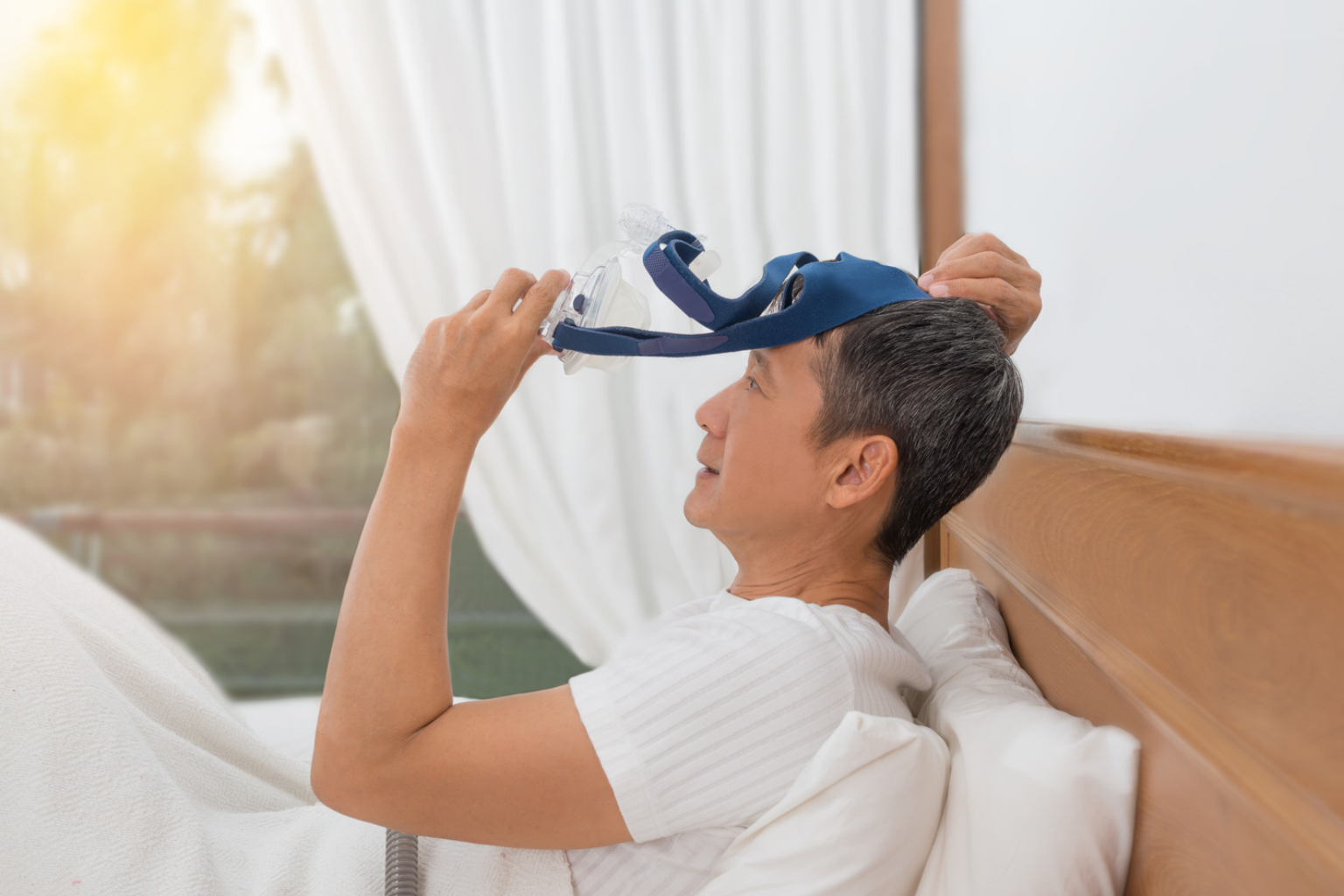
Unlike CPAP therapy, which typically uses a machine, mask, and tubing to deliver pressurized air, a custom oral sleep appliance is a small, portable device designed to fit your teeth. For appropriately selected patients, it can offer a convenient way to manage sleep apnea without the equipment associated with traditional CPAP treatment.
If you have been diagnosed with sleep apnea and are looking for more information about oral appliance therapy in the Tri-Cities or Eastern Washington, our team is here to help you understand your options.
What Is an Oral Appliance for Sleep Apnea?
An oral appliance for sleep apnea is a custom-made dental device worn during sleep. Many appliances used to treat obstructive sleep apnea are called mandibular advancement devices. They work by gently positioning the lower jaw forward to help keep the upper airway open during sleep.
When the airway remains more open, it may help reduce breathing interruptions associated with obstructive sleep apnea.
Unlike store-bought mouthguards, a prescription oral sleep appliance is custom designed to fit the individual patient's teeth and mouth. This personalized fit helps support comfort, retention, and appropriate positioning of the jaw.
At Columbia Center for Sleep Apnea & TMJ, Dr. Bloxham evaluates patients to determine whether oral appliance therapy may be an appropriate option based on their diagnosis, oral health, and individual needs.
5 Benefits of a Custom Oral Sleep Appliance
For patients who are appropriate candidates, oral appliance therapy offers several practical advantages.
1. No Hoses or Bulky Equipment
One of the biggest differences between a CPAP machine and an oral sleep appliance is the amount of equipment involved.
CPAP therapy generally requires a machine, tubing, and a mask. A custom oral appliance is a compact dental device worn inside the mouth.
There are no external air hoses or mask connections to manage while you sleep. For patients who find CPAP equipment cumbersome, this simpler setup may be appealing.
2. No Electricity or Power Required While Sleeping
A custom oral sleep appliance does not require electricity, batteries, or a power outlet to function while you wear it.
Because it works by positioning the jaw rather than delivering pressurized air, the appliance can be used without a powered machine.
This can be particularly convenient for people who travel frequently, stay overnight away from home, or want a treatment option that does not depend on access to electrical power.
3. Quiet and Discreet
Another benefit is that an oral sleep appliance operates without the motor noise associated with a CPAP machine.
There is no machine running beside the bed, and the device is worn discreetly inside the mouth.
For some patients and their bed partners, this can make the nighttime routine feel simpler and quieter.
4. Small, Portable, and Travel-Friendly
A custom oral sleep appliance is small enough to fit inside a compact protective storage case, which can easily fit into a pocket, purse, or carry-on bag.
Whether you are traveling for work, taking a vacation, camping, or visiting family, an oral appliance is easy to transport without packing a CPAP machine and its accompanying equipment.
Its portability is one of the most appealing features for patients who want a convenient treatment option while away from home.
5. Custom-Made to Fit Your Teeth
Your mouth is unique, and your sleep appliance should be designed with that in mind.
A prescription oral sleep appliance is made using dental measurements or impressions and is customized to fit your teeth. Your provider can adjust the device as appropriate to help achieve the intended jaw position while considering comfort and fit.
This is different from a generic, over-the-counter mouthpiece that is not specifically prescribed and fitted for your sleep apnea treatment.
At Columbia Center for Sleep Apnea & TMJ, the process begins with an evaluation to determine whether a custom oral appliance may be suitable for you.
Oral Appliance Therapy vs. CPAP: What's the Difference?
Both oral appliance therapy and CPAP are established treatment options for obstructive sleep apnea, but they work in different ways.
| Feature | Custom oral appliance | CPAP therapy |
|---|---|---|
| How it works | AnneRepositions the jaw to help keep the airway open | Delivers pressurized air through a mask |
| Hoses and tubing | No external hoses or tubing | Typically requires tubing |
| Electricity during use | Not required | Required for the machine |
| Noise | No motor noise | Machine noise may be present |
| Portability | Small device that fits in a compact case | Requires packing the machine and accessories |
| Customization | Made to fit the patient's teeth | Mask and equipment are selected and adjusted for the patient |
Neither treatment is automatically the best choice for everyone. CPAP is highly effective and remains an important treatment for obstructive sleep apnea. Oral appliance therapy may be an alternative for some patients who prefer it or who cannot tolerate CPAP.
The appropriate treatment depends on the severity of sleep apnea, individual health considerations, treatment response, and recommendations from the patient's sleep medicine provider.
Who Is a Candidate for an Oral Sleep Appliance?
Oral appliance therapy may be appropriate for adults diagnosed with obstructive sleep apnea, particularly those with mild to moderate disease or those who cannot tolerate CPAP or prefer an alternative after discussing the options with their healthcare provider.
However, candidacy is not determined by convenience alone. Factors such as dental health, the condition of the jaw joints, the ability to retain the appliance, and the nature of the sleep apnea must be considered.
An evaluation with a qualified provider can help determine whether an oral appliance is appropriate for your situation.
If you have already been diagnosed with sleep apnea, bring information about your diagnosis and current treatment to your appointment. Your provider may coordinate with your sleep physician to ensure that your treatment plan is appropriate.
How Do You Know If Your Oral Appliance Is Working?
One important part of sleep apnea treatment is confirming that the treatment is effective.
Although an oral appliance may help reduce snoring and breathing interruptions, feeling better or noticing less snoring does not necessarily mean your sleep apnea is fully controlled.
Follow-up care and objective sleep testing, as recommended by your sleep physician, are important for evaluating treatment effectiveness. Your provider may also assess the appliance's fit, comfort, and any dental or jaw-related side effects over time.
Ongoing monitoring helps ensure that your treatment continues to meet your needs.
Why Choose Columbia Center for Sleep Apnea & TMJ?
Choosing an oral appliance involves more than selecting a device. It requires a personalized evaluation, an appropriate diagnosis, careful fitting, and follow-up care.
At Columbia Center for Sleep Apnea & TMJ, Dr. Jared Bloxham, our orofacial pain specialist, helps patients explore oral appliance therapy for obstructive sleep apnea.
Our focus is on helping patients understand their options and determine whether a custom dental appliance may be a suitable part of their treatment plan.
If you have been diagnosed with sleep apnea and want to learn more about a treatment that is compact, quiet, portable, and custom-made for your teeth, we encourage you to contact our office.
Explore Your Sleep Apnea Treatment Options
You do not have to navigate sleep apnea treatment questions on your own. If CPAP equipment feels inconvenient or you are interested in learning whether an oral appliance could work for you, a professional evaluation is a helpful next step.
Columbia Center for Sleep Apnea & TMJ helps patients explore personalized oral appliance therapy with Dr. Jared Bloxham, orofacial pain specialist.
Contact our office to learn more about custom oral sleep appliances, scheduling an evaluation, and coordinating treatment with your sleep physician.
A simpler nighttime routine may be possible with the right treatment for your needs.