Looking for a CPAP Alternative in the Tri-Cities? Discover Sleep Apnea Oral Appliance Therapy
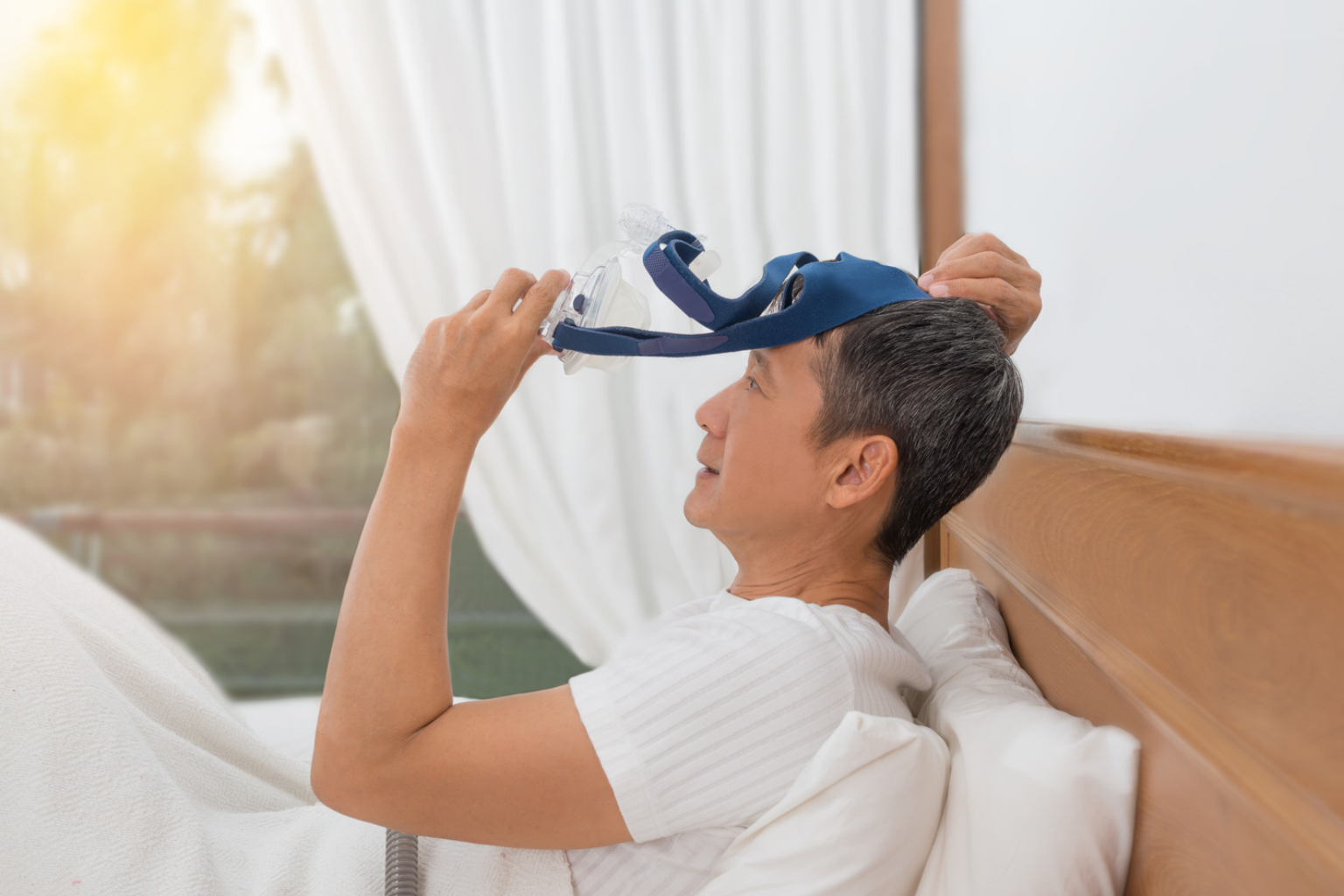
If you have been diagnosed with sleep apnea, you already know how important it is to get the right treatment for a better night's rest and your long-term health. But what if using a CPAP machine feels uncomfortable, inconvenient, or simply doesn't fit your lifestyle?
At Columbia Center for Sleep Apnea & TMJ, we help patients explore sleep apnea oral appliance therapy as an alternative to traditional CPAP treatment. Serving patients in Kennewick, Richland, Pasco, and surrounding Eastern Washington communities, our goal is to help you find a treatment option that works with your life.
Imagine going to bed without a bulky machine, air tubing, or the need to plug in equipment. For many eligible patients, a custom oral appliance offers a simple, portable, and convenient way to manage obstructive sleep apnea.
Whether you are currently using CPAP and looking for another option or have been diagnosed with sleep apnea and want to explore alternatives, oral appliance therapy may be worth discussing with a qualified provider.
What Is an Oral Appliance for Sleep Apnea?
An oral appliance for sleep apnea is a custom-fitted dental device worn while you sleep. It is designed to help keep your airway open and reduce breathing interruptions associated with obstructive sleep apnea (OSA).
Most sleep apnea oral appliances work by gently positioning the lower jaw forward. This helps create more space in the airway, reducing the likelihood that soft tissues will obstruct breathing during sleep.
Unlike CPAP therapy, which uses a machine to deliver pressurized air through a mask and hose, an oral appliance is a small device that fits inside your mouth.
For appropriately selected patients, oral appliance therapy can offer an effective treatment option without the equipment associated with CPAP.
Why Consider Oral Appliance Therapy Instead of CPAP?
CPAP therapy is a well-established treatment for obstructive sleep apnea, but it isn't the right fit for everyone. Some people have trouble adjusting to their mask, experience discomfort from the airflow, or find the equipment difficult to manage when traveling.
If you are searching for a CPAP alternative in Kennewick, Richland, Pasco, or the surrounding Tri-Cities area, an oral appliance may provide several advantages.
1. No Electricity Required
One of the biggest benefits of a traditional oral appliance is its simplicity. It does not require electricity, a power cord, or a bedside machine.
This can be especially appealing to people who travel frequently, camp, stay in hotels, or simply prefer a less equipment-dependent nighttime routine.
2. Small, Portable, and Travel-Friendly
Packing a CPAP machine, mask, tubing, and power supply can take up valuable space when you travel.
An oral appliance fits into a small storage case and is easy to bring along. Whether you are traveling for business, visiting family, or enjoying a weekend away in Eastern Washington, its compact design can make your sleep routine easier to manage.
3. A Simple Nighttime Routine
For many patients, using an oral appliance is straightforward: place the device in your mouth before going to sleep and remove it when you wake up.
There is no machine to set up or hose to connect. The device does need regular cleaning and appropriate professional follow-up, but many people appreciate the simplicity of the nightly routine.
4. No Mask or Air Hose
Some CPAP users find it difficult to sleep with a mask on their face or a hose connected to their equipment.
An oral appliance offers a different approach. Because it fits inside your mouth, there is no external mask or air tubing.
This can be particularly attractive to people who feel restricted by CPAP equipment or have struggled to use it consistently.
5. A Personalized Treatment Option
Oral appliance therapy is not a one-size-fits-all solution. A qualified provider evaluates your dental health, jaw function, medical history, and sleep apnea diagnosis to help determine whether this type of treatment is appropriate.
At Columbia Center for Sleep Apnea & TMJ, we help patients explore their options and take the next step toward a treatment plan suited to their needs.
Who Is a Good Candidate for Sleep Apnea Oral Appliance Therapy?
Oral appliance therapy may be appropriate for adults who have been diagnosed with obstructive sleep apnea and:
- Have mild to moderate obstructive sleep apnea.
- Have difficulty tolerating CPAP therapy.
- Prefer an alternative to a CPAP machine.
- Want a more compact option for travel.
- Are looking for a treatment that does not require electricity.
Some patients with more severe obstructive sleep apnea may also be candidates, particularly when CPAP cannot be tolerated. However, suitability depends on individual circumstances, and treatment effectiveness must be evaluated.
Oral appliances are not appropriate for every type of sleep apnea. Your diagnosis, dental health, jaw function, and other medical factors all matter.
Important: If you currently use CPAP, do not stop treatment or switch to an oral appliance without consulting your healthcare provider. Follow-up sleep testing is important to confirm that your alternative treatment is adequately controlling your sleep apnea.
Can an Oral Appliance Help If I Already Use CPAP?
Yes, an oral appliance may be an option for people who have already been diagnosed with sleep apnea and are currently using CPAP.
Perhaps you have trouble keeping your mask on throughout the night. Maybe you find your machine cumbersome when traveling, or you simply want to know whether another treatment could better fit your lifestyle.
You do not have to assume that CPAP is your only possible option.
A qualified provider can review your diagnosis, discuss your experience with CPAP, and determine whether oral appliance therapy is appropriate. Depending on your needs, your healthcare team may also recommend adjustments to your current CPAP setup or another treatment approach.
The most important thing is to find a treatment you can use consistently while ensuring your sleep apnea remains adequately managed.
Why Choose Columbia Center for Sleep Apnea & TMJ?
When looking for sleep apnea treatment in the Tri-Cities, it helps to find a provider who understands both sleep-related breathing concerns and the importance of dental and jaw health.
At Columbia Center for Sleep Apnea & TMJ, we help patients explore oral appliance therapy as a practical alternative to CPAP when clinically appropriate.
We understand that every patient has different concerns. Some people are frustrated with their current equipment, while others want to learn about their options before beginning treatment.
Our goal is to help you understand whether oral appliance therapy may be a good fit and guide you through the process of exploring a personalized solution.
If you live in Kennewick, Richland, Pasco, Benton City, or another nearby community, you can take the next step toward learning more about your treatment options.
Serving Kennewick, Richland, Pasco, and Surrounding Eastern Washington Communities
Finding the right sleep apnea treatment should not mean looking far from home. Columbia Center for Sleep Apnea & TMJ welcomes inquiries from people throughout the Tri-Cities and surrounding areas who want to learn more about oral appliance therapy.
We aim to help patients from communities including:
- Kennewick, WA: Exploring alternatives to CPAP and custom oral appliance treatment.
- Richland, WA: Learning whether oral appliance therapy may be appropriate for diagnosed obstructive sleep apnea.
- Pasco, WA: Finding a convenient, portable option for managing sleep apnea.
- Benton City, WA: Exploring local treatment options for sleep-disordered breathing.
- Moses Lake, WA: Learning about alternatives for people who struggle with traditional CPAP equipment.
- Ephrata, WA: Discovering whether a custom oral appliance may fit their treatment needs.
Wherever you are coming from in the region, our goal is to help you understand your options and make an informed decision about your sleep health.
Don't Ignore Sleep Apnea Symptoms
Sleep apnea can cause repeated interruptions in breathing throughout the night. Common symptoms include:
- Loud, persistent snoring.
- Waking up gasping or choking.
- Feeling tired even after a full night's sleep.
- Excessive daytime sleepiness.
- Morning headaches.
- Difficulty concentrating.
Not everyone with sleep apnea experiences the same symptoms. If you suspect you have sleep apnea, speak with a qualified healthcare professional about evaluation and appropriate testing.
If you have already been diagnosed, consistent treatment is important. An oral appliance may be a useful option for eligible patients, but it should be selected and monitored with appropriate professional guidance.
Take the Next Step Toward a More Convenient Sleep Apnea Treatment
You deserve to understand your options when it comes to managing sleep apnea. If CPAP has been uncomfortable, inconvenient, or difficult to use, oral appliance therapy may offer another path worth exploring.
At Columbia Center for Sleep Apnea & TMJ, we help patients in Kennewick, Richland, Pasco, Benton City, Moses Lake, Ephrata, and nearby communities learn about alternatives to traditional CPAP therapy.
A small, custom-fitted oral appliance could make your nighttime routine simpler—with no electricity, no bulky machine, and no external mask or hose.
Ready to explore your options?
Contact Columbia Center for Sleep Apnea & TMJ to learn more about sleep apnea oral appliance therapy and find out whether it may be right for you.
Your journey toward a more comfortable night's sleep can start with a conversation.
Frequently Asked Questions About Sleep Apnea Oral Appliances
Is an oral appliance as effective as CPAP?
CPAP generally provides greater control of obstructive sleep apnea, but oral appliances can be effective for many appropriately selected patients. The right choice depends on the severity of your condition, your anatomy, and your ability to use the treatment consistently.
Does a sleep apnea oral appliance require electricity?
No. A traditional mandibular advancement oral appliance is a mechanical dental device and does not require electricity, a power cord, or a bedside machine.
Can I switch from CPAP to an oral appliance?
Possibly. Oral appliance therapy is recommended for adults who cannot tolerate CPAP or prefer an alternative, when appropriate. Consult your healthcare provider before making a change, and arrange follow-up testing to verify treatment effectiveness.
Are oral appliances comfortable?
Many people appreciate their compact design and lack of a mask or hose. Some patients experience temporary jaw discomfort, tooth soreness, or changes in their bite. Proper fitting and follow-up care help monitor comfort and dental health.
Do I need a sleep apnea diagnosis before getting an oral appliance?
For treatment of obstructive sleep apnea, a medical evaluation and diagnosis are important. A qualified healthcare professional can help determine whether testing is needed and whether an oral appliance is appropriate for you.
Where can I find oral appliance therapy near Kennewick, Richland, or Pasco?
Columbia Center for Sleep Apnea & TMJ serves the Tri-Cities region and surrounding communities. Contact the office to learn more about treatment options and the next steps for determining your eligibility.