Struggling With CPAP? You May Have Another Option
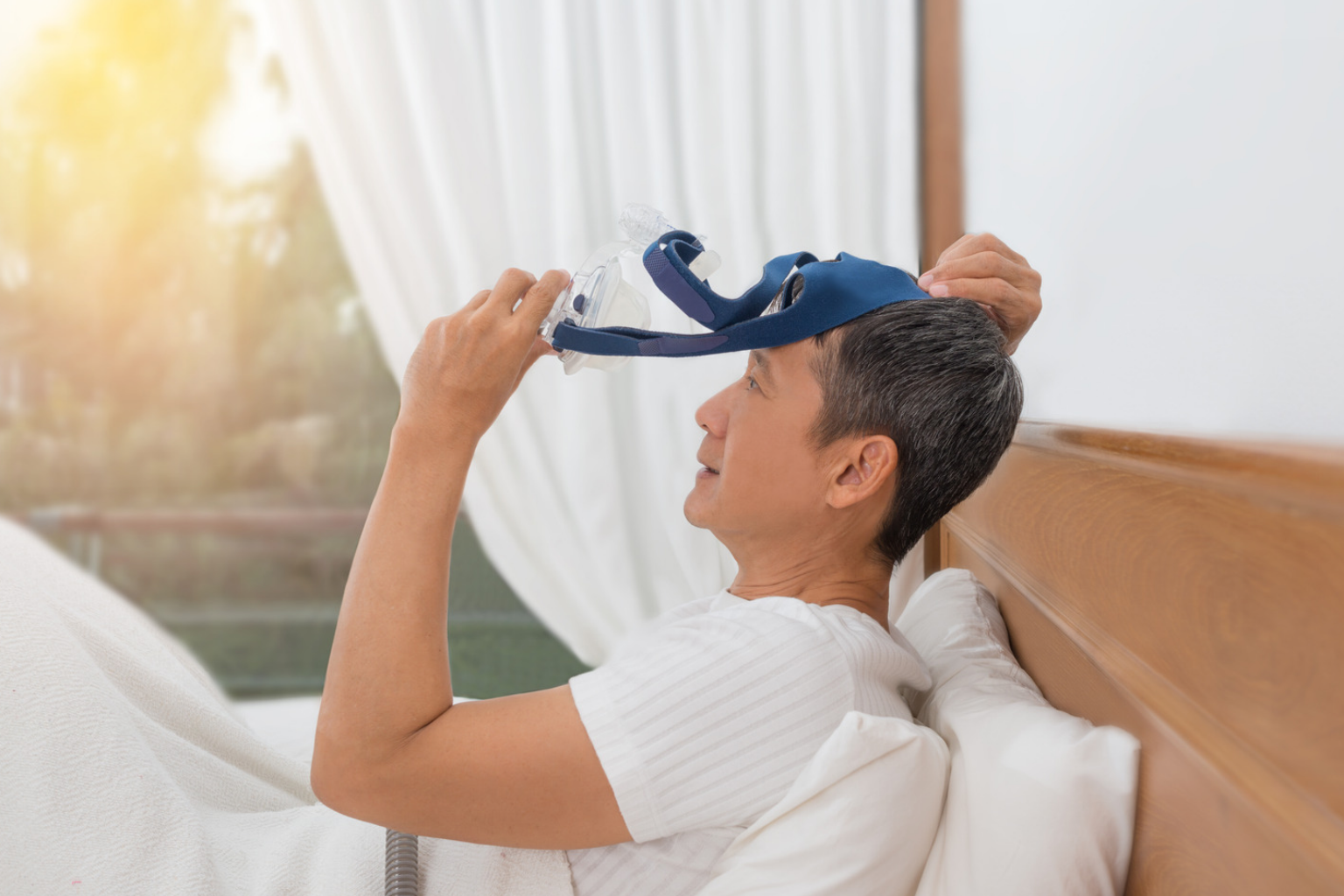
You know you need to treat your sleep apnea. You've been diagnosed, you've tried using your CPAP machine, and you understand why treatment matters. But there's one problem: you just don't like using it.
Maybe the mask feels uncomfortable. Maybe the tubing gets in the way when you sleep. Perhaps traveling with your equipment is a hassle, or you find yourself waking up in the middle of the night wanting to take everything off.
If any of this sounds familiar, you're not alone.
Many people diagnosed with obstructive sleep apnea struggle to adjust to CPAP therapy. While CPAP remains a highly effective treatment, it isn't always the easiest option for every patient's lifestyle.
The good news? A custom oral appliance may offer another way to manage obstructive sleep apnea.
At Columbia Center for Sleep Apnea & TMJ, we help patients throughout Kennewick, Richland, Pasco, and the surrounding Tri-Cities region explore oral appliance therapy when appropriate.
If CPAP hasn't been working well for you, here's what you should know.
1. You Don't Have to Sleep With a Mask and Hose
For some CPAP users, the biggest challenge is simply getting comfortable.
Sleeping with a mask on your face and tubing connected to a machine can take some getting used to. Some people experience mask leaks, facial irritation, feelings of claustrophobia, or difficulty finding a comfortable sleeping position.
An oral appliance takes a different approach.
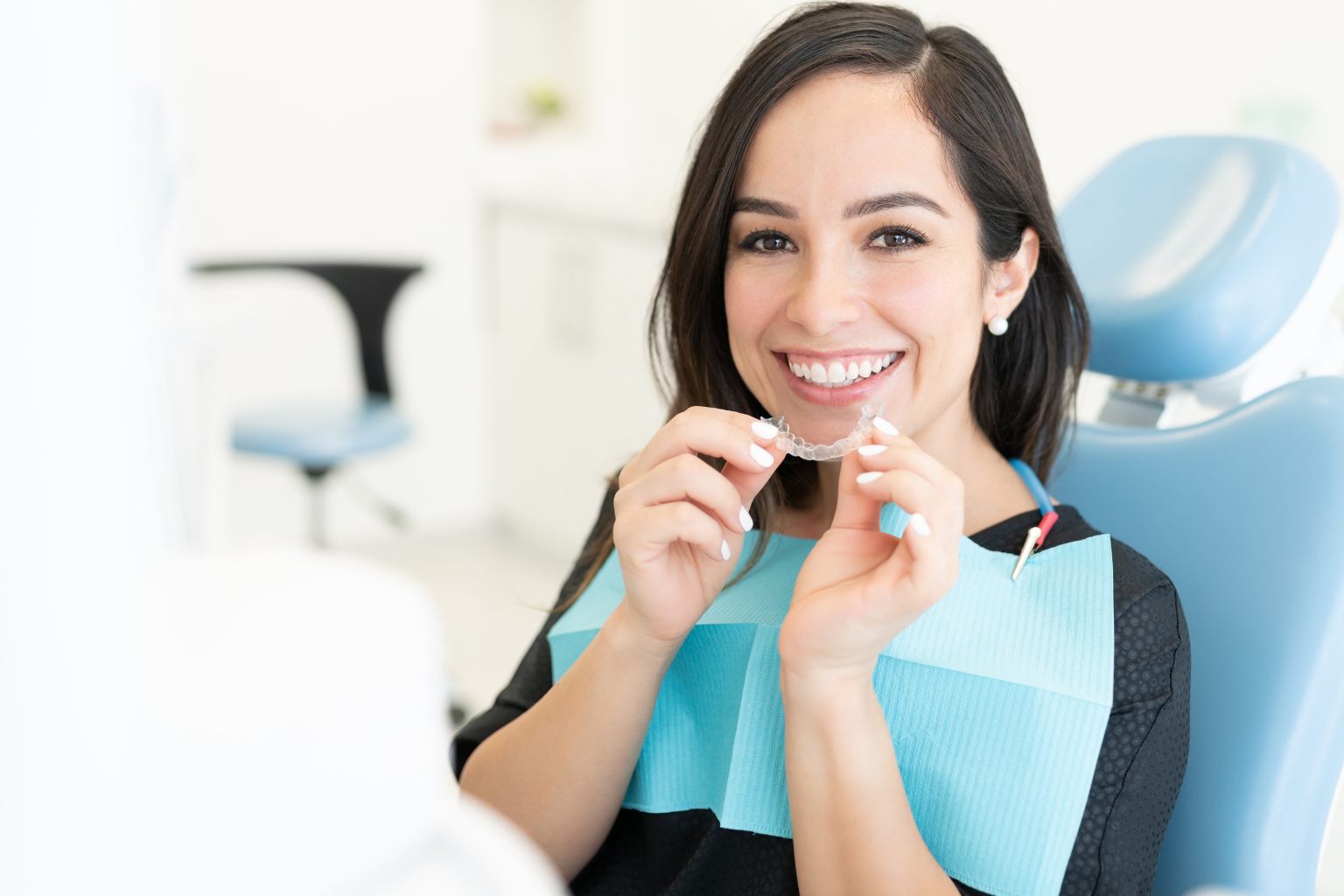
This custom-fitted dental device fits inside your mouth and is designed to gently position your lower jaw forward to help keep your airway open during sleep.
There is no external mask to wear and no air hose running from your bedside.
For people who struggle with CPAP equipment, this different approach may make nighttime treatment easier to incorporate into their routine.
2. Oral Appliances Don't Require Electricity
Imagine getting ready for bed without setting up a machine, connecting tubing, or checking a power supply.
Traditional oral appliances used for obstructive sleep apnea don't require electricity. They're compact, portable devices designed to be worn while you sleep.
This can be especially convenient if you:
- Travel frequently for work or vacation.
- Enjoy camping or spending time outdoors.
- Want to pack less equipment when you leave home.
- Prefer a simpler bedtime routine.
Whether you're staying in a hotel, visiting family, or heading out for a weekend adventure, an oral appliance can be easier to transport than a CPAP setup.
For many patients in the Tri-Cities and throughout Eastern Washington, convenience is an important consideration when choosing a treatment they can use consistently.
3. They're Small, Portable, and Easy to Pack
Traveling with CPAP often means bringing your machine, mask, tubing, power supply, and accessories.
An oral appliance is much smaller and typically fits into a protective storage case.
If you're frequently on the road between Kennewick, Richland, Pasco, Moses Lake, Ephrata, or other Eastern Washington communities, having a compact treatment option may be appealing.
The same goes for vacations, business trips, and overnight stays away from home.
Of course, convenience is only one part of the decision. Your treatment must also adequately control your sleep apnea. A qualified provider can help determine whether oral appliance therapy is an appropriate option for you.
4. You May Be Able to Find a Treatment That Fits Your Lifestyle Better
One of the most important parts of sleep apnea treatment is finding an option that you can use consistently and that effectively controls your condition.
If you regularly remove your CPAP mask during the night, skip treatment because you dislike the equipment, or struggle to use it when traveling, it may be time to discuss your concerns with your healthcare provider.
Depending on your situation, there may be several ways to improve your treatment experience, including adjusting your CPAP equipment or considering an alternative.
For appropriately selected adults with obstructive sleep apnea, oral appliance therapy can be an effective alternative. It is particularly worth discussing if you cannot tolerate CPAP or prefer another treatment option.
An oral appliance isn't guaranteed to work for everyone, and CPAP generally provides better control of sleep apnea. The goal is to find a treatment that is both effective and manageable for your individual needs.
5. You Can Explore Your Options Without Ignoring Your Diagnosis
Being diagnosed with sleep apnea can feel overwhelming, especially if the treatment you were prescribed doesn't fit comfortably into your life.
You might wonder whether you're stuck with your CPAP machine forever or whether there is another way to approach your care.
The important thing to remember is that you have options worth discussing with qualified healthcare professionals.
At Columbia Center for Sleep Apnea & TMJ, we help patients learn about oral appliance therapy and determine whether it may be appropriate for their circumstances.
Your evaluation may include a review of your sleep apnea diagnosis, dental health, jaw function, and treatment history. If an oral appliance is recommended, follow-up care and appropriate sleep testing help determine whether it is effectively managing your condition.
Never stop using CPAP or switch treatments without consulting your healthcare provider. Untreated sleep apnea can have serious health consequences, and an alternative treatment should be verified as effective.
Who Should Consider an Oral Appliance for Sleep Apnea?
You may want to ask about oral appliance therapy if you:
- Have already been diagnosed with obstructive sleep apnea.
- Find CPAP uncomfortable or difficult to tolerate.
- Prefer not to sleep with a mask and tubing.
- Want a smaller, travel-friendly treatment option.
- Are interested in learning about alternatives to traditional CPAP therapy.
Oral appliances are often recommended for mild to moderate obstructive sleep apnea, but some patients with more severe cases may also be candidates.
Your suitability depends on several factors, including your sleep study results, dental health, jaw function, and individual medical needs.
If you suspect you have sleep apnea but haven't been diagnosed, speak with a healthcare professional about an appropriate evaluation before pursuing treatment.
Looking for a CPAP Alternative in Kennewick, Richland, or Pasco?
You don't have to figure out your sleep apnea treatment options alone.
Columbia Center for Sleep Apnea & TMJ helps patients in the Tri-Cities and surrounding Eastern Washington communities explore oral appliance therapy as an alternative to CPAP when appropriate.
Whether you're in Kennewick, Richland, Pasco, Benton City, Moses Lake, Ephrata, or a nearby community, learning about your options can be a helpful first step toward finding a treatment that fits your needs.
Our goal is to help you understand how oral appliance therapy works, what to expect, and whether it may be a suitable option for your sleep apnea.
Take the Next Step Toward a Better Night's Sleep
If CPAP has become a source of frustration, don't simply give up on treating your sleep apnea.
A different treatment approach may be worth exploring.
Oral appliance therapy offers eligible patients a compact, electricity-free alternative that doesn't require a mask or external air hose. With proper evaluation and follow-up, it may be a practical option for people who struggle with traditional CPAP equipment.
Ready to explore an alternative to CPAP?
Contact Columbia Center for Sleep Apnea & TMJ to learn more about oral appliance therapy and find out whether it may be right for you.
Serving Kennewick, Richland, Pasco, and surrounding Eastern Washington communities.
Frequently Asked Questions
What can I do if I hate using my CPAP machine?
Start by discussing your concerns with your healthcare provider. Mask adjustments, humidification, or other changes may improve your experience. If you continue to struggle, ask whether a custom oral appliance or another treatment could be appropriate for you.
Is an oral appliance a good alternative to CPAP?
For many appropriately selected patients with obstructive sleep apnea, yes. Oral appliances can be effective, particularly for people who cannot tolerate CPAP or prefer an alternative. CPAP generally controls sleep apnea more effectively, so treatment choice and follow-up testing are important.
Does an oral appliance need to be plugged in?
No. Traditional oral appliances for obstructive sleep apnea do not require electricity, making them compact and convenient for travel.
Can I use an oral appliance if I have severe sleep apnea?
Some patients with severe obstructive sleep apnea may be candidates, especially if CPAP is not tolerated. However, an individualized evaluation is essential, and follow-up sleep testing is needed to confirm that the appliance adequately controls the condition.
Where can I explore CPAP alternatives in the Tri-Cities?
Columbia Center for Sleep Apnea & TMJ helps patients in Kennewick, Richland, Pasco, and nearby Eastern Washington communities explore oral appliance therapy. Contact the office to discuss your treatment options.