Jaw pain, clicking or popping sounds, headaches, facial discomfort, and difficulty chewing are more than just minor inconveniences. For many people, these symptoms are signs of a temporomandibular joint disorder, commonly known as TMJ or TMD.
If you've been struggling with jaw pain or other TMJ-related symptoms, you may be wondering what treatment options are available and whether surgery is your only solution. The good news is that many TMJ conditions can be managed with conservative, non-surgical treatments designed to reduce discomfort, improve jaw function, and help you get back to enjoying everyday activities.
At Columbia Center for Sleep Apnea & TMJ, we believe effective treatment starts with understanding the underlying cause of your symptoms. Under the care of Dr. Jared Bloxham, Orofacial Pain Specialist, patients have access to specialized expertise and individualized treatment approaches focused on addressing jaw joint disorders without immediately turning to invasive procedures.
Understanding TMJ Disorders
The temporomandibular joints are the two joints that connect your lower jaw to your skull. You use them throughout the day when talking, chewing, yawning, and eating. Because these joints are involved in so many everyday movements, even a small problem can have a significant impact on your comfort and quality of life.
TMJ disorders, also referred to as TMD, can involve the jaw joints, surrounding muscles, or other structures responsible for jaw movement.
Common symptoms include:
- Jaw pain, tenderness, or soreness.
- Clicking, popping, or grinding sounds when opening or closing the mouth.
- Difficulty opening the mouth fully.
- Jaw locking or limited movement.
- Frequent headaches or pain around the temples.
- Facial, neck, or ear discomfort.
- Pain or fatigue when chewing.
- Changes in how your teeth come together.
TMJ symptoms can have several contributing factors, including muscle tension, teeth clenching or grinding, joint inflammation, injury, and changes within the joint itself. Identifying what is contributing to your symptoms is an important first step toward finding the right treatment.
Why Choose an Orofacial Pain Specialist for TMJ Treatment?
Not all jaw pain is the same, and not every patient benefits from the same treatment approach. This is where specialized training can make a meaningful difference.
At Columbia Center for Sleep Apnea & TMJ, Dr. Jared Bloxham brings an advanced level of education and clinical focus to the treatment of jaw joint disorders and orofacial pain.
After completing his dental education, Dr. Bloxham pursued additional advanced training, completing a rigorous three-year master's program in orofacial pain. This specialized education provides a deeper understanding of the complex relationship between the jaw joints, facial muscles, nerves, and surrounding structures.
Dr. Bloxham is the only Orofacial Pain Specialist in our region, giving patients throughout the surrounding communities access to a level of specialized training that can be difficult to find locally.
What does this mean for patients?
It means your treatment can go beyond simply addressing where it hurts. An orofacial pain specialist is trained to evaluate the different structures and conditions that may be contributing to your symptoms.
This allows for a more comprehensive approach to diagnosis and treatment, with an emphasis on conservative therapies whenever appropriate. Rather than assuming surgery is necessary, Dr. Bloxham works to identify treatment options that may help improve function, reduce pain, and support long-term comfort.
Non-Surgical TMJ Treatment Options Available at Our Office
One of the most important things patients should understand about TMJ disorders is that surgery is not always necessary. In many cases, conservative treatment options can help manage symptoms and improve jaw function.
At Columbia Center for Sleep Apnea & TMJ, treatment recommendations are based on each patient's individual symptoms, examination findings, and underlying condition.
Some non-surgical treatment approaches may include:
1. Custom Oral Appliances and Splint Therapy
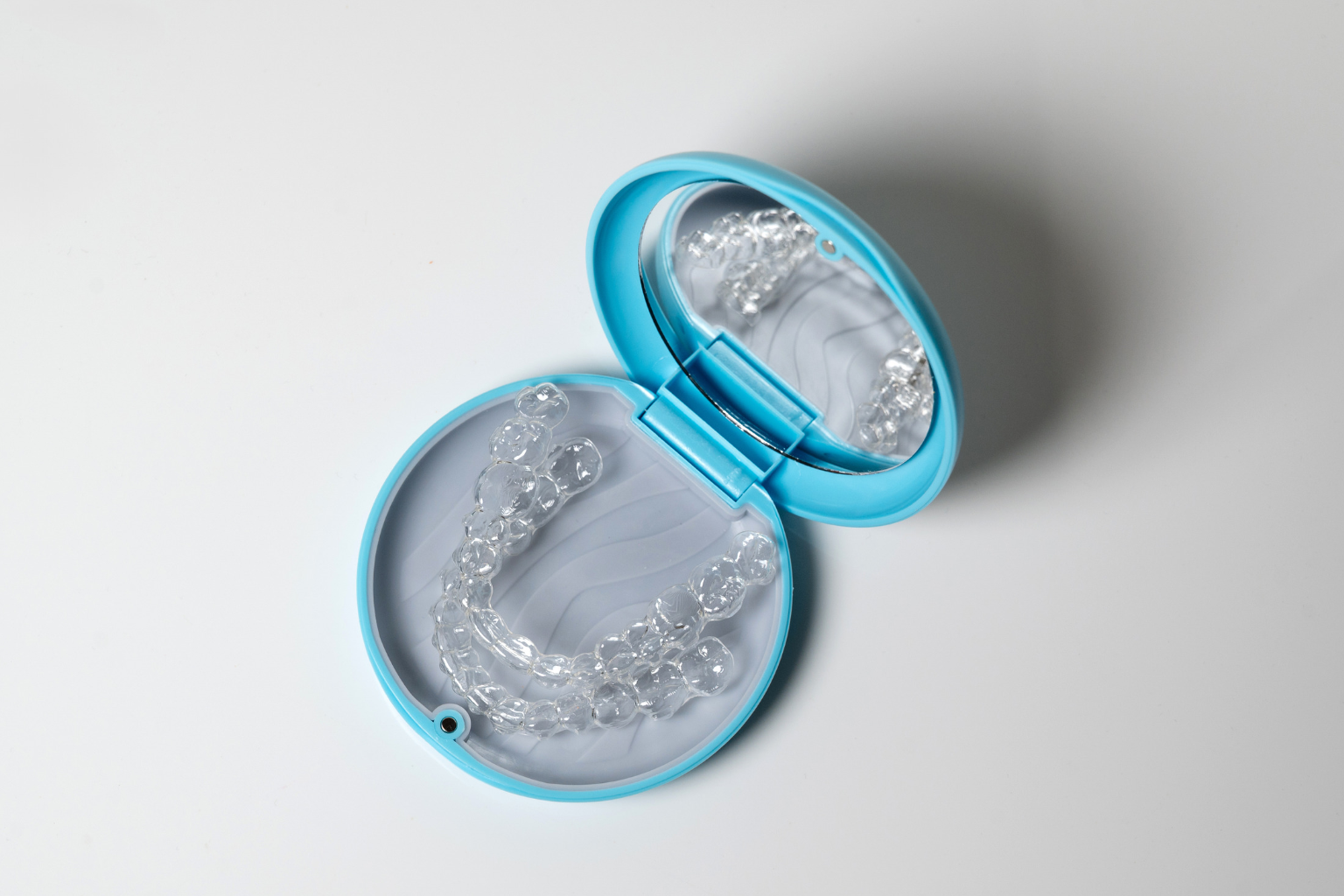
Custom oral appliances may be recommended for patients experiencing jaw discomfort, clenching, grinding, or certain types of jaw joint dysfunction.
These appliances are designed to fit your mouth and may help reduce excessive forces on the teeth and jaw structures. Depending on the appliance and the patient's condition, splint therapy may help protect the teeth, support jaw function, and reduce symptoms associated with certain TMJ disorders.
Custom treatment is important because not every appliance is appropriate for every patient. A thorough evaluation helps determine whether an oral appliance is a suitable option.
2. Conservative Jaw Joint Management
The jaw joint is a complex structure, and treating joint-related discomfort requires an understanding of how the joint functions.
Conservative management may involve strategies intended to reduce irritation, improve jaw mobility, and address contributing factors affecting the joint.
With his advanced training in orofacial pain, Dr. Bloxham can evaluate the specific characteristics of a patient's jaw joint condition and develop an appropriate treatment plan.
3. Muscle Pain and Tension Management
TMJ-related discomfort doesn't always originate within the joint itself. Many patients experience pain involving the muscles responsible for opening, closing, and stabilizing the jaw.
Muscle-related symptoms may contribute to facial pain, headaches, jaw fatigue, and tenderness around the temples or cheeks.
Treatment may focus on reducing muscle strain, addressing clenching habits, and identifying factors that contribute to persistent tension.
4. Individualized Treatment Planning
Perhaps the most important part of conservative TMJ care is recognizing that every patient is different.
Some patients experience primarily muscular pain, while others have joint-related conditions or a combination of both. Treating all of these conditions the same way can overlook important details.
Dr. Bloxham's specialized background allows him to take a more comprehensive approach to evaluating these differences and determining which conservative treatment options are most appropriate.
The goal is to create a treatment plan that addresses the underlying contributors to discomfort rather than simply masking symptoms.
Why Conservative Treatment Should Be Considered Before Surgery
When patients experience ongoing jaw pain, it can be frustrating and sometimes overwhelming. Many begin searching for answers and worry that surgery may eventually be their only option.
However, surgery is not the first step for most TMJ conditions.
Conservative treatments are generally considered before surgical intervention because many patients can find relief through non-invasive approaches. Depending on the diagnosis, these treatments may help improve jaw movement, decrease pain, reduce muscle tension, and restore everyday function.
Surgery may be appropriate for certain significant structural or joint conditions, but it is typically considered only after a thorough evaluation and consideration of other treatment options.
Having a specialist who understands the complexity of the jaw joint can help patients make more informed decisions about their care.
Serving Patients Throughout the Columbia Basin and Surrounding Communities
At Columbia Center for Sleep Apnea & TMJ, we are proud to help patients seeking specialized care for jaw pain and TMJ disorders throughout our region.
Our office serves patients from:
- Kennewick
- Pasco
- Richland
- Ephrata
- Moses Lake
- Benton City
- And other neighboring communities throughout the Columbia Basin.
We understand that living with persistent jaw pain can affect nearly every aspect of your day. Our goal is to help patients access specialized knowledge, appropriate treatment options, and a path toward improved comfort and function.
You Don't Have to Live With Persistent Jaw Pain
If you're experiencing jaw clicking, headaches, facial discomfort, difficulty chewing, or other symptoms associated with TMJ disorders, getting the right evaluation is an important first step.
With advanced education in orofacial pain, Dr. Jared Bloxham offers a specialized perspective on diagnosing and managing complex jaw joint conditions. His additional three-year master's-level training provides an important foundation for developing thoughtful, individualized treatment plans with an emphasis on conservative, non-surgical care when appropriate.
At Columbia Center for Sleep Apnea & TMJ, we want patients to understand that there are treatment options available, and surgery is not always the answer.
Don't let jaw pain continue to interfere with your quality of life. Contact Columbia Center for Sleep Apnea & TMJ to learn more about your treatment options and schedule an evaluation with Dr. Jared Bloxham.
Specialized knowledge. Personalized care. A conservative approach to TMJ treatment.