
Jaw pain, headaches, ear discomfort, neck pain, and facial tension can all have something in common: the temporomandibular joints, commonly known as the TMJ.
For many patients, these symptoms can become frustrating and difficult to manage. Some spend years visiting different healthcare providers, trying medications, or treating individual symptoms without ever identifying the underlying source of their discomfort.
What many people don't realize is that temporomandibular joint disorders (TMD) can involve much more than the jaw itself. Because the jaw joints, facial muscles, head, and neck are closely interconnected, TMJ-related conditions can contribute to a variety of symptoms that affect everyday life.
At Columbia Center for Sleep Apnea & TMJ, patients throughout the Columbia Basin have access to specialized care from Dr. Jared Bloxham, Orofacial Pain Specialist.
Dr. Bloxham is the only Orofacial Pain Specialist in our region and has completed extensive advanced education beyond dental school, including a three-year master's-level program in orofacial pain.
His specialized training provides a deeper understanding of complex jaw joint disorders, facial pain, and the relationship between the TMJ and other areas of the body.
If you're searching for a TMJ specialist near Kennewick, Richland, Pasco, or the surrounding communities, understanding the importance of specialized care can make all the difference.
What Is TMJ, and Why Can It Cause So Many Different Symptoms?
The temporomandibular joints are located on each side of your face, connecting your lower jaw to your skull. These joints allow you to talk, chew, yawn, and perform countless everyday movements.
Because the jaw is used so frequently, problems involving these joints or the surrounding muscles can significantly affect your comfort and quality of life.
Temporomandibular disorders, commonly called TMJ or TMD, describe a group of conditions affecting the jaw joints, chewing muscles, and associated structures.
Some common symptoms include:
- Jaw pain or tenderness.
- Clicking, popping, or grinding sounds when opening or closing the mouth.
- Difficulty opening the mouth fully.
- Jaw locking or restricted movement.
- Frequent headaches or pain around the temples.
- Ear discomfort, pressure, or pain.
- Facial soreness or muscle tension.
- Neck pain and muscle tightness.
- Pain or fatigue when chewing.
- Discomfort when waking up in the morning.
One reason TMJ disorders can be challenging to diagnose is that patients don't always recognize that their symptoms may be related to their jaw.
For example, someone experiencing recurring headaches may initially seek help from a primary care provider or neurologist. Another patient experiencing ear pain may visit an ENT specialist. Someone with persistent neck tension may seek treatment from a physical therapist or chiropractor.
While these symptoms can have many different causes, TMJ and orofacial pain conditions are important considerations when evaluating patients with overlapping symptoms.
Why See an Orofacial Pain Specialist for TMJ Treatment?
Not all TMJ conditions are the same, and not every patient benefits from the same treatment.
Some patients experience primarily muscular pain, while others have problems involving the jaw joint itself. Many experience a combination of both.
This is where specialized education becomes especially valuable.
At Columbia Center for Sleep Apnea & TMJ, Dr. Jared Bloxham brings an advanced level of knowledge to the diagnosis and management of complex jaw joint and orofacial pain conditions.
After completing dental school, Dr. Bloxham pursued additional advanced education and completed a three-year master's-level program in orofacial pain.
He is the only Orofacial Pain Specialist in our region.
This specialized training provides a deeper understanding of the relationship between:
- The temporomandibular joints.
- The muscles responsible for chewing and jaw movement.
- The head, face, and neck.
- Nerve-related facial pain.
- Headaches and migraines.
- Bite function and jaw mechanics.
- Complex chronic pain conditions.
Rather than focusing only on the location of a patient's discomfort, Dr. Bloxham evaluates how these different structures may be contributing to the overall problem.
This is particularly important for patients who have been experiencing symptoms for an extended period without finding lasting answers.
The Connection Between TMJ, Headaches, and Migraines
One of the most common complaints among patients with temporomandibular disorders is recurring head pain.
The muscles responsible for chewing and jaw movement are closely connected to structures throughout the head and face. When these muscles become overworked, irritated, or painful, they can contribute to headaches.
Some patients experience:
- Pain around the temples.
- Pressure across the forehead.
- Headaches upon waking.
- Facial soreness.
- Pain associated with clenching or grinding.
- Headaches that worsen with chewing or jaw movement.
Certain headache conditions can overlap with TMJ-related pain, making it important to evaluate both when appropriate.
Dr. Bloxham's advanced education in orofacial pain allows him to assess these relationships and determine whether jaw joint or muscle dysfunction may be contributing to a patient's headache symptoms.
Not every migraine is caused by TMJ, and headaches can have many different origins. However, identifying a jaw-related component may be an important part of developing an effective treatment plan.
Can TMJ Cause Ear Pain or Ear Pressure?
Another common reason patients seek medical attention is persistent ear discomfort.
Patients with TMJ disorders sometimes experience:
- Pain around or in the ear.
- A sensation of fullness or pressure.
- Discomfort near the jaw and ear.
- Symptoms that worsen with chewing.
- Pain when opening the mouth.
The temporomandibular joints are located immediately in front of the ears. Because of their proximity and the interconnected nerve and muscle structures in the area, jaw disorders can sometimes produce symptoms that feel like they originate in the ear.
This can make identifying the actual source of discomfort challenging.
Patients experiencing ear symptoms should receive an appropriate evaluation to rule out ear-related conditions. When an ear examination does not explain the symptoms, evaluating the jaw joints and surrounding muscles may be a helpful next step.
The Relationship Between TMJ and Neck Pain
Many patients are surprised to learn that jaw dysfunction and neck discomfort can sometimes be related.
The muscles and structures responsible for head and neck positioning work together with the muscles responsible for jaw movement.
When the jaw muscles become painful or overactive, patients may also experience tension involving the neck and surrounding muscles.
Potential symptoms include:
- Persistent neck tightness.
- Pain near the base of the skull.
- Shoulder and upper neck tension.
- Headaches accompanied by neck discomfort.
- Jaw soreness combined with facial muscle pain.
For patients who have been treating neck pain without experiencing lasting improvement, considering whether a jaw-related condition may also be contributing can be worthwhile.
A comprehensive evaluation can help determine whether TMJ dysfunction is part of the overall picture or whether another condition requires attention.
Why Dentists and Medical Providers Should Consider TMJ Referrals
TMJ disorders often fall into an area where dentistry and medicine overlap.
Dentists are frequently the first providers to recognize signs of jaw dysfunction, teeth grinding, clenching, and bite-related concerns. However, patients experiencing TMJ-related symptoms may initially present to medical offices instead.
This creates an important opportunity for collaboration between healthcare providers.
At Columbia Center for Sleep Apnea & TMJ, we welcome referrals from both dental and medical professionals who have patients experiencing symptoms that may involve the jaw joints or orofacial pain conditions.
Medical providers who may encounter patients with potential TMJ-related symptoms include:
Primary Care Providers
Patients frequently visit primary care offices for recurring headaches, facial discomfort, neck pain, and unexplained pain around the ears. When symptoms suggest a possible jaw-related component, an orofacial pain evaluation may be appropriate.
ENT Specialists
Patients with ear pain, pressure, or discomfort may benefit from an evaluation of the jaw joints when an ear-related condition does not fully explain their symptoms.
Neurologists and Headache Specialists
Some patients with recurring headaches or migraines may also have overlapping jaw muscle pain or temporomandibular disorders. Evaluating these contributing factors can help provide a more complete understanding of their symptoms.
Physical Therapists and Chiropractors
Patients receiving treatment for neck pain, facial muscle tension, or headaches may have an underlying orofacial pain condition that warrants additional evaluation.
Dentists and General Dental Practices
Dentists remain an important referral partner for patients experiencing jaw pain, clicking, locking, limited opening, and other signs of temporomandibular disorders.
The goal is not to replace the care provided by other healthcare professionals. It is to provide specialized evaluation and treatment when a patient's symptoms may involve the jaw joints, chewing muscles, or other orofacial pain conditions.
What Makes Columbia Center for Sleep Apnea & TMJ Different?
When searching for the best TMJ specialist in the Tri-Cities and surrounding Columbia Basin, it is important to look beyond simply finding someone who offers TMJ treatment.
Understanding the complexity of jaw joint disorders requires specialized knowledge and experience.
At Columbia Center for Sleep Apnea & TMJ, Dr. Jared Bloxham offers a level of specialized education that distinguishes our practice.
As the only Orofacial Pain Specialist in our region, he has advanced training specifically focused on conditions involving the jaw joints, facial muscles, head, and associated pain structures.
His three-year master's-level education beyond dental school provides an important foundation for:
- Evaluating complex TMJ conditions.
- Distinguishing muscular pain from joint-related problems.
- Identifying potential connections between jaw dysfunction and headaches.
- Evaluating facial pain and other overlapping symptoms.
- Developing individualized, conservative treatment approaches when appropriate.
- Recognizing when patients may benefit from additional medical evaluation or referral.
Rather than taking a one-size-fits-all approach, Dr. Bloxham focuses on understanding the underlying contributors to each patient's symptoms.
For patients who have struggled to find answers, this specialized perspective can be an important step toward more appropriate care.
Conservative TMJ Treatment Options
Many patients worry that receiving a TMJ diagnosis automatically means they will need surgery or invasive treatment.
Fortunately, that is not necessarily the case.
Many temporomandibular disorders can be managed with conservative treatment approaches, depending on the underlying diagnosis.
Treatment recommendations may include:
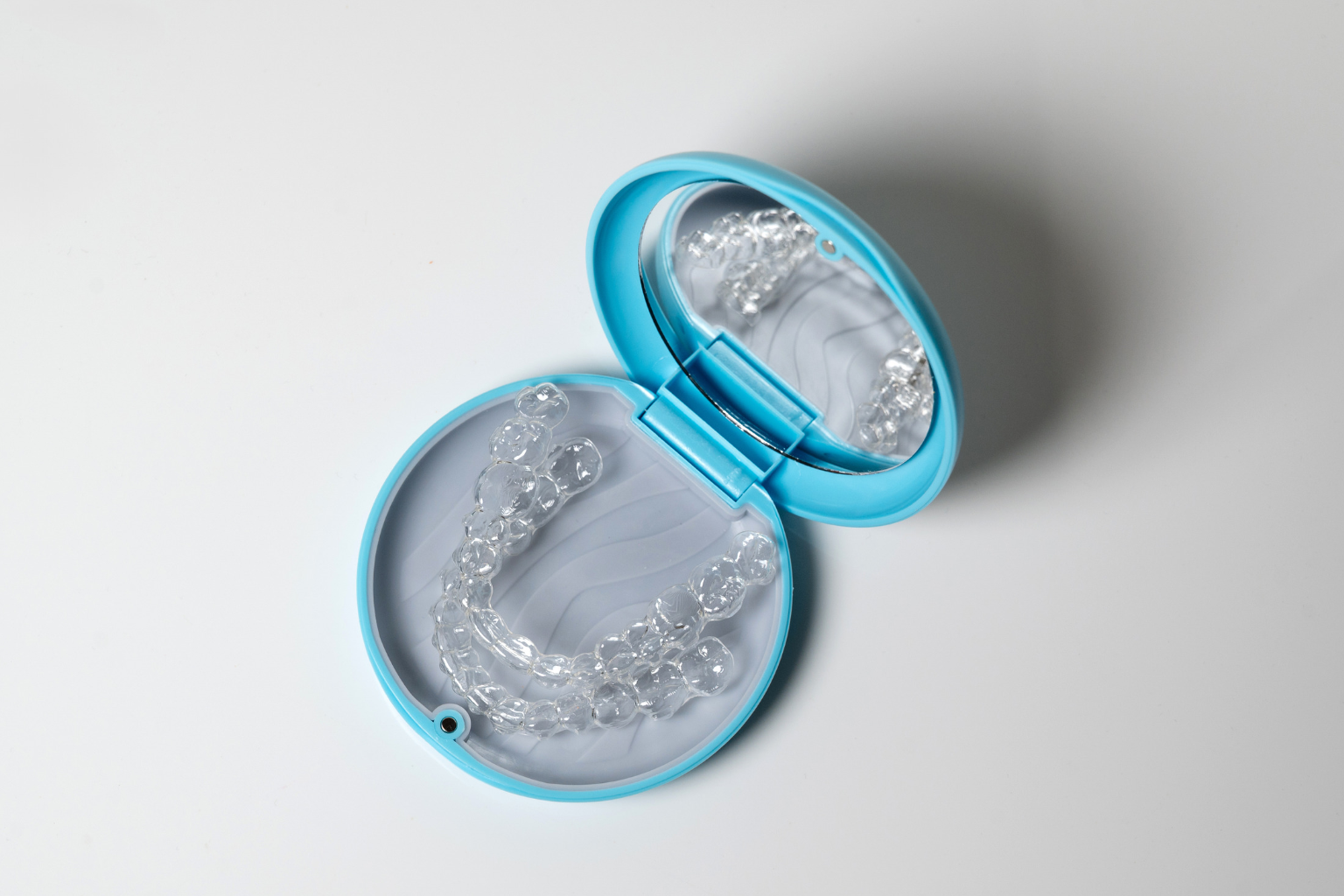
- Custom oral appliances or splint therapy when appropriate.
- Strategies to reduce excessive clenching and grinding.
- Jaw movement and muscle management recommendations.
- Education about habits that may aggravate symptoms.
- Coordination with other healthcare providers when needed.
- Individualized approaches to managing muscular and joint-related discomfort.
The appropriate treatment depends on the specific condition, examination findings, and individual patient needs.
Dr. Bloxham's specialized background allows him to evaluate these factors and determine which conservative options may be most appropriate before considering more invasive interventions.
Serving Patients Throughout the Columbia Basin
You don't have to travel to a major metropolitan area to access specialized orofacial pain care.
Columbia Center for Sleep Apnea & TMJ proudly serves patients throughout the Columbia Basin and neighboring communities, including:
- Kennewick, WA
- Pasco, WA
- Richland, WA
- Ephrata, WA
- Moses Lake, WA
- Benton City, WA
- And other surrounding communities.
Whether you are experiencing persistent jaw pain, recurring headaches, ear discomfort, facial tension, or neck pain that may be related to TMJ dysfunction, our office is here to help you explore your treatment options.
We also welcome collaboration and referrals from dental and medical professionals throughout the region.
Find Specialized TMJ Care with Dr. Jared Bloxham
Living with persistent jaw pain, headaches, facial discomfort, or unexplained ear symptoms can be exhausting. Finding the right provider is an important part of understanding what may be contributing to your symptoms.
At Columbia Center for Sleep Apnea & TMJ, patients have access to specialized care from Dr. Jared Bloxham, the only Orofacial Pain Specialist in our region.
His advanced three-year master's-level education provides a deeper understanding of the complex conditions affecting the jaw joints, facial muscles, head, and neck.
If you are searching for a TMJ specialist near Kennewick, Pasco, Richland, Ephrata, Moses Lake, or Benton City, we invite you to learn more about the specialized care available at our office.
Patients deserve answers, not just temporary solutions.
Contact Columbia Center for Sleep Apnea & TMJ today to schedule an evaluation with Dr. Jared Bloxham and learn whether your symptoms may be related to a temporomandibular disorder.
Specialized knowledge. Comprehensive evaluation. A better understanding of TMJ and orofacial pain.