Oral Appliances for Sleep Apnea: What You Need to Know About Oral Appliance Therapy

If you have been diagnosed with obstructive sleep apnea (OSA) or suspect that you may have it, you may be researching alternatives to CPAP. One treatment option you may have come across is oral appliance therapy.


Oral appliances for sleep apnea are custom-fitted dental devices designed to help keep the airway open during sleep. For appropriately selected patients, an oral appliance can be a comfortable and convenient treatment option.


At Columbia Center for Sleep Apnea & TMJ, Dr. Jared Bloxham is an Orofacial Pain Specialist who provides care related to oral appliance therapy and conditions involving the jaw and oral structures.


It is important to understand that Dr. Bloxham is not a sleep physician. Diagnosis of sleep apnea and management of a patient's overall sleep-related medical care may involve a sleep physician or other qualified medical provider. Our role is focused on the oral appliance and orofacial aspects of care.


What Is an Oral Appliance for Sleep Apnea?


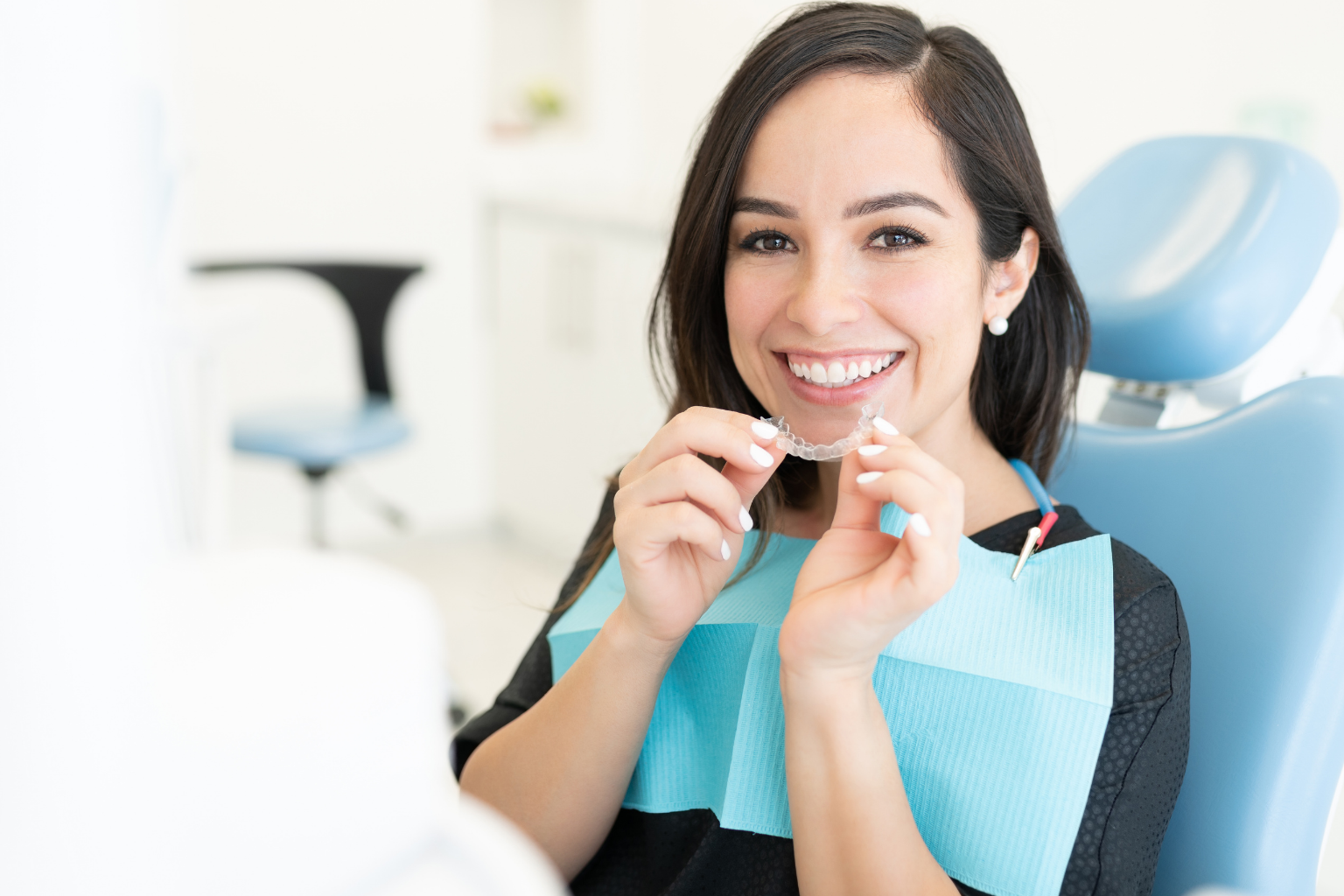
A sleep apnea oral appliance is a custom device worn in the mouth while you sleep. These appliances are designed to help maintain a more open upper airway by repositioning the lower jaw and/or other oral structures.


The most commonly used type for obstructive sleep apnea is a mandibular advancement device (MAD).


Rather than using air pressure like a CPAP machine, an oral appliance works mechanically to help reduce airway obstruction.

Because oral appliances interact with the teeth, jaw, muscles, and temporomandibular joints, proper evaluation, fitting, and follow-up are important.


How Does an Oral Appliance Help Sleep Apnea?


During sleep, the muscles and soft tissues of the upper airway can relax. In people with obstructive sleep apnea, this relaxation can contribute to narrowing or blockage of the airway.


A mandibular advancement oral appliance gently positions the lower jaw forward during sleep. This can help create more space in the upper airway and reduce the tendency for the airway to collapse.


The goal isn't simply to make a device that fits your teeth. The appliance needs to be appropriately selected, fitted, adjusted, and monitored.


That's one reason working with a provider who has specialized training in orofacial pain and jaw function can be important when oral appliance therapy is being considered.


Who Can Benefit From an Oral Appliance for Sleep Apnea?


Oral appliance therapy isn't right for everyone with sleep apnea.


It may be considered for some adults with obstructive sleep apnea, particularly when CPAP is not tolerated, when a patient prefers an oral appliance after discussing treatment options with their medical provider, or when an oral appliance is otherwise considered appropriate based on the individual's circumstances.


The severity and characteristics of sleep apnea, anatomy, dental health, jaw function, and other factors can all play a role in determining whether an oral appliance is appropriate.


At Columbia Center for Sleep Apnea & TMJ, our focus is on the oral appliance and the structures involved in its use, rather than diagnosing or medically managing sleep disorders.


Oral Appliance vs. CPAP: What's the Difference?


CPAP and oral appliance therapy work in very different ways.


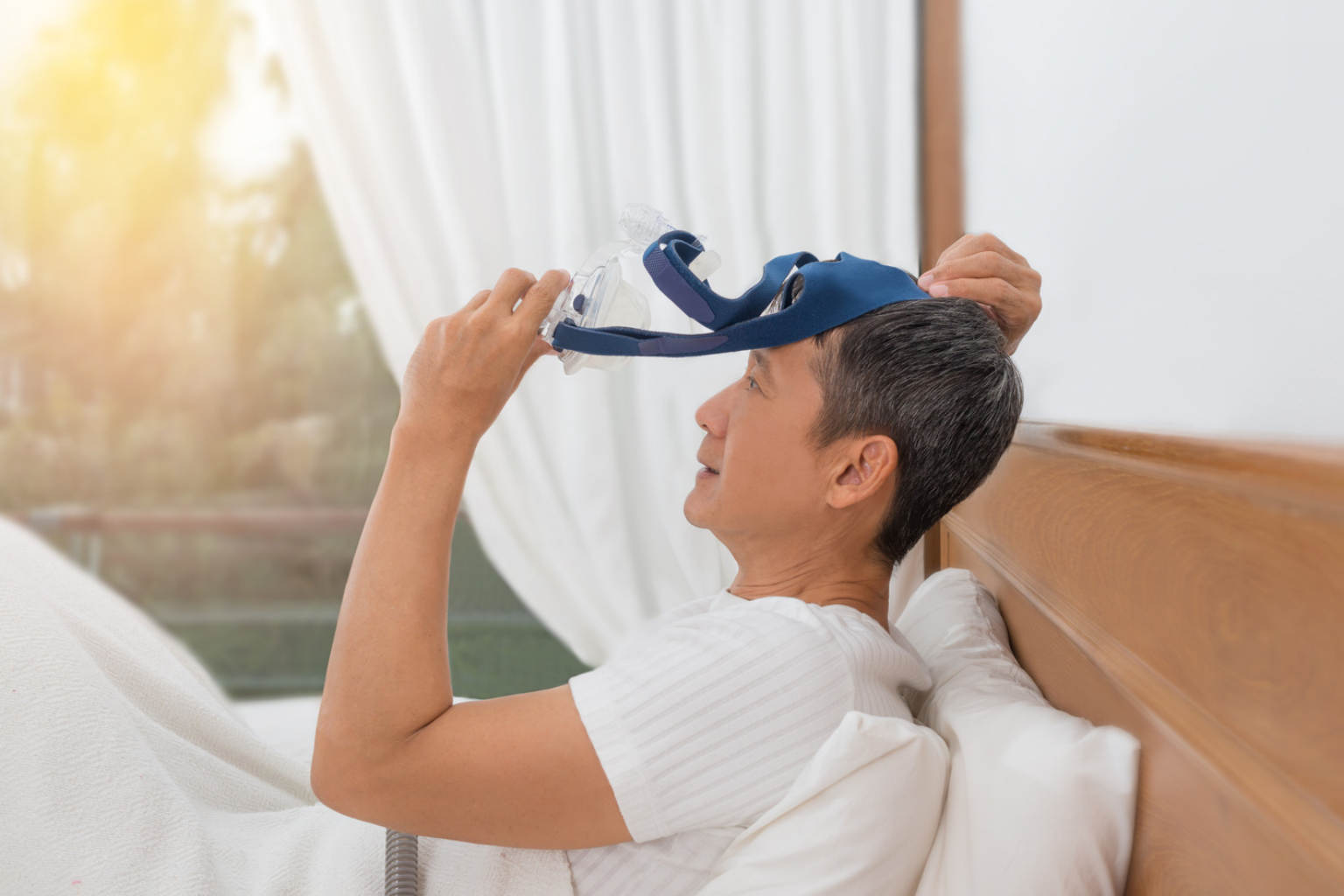
CPAP, or continuous positive airway pressure, uses a machine to deliver pressurized air through a mask to help keep the airway open during sleep.


An oral appliance is a custom-fitted device worn inside the mouth that helps reposition the jaw and support airway openness.

Neither treatment is universally “better.” The appropriate option depends on the individual patient and the type and severity of sleep apnea.


For some patients, CPAP may remain the preferred treatment. For others, an oral appliance may be an appropriate alternative or treatment option.


If you're considering an oral appliance for sleep apnea, it's important to discuss your options with the healthcare professionals involved in your sleep apnea care.


What Are the Benefits of Oral Appliance Therapy?


One reason patients ask about oral appliances for sleep apnea is convenience.


Depending on the patient and device, potential advantages may include:


  • A smaller and more portable alternative to CPAP equipment
  • No external mask or tubing
  • Easy travel and storage
  • Quiet operation
  • A custom fit designed for the individual patient
  • An option for patients who have difficulty tolerating CPAP


However, an oral appliance is still a medical treatment and requires appropriate evaluation and follow-up.


It's also important to understand that an oral appliance isn't simply an over-the-counter mouthguard. Custom oral appliances for sleep apnea are designed specifically for the patient's anatomy and treatment needs.


Why a Custom Oral Appliance Matters


You may find inexpensive “sleep apnea mouthguards” or generic anti-snoring devices online or in stores.


These are different from professionally managed oral appliance therapy.


A custom oral appliance is designed around the patient's teeth and jaw. It should also account for factors such as jaw movement, bite, dental health, and the condition of the temporomandibular joints.


Poorly fitting or inappropriate devices may cause discomfort or contribute to unwanted changes in the bite or jaw.


This is particularly important for patients who have a history of TMJ problems, jaw pain, or other orofacial pain conditions.


What If I Have TMJ Problems?


This is an important consideration.


Because sleep apnea oral appliances position the lower jaw during sleep, patients with existing jaw problems may have questions about whether they can safely use one.


Having TMJ symptoms doesn't automatically mean you cannot use an oral appliance. However, your jaw health should be considered when determining whether an appliance is appropriate and how it should be designed and managed.


As an Orofacial Pain Specialist, Dr. Jared Bloxham has specialized training involving the jaw joints, chewing muscles, and other structures of the head, neck, and face.


At Columbia Center for Sleep Apnea & TMJ, we can evaluate the orofacial and jaw-related considerations involved in oral appliance therapy.


What Is the Process for Getting an Oral Appliance?


If oral appliance therapy is being considered, the process generally involves several steps.


1. Sleep Apnea Evaluation and Diagnosis

Sleep apnea should be appropriately evaluated and diagnosed by a qualified medical provider.


A sleep physician or other healthcare professional may use a sleep study or other diagnostic methods to determine whether sleep apnea is present and characterize the condition.


2. Oral and Jaw Evaluation

Once oral appliance therapy is being considered, an evaluation of the teeth, jaw, bite, and surrounding structures can help determine whether an oral appliance is appropriate from an oral health and orofacial perspective.


3. Custom Appliance

If an appliance is appropriate, a custom device can be selected and fitted based on the patient's individual needs.


4. Adjustments and Follow-Up

An oral appliance may require adjustments over time.


Follow-up is important to evaluate comfort, jaw function, bite, and other factors associated with wearing the appliance.


5. Confirming Treatment Effectiveness

The effectiveness of sleep apnea treatment should be evaluated appropriately. Your sleep physician or other medical provider may recommend follow-up testing to determine whether the treatment is adequately controlling your sleep apnea.


How Long Does a Sleep Apnea Oral Appliance Last?


The lifespan of an oral appliance can vary depending on the type of appliance, materials, wear, oral habits, and individual circumstances.


Regular follow-up can help identify wear or changes in the appliance and determine when adjustments, repairs, or replacement may be appropriate.


Your oral appliance is also not necessarily a “set it and forget it” treatment. Ongoing monitoring can help ensure that the appliance remains comfortable and continues to function appropriately.


Frequently Asked Questions About Oral Appliances for Sleep Apnea


Can an oral appliance replace CPAP?

For some patients with obstructive sleep apnea, oral appliance therapy may be an appropriate alternative to CPAP. The appropriate treatment depends on the individual's condition, and treatment decisions should be made with the qualified healthcare professionals involved in their care.


Are oral appliances good for sleep apnea?

Oral appliances can be an effective treatment option for appropriately selected patients with obstructive sleep apnea. Their effectiveness varies from person to person, which is why proper diagnosis, appliance selection, and follow-up are important.


Is a sleep apnea oral appliance the same as a nightguard?

No. A nightguard is generally designed to protect teeth. A sleep apnea oral appliance is specifically designed to help address airway obstruction during sleep.


Although both devices are worn in the mouth, they serve different purposes.


Can I get an oral appliance if I have TMJ?

Possibly. Having TMJ symptoms does not automatically rule out oral appliance therapy, but your jaw health should be carefully considered. An evaluation by a qualified orofacial pain professional can help address the jaw-related aspects of treatment.


Where can I get a custom oral appliance for sleep apnea?

If you're considering a custom oral appliance, look for a provider with appropriate training and experience in oral appliance therapy and orofacial conditions. At Columbia Center for Sleep Apnea & TMJ, Dr. Jared Bloxham provides specialized orofacial pain care and focuses on the oral and jaw-related aspects of sleep apnea appliance therapy.


Considering an Oral Appliance for Sleep Apnea?


If you've been diagnosed with obstructive sleep apnea and are exploring treatment options beyond CPAP, a custom oral appliance for sleep apnea may be worth discussing with your healthcare team.


At Columbia Center for Sleep Apnea & TMJ, Dr. Jared Bloxham, Orofacial Pain Specialist, evaluates the oral, dental, and jaw-related considerations involved in oral appliance therapy.


We work within our area of expertise and coordinate with the appropriate medical professionals when needed. Dr. Bloxham is not a sleep physician and does not replace the role of the physician responsible for diagnosing and medically managing sleep apnea.


If you're interested in learning whether an oral appliance may be appropriate for you, contact Columbia Center for Sleep Apnea & TMJ to schedule an evaluation.


Custom oral appliance therapy. Specialized orofacial pain care. A treatment approach centered around you.


September 7, 2026
If you’ve been searching online for “TMJ near me” or the “best TMJ doctor,” chances are you’re dealing with symptoms that are difficult to ignore. Jaw pain, headaches, clicking or popping in the jaw, facial pain, difficulty chewing, and even unexplained ear discomfort can all be associated with temporomandibular disorders (TMD). Finding the right doctor to evaluate these symptoms is an important first step. At Columbia Center for Sleep Apnea & TMJ , patients receive specialized care from Dr. Jared Bloxham, an Orofacial Pain Specialist , who focuses on diagnosing and treating conditions involving the jaw, facial muscles, temporomandibular joints (TMJs), and related structures. If you’re looking for a TMJ specialist near you , understanding what to look for in a provider can help you make a more informed decision about your care. What Is TMJ? “TMJ” stands for the temporomandibular joint , which connects your lower jaw to your skull. You have one joint on each side of your face, located just in front of your ears. These joints work every time you: Chew Speak Yawn Swallow Open and close your mouth When problems develop with the joints, jaw muscles, or surrounding structures, the condition is generally referred to as a temporomandibular disorder (TMD) . TMD can affect people differently. Some patients experience primarily jaw pain, while others may have headaches, facial pain, jaw stiffness, or difficulty opening their mouths. Because there are many potential causes of jaw and facial pain, an accurate evaluation is important before deciding on treatment. Common Signs You May Need a TMJ Specialist Not every jaw click or occasional ache means you have a serious TMJ disorder. However, persistent or worsening symptoms are worth having evaluated by a qualified professional. Common symptoms associated with TMD may include: Jaw Pain or Tenderness Pain around the jaw, cheeks, temples, or in front of the ears can sometimes be related to the temporomandibular joints or the muscles responsible for chewing. Clicking, Popping, or Grinding Some people notice clicking or popping when opening or closing their mouths. These sounds can occur with or without pain. If jaw noises are accompanied by pain, locking, limited movement, or changes in how your bite feels, a professional evaluation may be appropriate. Headaches Some patients with jaw-related disorders experience headaches or pain around the temples and forehead. Jaw muscle tension and other factors may contribute to these symptoms. Difficulty Opening Your Mouth A jaw that feels stiff, catches, or does not open normally can be a sign that something within the jaw joint or surrounding muscles needs attention. Facial Pain Pain doesn't always feel like it's coming from the jaw. Some people experience discomfort in the cheeks, temples, face, or around the ears. Ear Symptoms Because the TMJ is located close to the ear, some people with TMD report sensations such as ear fullness, discomfort, or ringing. These symptoms can have many possible causes, so they should be properly evaluated rather than automatically attributed to TMJ. Why See an Orofacial Pain Specialist for TMJ? When searching for the best TMJ doctor near me , one of the most important things to consider is the provider's area of expertise. Orofacial pain is a dental specialty focused on the diagnosis and management of pain and dysfunction involving the jaw, mouth, face, head, and associated structures. An Orofacial Pain Specialist has specialized training in evaluating complex facial pain and jaw disorders. At Columbia Center for Sleep Apnea & TMJ, Dr. Jared Bloxham uses his specialized training in orofacial pain to evaluate patients experiencing TMJ and jaw-related symptoms. Rather than assuming that every patient with jaw pain needs the same treatment, the goal is to understand the individual patient's symptoms, history, contributing factors, and overall condition. What Treatments Are Available for TMJ? Treatment for TMD depends on the individual diagnosis and symptoms. There is no single “best TMJ treatment” for every patient. Depending on the underlying problem, treatment may involve conservative and non-invasive approaches designed to reduce symptoms and improve jaw function. Treatment options may include: Education about jaw function and habits Lifestyle and behavioral modifications Physical therapy or therapeutic exercises Oral appliances when appropriate Strategies to reduce excessive jaw muscle activity Medication recommendations when appropriate Treatment directed at specific joint or muscle conditions Additional therapies when clinically indicated A key part of effective TMJ care is determining which treatment is appropriate for your particular condition . More aggressive treatment isn't necessarily better treatment. In many cases, a conservative approach may be recommended first. Searching for “TMJ Near Me”? Location Matters — But Expertise Matters More When you search “TMJ near me,” search results can provide dozens of dental offices, medical practices, and other providers. But proximity shouldn't be the only factor you consider. When choosing a TMJ provider, consider: 1. Does the provider have specialized training? Look for a provider whose education and professional focus include orofacial pain and TMJ disorders. 2. Does the provider perform a comprehensive evaluation? A good TMJ evaluation should look beyond one isolated symptom and consider your overall jaw and facial pain experience. 3. Is treatment individualized? Your symptoms, jaw function, history, and diagnosis should help guide treatment. 4. Does the practice treat complex jaw and facial pain? Some TMJ cases are straightforward, while others can involve multiple contributing factors. Specialized experience can be particularly valuable when symptoms are persistent or difficult to diagnose. When Should You See a TMJ Specialist? Consider scheduling an evaluation if you have persistent jaw pain, recurring facial pain, frequent jaw headaches, painful clicking or popping, jaw locking, limited jaw movement, or other symptoms that are interfering with your daily life. You don't necessarily need to wait until your symptoms become severe. An evaluation can help determine whether your symptoms are related to a temporomandibular disorder or whether another issue may be contributing to your discomfort. If you have sudden or severe symptoms, significant swelling, trauma, fever, or difficulty breathing or swallowing, seek appropriate urgent medical care. Why Patients Choose Columbia Center for Sleep Apnea & TMJ At Columbia Center for Sleep Apnea & TMJ , our focus includes conditions involving the jaw, facial pain, TMJ disorders, and related concerns. Dr. Jared Bloxham is an Orofacial Pain Specialist dedicated to evaluating patients with complex jaw and facial pain symptoms. Our approach centers on understanding the individual patient and developing a treatment plan based on the underlying problem rather than treating every case exactly the same way. If you've been searching for a “TMJ doctor near me,” “TMJ specialist near me,” or “best TMJ doctor,” we encourage you to look beyond online rankings and consider the provider's specialty, experience, approach to diagnosis, and commitment to individualized care. Find a TMJ Specialist Near You Living with ongoing jaw pain or facial discomfort can be frustrating — especially when you aren't sure what's causing it. If you're experiencing symptoms that may be related to TMJ or TMD, an evaluation with an Orofacial Pain Specialist can be an important step toward understanding your condition and exploring appropriate treatment options. Columbia Center for Sleep Apnea & TMJ is here to help patients understand their jaw pain and explore personalized treatment options. Dr. Jared Bloxham, Orofacial Pain Specialist If you're searching for TMJ treatment near me , a TMJ specialist near me , or the best TMJ doctor , contact Columbia Center for Sleep Apnea & TMJ to schedule an evaluation and learn more about your options. Frequently Asked Questions About TMJ How do I find the best TMJ doctor near me? When looking for a TMJ doctor, consider the provider's specialty, training, experience with TMD and orofacial pain, approach to diagnosis, and whether treatment is individualized to your condition. Is TMJ the same thing as TMD? Not exactly. TMJ refers to the temporomandibular joint itself. TMD, or temporomandibular disorder, is a broader term for conditions affecting the jaw joints, chewing muscles, or related structures. However, “TMJ” is commonly used by patients when referring to these disorders. Does TMJ always require surgery? No. Many TMD conditions can be managed with conservative, non-surgical approaches. The appropriate treatment depends on the specific diagnosis and individual circumstances. Can headaches be related to TMJ? Jaw and facial muscle disorders can contribute to headaches in some patients. However, headaches have many possible causes, so a proper evaluation is important before determining whether the jaw is contributing to your symptoms.. Ready to find out what's causing your jaw pain? If you've been searching for “TMJ near me” or the “best TMJ doctor,” contact Columbia Center for Sleep Apnea & TMJ to schedule an evaluation with Dr. Jared Bloxham, Orofacial Pain Specialist .
September 4, 2026
If you are searching for trigger point injections near me, TMJ trigger point injections, or treatment for persistent headaches, neck pain, shoulder pain, or facial pain, trigger point injections may be one treatment option worth discussing. At Columbia Center for Sleep Apnea & TMJ, located in Richland, Washington, we evaluate and treat patients experiencing complex jaw, facial, head, neck, and muscle-related pain. Under the care of Dr. Jared Bloxham, our office provides trigger point injections as part of a comprehensive approach to patients with appropriate myofascial pain and related conditions. We serve patients throughout the Tri-Cities and surrounding communities, including Richland, Kennewick, Pasco, West Richland, Benton City, Walla Walla, Hermiston, Umatilla, Ephrata, Moses Lake, and surrounding areas of Eastern Washington and Eastern Oregon. What Are Trigger Points? A trigger point is a sensitive or painful area within a muscle that can contribute to localized pain as well as pain that is felt somewhere else in the body. For example, a trigger point in certain muscles of the neck or shoulder may contribute to pain that radiates toward the head. Trigger points involving muscles around the jaw can contribute to facial pain, jaw discomfort, and symptoms associated with temporomandibular disorders (TMD). This is one reason diagnosing the source of pain can be more complicated than simply identifying where the patient feels the pain. You may feel pain in your temple, for example, while the underlying muscular component may involve the jaw, neck, or surrounding muscles. What Are Trigger Point Injections? Trigger point injections are minimally invasive injections directed into an identified painful or irritated area of muscle. Depending on the patient's condition and treatment plan, an injection may contain a local anesthetic or another medication selected by the treating clinician. The goal is to reduce pain and muscle sensitivity and potentially interrupt the cycle of pain and muscle tension. Trigger point injections have been studied for a variety of myofascial pain conditions, including pain involving the head, neck, shoulders, face, and jaw. Research on trigger point injections has shown potential benefits for certain patients, although results vary depending on the condition, the muscles involved, the injection technique, and the individual patient. There is currently no single injection medication that has been established as universally superior for trigger point treatment. Trigger Point Injections for TMJ and Jaw Pain One of the reasons patients seek treatment at our office is persistent TMJ/TMD-related pain. Temporomandibular disorders can involve the jaw joints, chewing muscles, or both. When muscles such as the masseter, temporalis, or other surrounding muscles become painful or develop myofascial trigger points, patients may experience: Jaw pain or tenderness Facial pain Temple pain Pain while chewing Jaw fatigue Muscle tightness Headaches Pain that radiates into the face, neck, or head Trigger point injections may be considered as one component of treatment when muscular pain is contributing to a patient's symptoms. Research into myofascial pain associated with TMD has identified local anesthetic trigger point injections among the conservative treatment options that may be beneficial for appropriately selected patients. Importantly, not every patient with TMJ pain needs an injection. A thorough evaluation is important to determine whether the pain appears to originate from the muscles, the jaw joints, nerves, or another source. Trigger Point Injections for Headaches and Migraines Muscle tension and myofascial trigger points can sometimes contribute to headache symptoms. Trigger point injections have been studied as an adjunctive treatment for several types of headache disorders, particularly when active trigger points are identified during an examination. Common areas treated for headache-related trigger points can include muscles such as the temporalis, trapezius, and sternocleidomastoid. For patients experiencing recurring headaches or migraine symptoms, the goal isn't simply to "chase the headache." Instead, identifying potential contributing factors—including muscular tension and trigger points—can help determine whether trigger point treatment belongs in a larger treatment plan. Can Trigger Point Injections Treat Migraines? Trigger point injections are not a universal cure for migraine. However, they may have a role as an adjunctive treatment for certain headache patients, particularly when muscular trigger points are present. The American Headache Society has described a role for trigger point injections in appropriately selected headache patients. If your headaches are frequent, severe, changing in pattern, or accompanied by concerning neurological symptoms, a medical evaluation is important. Trigger Point Injections for Neck and Shoulder Pain Trigger points can also occur in the muscles of the neck and shoulders. Patients may experience: Chronic neck tightness Shoulder pain Muscle knots Pain that travels from the neck toward the head Tension-type headaches Reduced comfort or range of motion For example, trigger points involving the trapezius muscle can contribute to pain in the neck and shoulder region and may be associated with headache symptoms. Trigger point injections may be considered when a specific painful muscular area is identified during an examination. Trigger Point Injections for Facial Pain Facial pain can have many different causes. Muscles of the jaw, temples, neck, and surrounding structures can contribute to pain experienced in the face. This can make facial pain difficult to diagnose without a comprehensive examination. When a muscular trigger point appears to be contributing to a patient's symptoms, an injection may be considered as part of the treatment plan. The goal is not simply to inject wherever a patient hurts. Instead, treatment should be based on identifying the structures that may be contributing to the patient's symptoms. What Can You Expect During a Trigger Point Injection? The process will depend on the location of the trigger point and your individual treatment plan. Generally, the clinician first identifies the painful or sensitive area and determines whether it appears consistent with a myofascial trigger point. The area is then prepared, and the injection is performed into the targeted muscle. Some patients experience brief discomfort from the needle or injection. Temporary soreness at the injection site can also occur afterward. Research has reported generally minor adverse effects in many studies, although—as with any invasive procedure—there are potential risks and complications that should be discussed before treatment. Your provider will discuss the specific procedure, potential benefits, risks, and alternatives with you before treatment. Are Trigger Point Injections Right for Everyone? No. Trigger point injections are one tool in a larger toolbox for treating myofascial pain. They aren't appropriate for every type of headache, TMJ disorder, neck pain, shoulder pain, or facial pain. A comprehensive evaluation can help determine whether your symptoms are likely to benefit from this type of treatment. Looking for Trigger Point Injections Near You? If you live in the Tri-Cities or surrounding region and are searching for: Trigger point injections near me TMJ trigger point injections Trigger point injections for headaches Trigger point injections for neck pain Trigger point injections for facial pain Trigger point injections for shoulder pain TMJ treatment near me Facial pain treatment near me Headache treatment near me Columbia Center for Sleep Apnea & TMJ provides specialized evaluation and treatment for patients experiencing TMJ/TMD and complex orofacial pain. Our office is located at: Columbia Center for Sleep Apnea & TMJ 1363 Columbia Park Trail, Suite 101 Richland, WA 99352 We serve patients throughout Richland, Kennewick, Pasco, West Richland, Benton City, Walla Walla, Ephrata, Moses Lake, and surrounding communities in Eastern Washington and Eastern Oregon, including patients traveling from the broader Tri-Cities region. If you have persistent jaw, facial, head, neck, or muscle pain that hasn't responded to the treatments you've already tried, a comprehensive evaluation may help identify potential sources of your pain and determine whether trigger point injections or another treatment approach may be appropriate. Take the Next Step Toward Understanding Your Pain Persistent pain in the jaw, face, head, neck, or shoulders can be frustrating—especially when you've tried multiple treatments without getting the relief you hoped for. At Columbia Center for Sleep Apnea & TMJ, we take the time to evaluate where your pain may be coming from and whether muscular trigger points or other structures may be contributing to your symptoms. If you are searching for trigger point injections in Richland, Kennewick, Pasco, or the surrounding Eastern Washington and Eastern Oregon region, contact our office to schedule an evaluation. Columbia Center for Sleep Apnea & TMJ 1363 Columbia Park Trail, Suite 101 Richland, WA 99352 Serving Richland, Kennewick, Pasco, West Richland, Benton City, Walla Walla, Ephrata, Moses Lake, Eastern Washington & Eastern Oregon.
September 2, 2026
If you have been searching for an “oral sleep appliance near me,” “sleep apnea mouthpiece near me,” or a CPAP alternative in the Tri-Cities, Columbia Center for Sleep Apnea & TMJ provides custom oral appliance therapy for patients throughout Eastern Washington and Eastern Oregon. Led by Dr. Jared Bloxham, an orofacial pain specialist, our office helps appropriate patients with obstructive sleep apnea (OSA) explore custom oral appliance therapy as an alternative to CPAP. For patients who struggle with a CPAP mask, hoses, noise, electricity, or traveling with a CPAP machine, a custom oral sleep appliance may offer a simpler and more convenient treatment option. What Is an Oral Sleep Appliance? An oral sleep appliance is a small, custom-made device worn inside your mouth while you sleep. Unlike an over-the-counter “boil-and-bite” mouthguard, a prescription oral sleep appliance is designed specifically for your teeth, jaw, and individual anatomy. Oral appliances used for obstructive sleep apnea are generally designed to gently position the lower jaw forward while you sleep. This can help prevent the upper airway from narrowing or collapsing, allowing air to move more freely during sleep. These appliances are also commonly called: Mandibular advancement devices (MADs) Mandibular advancement appliances Mandibular repositioning devices Oral appliance therapy (OAT) How Does an Oral Sleep Appliance Work? One of the most common questions we hear is: “How can something that small help with sleep apnea?” The answer is the position of your jaw. When you sleep, the muscles and tissues of the upper airway naturally relax. In people with obstructive sleep apnea, the airway can become narrowed or collapse, interrupting normal breathing. A properly fitted mandibular advancement appliance gently holds the lower jaw in a forward position during sleep. This can help stabilize and maintain the airway and reduce obstructive breathing events. The appliance is worn only while sleeping and is designed to be comfortable enough for regular use. Is an Oral Appliance an Alternative to CPAP? For some patients, yes. CPAP remains an important and highly effective treatment for obstructive sleep apnea. However, not every patient is able or willing to use CPAP consistently. According to clinical guidelines, oral appliance therapy can be considered for adults with OSA who are unable to tolerate CPAP or who prefer an alternative treatment. For appropriate patients, a qualified dentist should use a custom, titratable appliance rather than a non-custom device. That makes oral appliance therapy an important option for patients who have tried CPAP and struggled with: Mask discomfort Claustrophobia Hoses and tubing Noise Difficulty traveling with CPAP Difficulty consistently using CPAP The overall inconvenience of sleeping with a CPAP machine An oral appliance does not require electricity, hoses, or a mask. It is small, quiet, and easy to take with you when traveling. Why Choose a Custom Oral Sleep Appliance? Not all sleep apnea mouthpieces are the same. Over-the-counter devices may be inexpensive and readily available, but they are not designed specifically for your anatomy and are not equivalent to a professionally fabricated, adjustable oral appliance. A custom appliance is made from impressions or digital scans of your teeth and is designed to fit your mouth. Adjustable appliances can also be gradually titrated to find an appropriate therapeutic position. Clinical guidelines favor custom, titratable appliances over non-custom devices when oral appliance therapy is used for adult OSA. At Columbia Center for Sleep Apnea & TMJ, our approach includes evaluation, custom fabrication, fitting, adjustments, and follow-up rather than simply handing a patient a device and sending them home. Oral Sleep Appliances in the Tri-Cities If you live in the Tri-Cities, you do not necessarily have to travel outside the area to explore oral appliance therapy. Columbia Center for Sleep Apnea & TMJ serves patients throughout: Kennewick, WA Pasco, WA Richland, WA Benton City, WA Ephrata, WA Moses Lake, WA Hermiston, OR Eastern Washington Eastern Oregon Surrounding communities Patients from throughout the region seek out our office when searching for an oral sleep appliance near me, sleep apnea treatment near me, oral appliance therapy in Tri-Cities, or a CPAP alternative in Eastern Washington. Oral Sleep Appliance Treatment With Dr. Jared Bloxham Dr. Jared Bloxham is an orofacial pain specialist who focuses on conditions involving the jaw, facial structures, muscles, and related areas. While Dr. Bloxham is not a sleep physician, he provides the dental component of obstructive sleep apnea treatment by custom designing and managing oral appliance therapy for appropriate patients. Sleep apnea is a medical condition, and proper diagnosis and management are important. Oral appliance therapy is not intended to replace medical sleep evaluation. Instead, Dr. Bloxham works within his area of expertise to provide the custom dental appliance and ongoing dental management when oral appliance therapy is appropriate. This distinction is important: treating sleep apnea successfully is about more than simply getting a mouthpiece. Ongoing follow-up is an important part of oral appliance therapy. Professional guidelines recommend continued dental oversight to monitor for dental side effects or changes in the bite, as well as appropriate follow-up sleep testing to help confirm treatment effectiveness. Is an Oral Appliance Right for You? An oral sleep appliance may be worth discussing if: You have been diagnosed with obstructive sleep apnea. You have difficulty tolerating CPAP. You are looking for an alternative to CPAP. You travel frequently and want a more portable treatment option. You want a quiet treatment that does not require electricity. You prefer a small device worn in the mouth rather than a mask and machine. However, oral appliances are not appropriate for everyone. The right treatment depends on your sleep apnea diagnosis, severity, anatomy, medical history, dental health, and other factors. That is why professional evaluation is important before purchasing an oral appliance. Looking for an “Oral Sleep Appliance Near Me”? If you are in Kennewick, Pasco, Richland, Moses Lake, Ephrata, Hermiston, or another Eastern Washington or Eastern Oregon community, Columbia Center for Sleep Apnea & TMJ is here to help you explore whether custom oral appliance therapy is appropriate for your sleep of searching endlessly ordering an uncustomized device online, talk with a professional who can evaluate your individual needs and provide a custom-fittedServing the Tri-Cities, Eastern Washington ¬t worked for you—or you are looking for another treatment option—contact our office to schedule an evaluation and find out whether a custom oral sleep appliance oral sleep appliance is a custom-fitted device worn during sleep that helps position the lower jaw forward to help maintain a more open upperFor some appropriately selected adults with obstructive sleep apnea, oral appliance therapy can be an alternative to CPAP, particularly when CPAP is not tolerated or an alternative is preferred. CPAP remains an important and highly effective treatment for OSA. apnea. Instead of searching endlessly for a “sleep apnea mouthpiece near me” or ordering an uncustomized device online, talk with a professional who can evaluate your individual needs and provide a custom-fitted appliance with ongoing follow-up. Columbia Center for Sleep Apnea & TMJ Dr. Jared Bloxham Serving the Tri-Cities, Eastern Washington & Eastern Oregon If CPAP has not worked for you—or you are looking for another treatment option—contact our office to schedule an evaluation and find out whether a custom oral sleep appliance may be right for you. Where does Columbia Center for Sleep Apnea & TMJ provide oral appliance therapy? Our office serves patients throughout the Tri-Cities and surrounding communities, including Kennewick, Pasco, Richland, Ephrata, Moses Lake, Benton City, Hermiston, and communities throughout Eastern Washington and Eastern Oregon. If you have been searching for an oral sleep appliance near me, oral appliance therapy near me, or a CPAP alternative in the Tri-Cities, Columbia Center for Sleep Apnea & TMJ can help you determine whether custom oral appliance therapy is an appropriate option. Schedule a consultation with Dr. Jared Bloxham at Columbia Center for Sleep Apnea & TMJ to learn more about custom oral sleep appliances and whether this treatment may be right for you.
August 31, 2026
Looking for a myofascial pain specialist in the Tri-Cities or Eastern Washington? Learn about myofascial pain, its potential causes, and treatment options at Columbia Center for Sleep Apnea & TMJ.
August 28, 2026
Looking for oral appliances near you? Columbia Center for Sleep Apnea & TMJ provides custom oral sleep appliances for patients with sleep apnea who cannot tolerate or prefer not to use CPAP.
August 24, 2026
Looking for a headache doctor or migraine specialist in Kennewick, Richland, or Pasco? Learn how a comprehensive evaluation with Dr. Jared Bloxham can help identify potential causes of head and facial pain.
August 21, 2026
Learn how to manage TMJ pain without surgery. Discover conservative TMJ treatment options and when to see an Orofacial Pain Specialist like Dr. Jared Bloxham.
August 17, 2026
Learn what myofascial pain is, its symptoms, causes, and treatment options. Dr. Jared Bloxham provides comprehensive evaluation and care for myofascial pain, TMJ disorders, headaches, and facial pain in Richland, WA.
August 14, 2026
Many people assume TMJ disorders only cause jaw pain. In reality, problems involving the temporomandibular joints can affect much more than your jaw. If left untreated, TMJ disorders may contribute to chronic pain, changes in jaw function, and, in some cases, changes within the jaw joint itself. Early evaluation can help identify the cause of your symptoms and guide appropriate treatment. At Columbia Center for Sleep Apnea & TMJ , Dr. Jared Bloxham provides comprehensive care for patients experiencing TMJ disorders and other forms of orofacial pain. Common Symptoms of TMJ Disorders TMJ symptoms vary from person to person and may include: Jaw pain or soreness Clicking or popping sounds Jaw locking Difficulty chewing Frequent headaches Facial pain Ear pain or ringing in the ears Neck stiffness Shoulder pain Morning jaw fatigue Teeth grinding or clenching Limited jaw opening Many patients are surprised to learn that chronic headaches or facial pain may be related to TMJ dysfunction rather than a neurological condition. Can TMJ Lead to Bone Changes? In some cases, TMJ disorders are associated with changes in the temporomandibular joint itself. Depending on the underlying cause, imaging studies may reveal wear, degeneration, or remodeling of the joint over time. Some patients may experience changes in the bone within the joint as part of degenerative joint disease or other TMJ conditions. Not every patient with TMJ develops these changes, but ongoing pain, limited jaw movement, or persistent joint symptoms should be evaluated promptly to help determine the cause and identify appropriate treatment options. How an Oral Orthotic Can Help One of the most common conservative treatments for TMJ disorders is a custom oral orthotic. Unlike over-the-counter night guards, a custom orthotic is designed specifically for your bite and jaw relationship. Depending on your diagnosis, an orthotic may help: Reduce stress on the jaw joints Decrease muscle tension Minimize clenching and grinding Improve jaw comfort Support more balanced jaw function Because every patient's condition is different, the type of appliance and treatment plan should be based on a thorough examination. Additional TMJ Treatment Options Treatment often involves more than one therapy. Depending on your diagnosis, Dr. Jared Bloxham may recommend: Custom oral orthotics Trigger point injections for muscle-related pain Jaw rehabilitation exercises Lifestyle and behavioral modifications Education on habits that may contribute to symptoms Ongoing monitoring and adjustments to your treatment plan The goal is to improve jaw function while helping reduce pain and inflammation. Why Specialized Care Matters TMJ disorders are often multifactorial, involving muscles, joints, nerves, and surrounding structures. As an orofacial pain specialist, Dr. Bloxham focuses on diagnosing these complex conditions and developing individualized treatment plans tailored to each patient's needs. This specialized approach helps ensure that treatment addresses the underlying source of discomfort rather than only the symptoms. Serving Patients Throughout the Tri-Cities and Beyond Conveniently located in Richland, Washington , Columbia Center for Sleep Apnea & TMJ proudly serves patients from Kennewick, Pasco, West Richland, Benton City, Moses Lake, Ephrata, Basin City, Yakima, Walla Walla, Seattle , and surrounding communities across Eastern Washington and Northeastern Oregon. Patients seeking specialized care for jaw pain, headaches, facial pain, and TMJ disorders travel from throughout the region to receive personalized treatment. Find Relief from TMJ Pain If you're experiencing jaw pain, headaches, facial discomfort, or clicking and popping in your jaw, don't ignore the symptoms. Early diagnosis and conservative treatment may help improve your comfort and function before symptoms progress. Schedule a consultation with Dr. Jared Bloxham at Columbia Center for Sleep Apnea & TMJ to learn more about your treatment options, including custom oral orthotics, trigger point injections, and other individualized therapies. 
August 10, 2026
Stopped wearing your CPAP? Learn about the risks of untreated sleep apnea and discover custom oral sleep appliances from Columbia Center for Sleep Apnea & TMJ in Richland.