
If you’ve been searching online for “TMJ near me” or the “best TMJ doctor,” chances are you’re dealing with symptoms that are difficult to ignore. Jaw pain, headaches, clicking or popping in the jaw, facial pain, difficulty chewing, and even unexplained ear discomfort can all be associated with temporomandibular disorders (TMD).
Finding the right doctor to evaluate these symptoms is an important first step.
At Columbia Center for Sleep Apnea & TMJ, patients receive specialized care from Dr. Jared Bloxham, an Orofacial Pain Specialist, who focuses on diagnosing and treating conditions involving the jaw, facial muscles, temporomandibular joints (TMJs), and related structures.
If you’re looking for a TMJ specialist near you, understanding what to look for in a provider can help you make a more informed decision about your care.
What Is TMJ?
“TMJ” stands for the temporomandibular joint, which connects your lower jaw to your skull. You have one joint on each side of your face, located just in front of your ears.
These joints work every time you:
- Chew
- Speak
- Yawn
- Swallow
- Open and close your mouth
When problems develop with the joints, jaw muscles, or surrounding structures, the condition is generally referred to as a temporomandibular disorder (TMD).
TMD can affect people differently. Some patients experience primarily jaw pain, while others may have headaches, facial pain, jaw stiffness, or difficulty opening their mouths.
Because there are many potential causes of jaw and facial pain, an accurate evaluation is important before deciding on treatment.
Common Signs You May Need a TMJ Specialist
Not every jaw click or occasional ache means you have a serious TMJ disorder. However, persistent or worsening symptoms are worth having evaluated by a qualified professional.
Common symptoms associated with TMD may include:
Jaw Pain or Tenderness
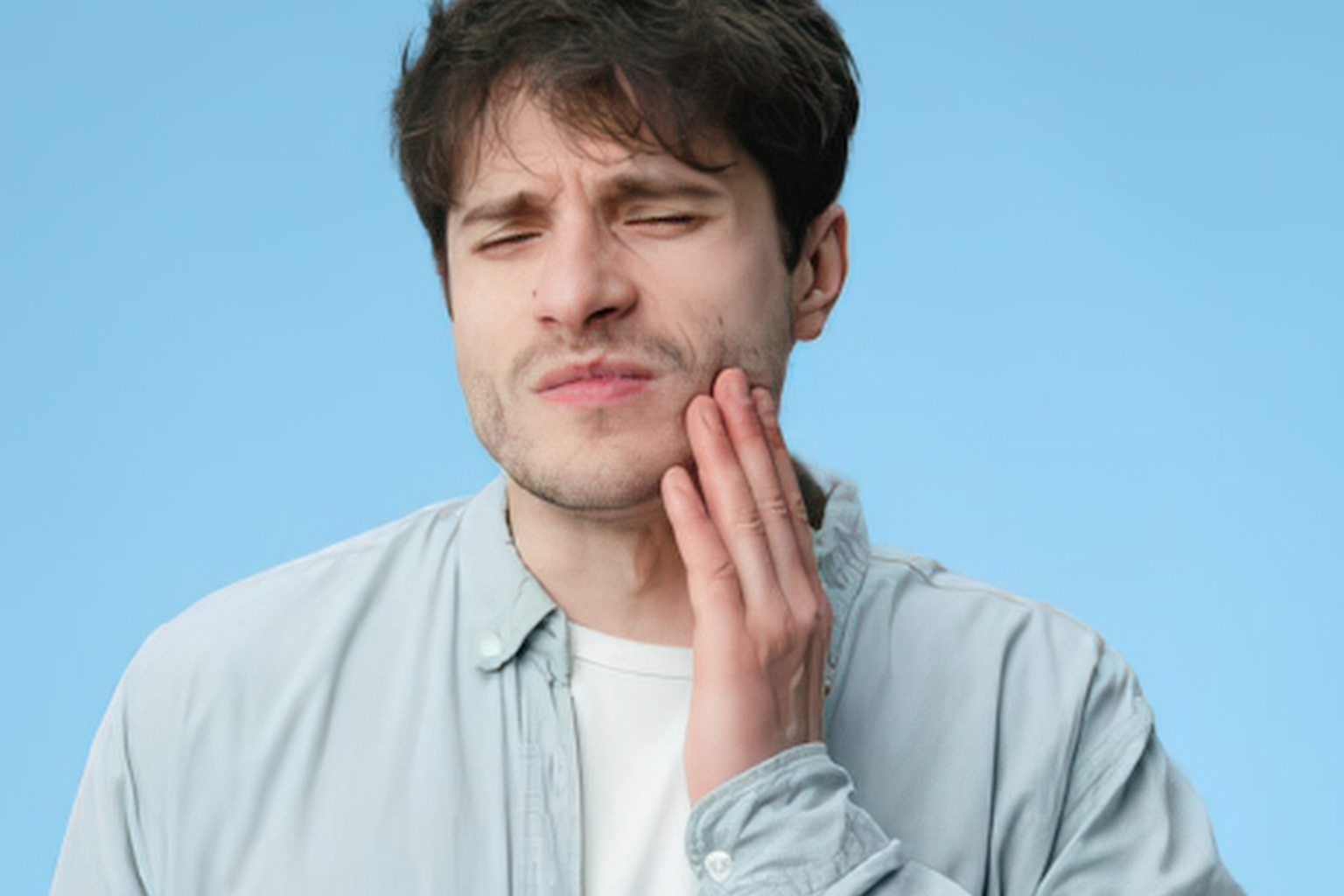
Pain around the jaw, cheeks, temples, or in front of the ears can sometimes be related to the temporomandibular joints or the muscles responsible for chewing.
Clicking, Popping, or Grinding
Some people notice clicking or popping when opening or closing their mouths. These sounds can occur with or without pain.
If jaw noises are accompanied by pain, locking, limited movement, or changes in how your bite feels, a professional evaluation may be appropriate.
Headaches
Some patients with jaw-related disorders experience headaches or pain around the temples and forehead. Jaw muscle tension and other factors may contribute to these symptoms.
Difficulty Opening Your Mouth
A jaw that feels stiff, catches, or does not open normally can be a sign that something within the jaw joint or surrounding muscles needs attention.
Facial Pain
Pain doesn't always feel like it's coming from the jaw. Some people experience discomfort in the cheeks, temples, face, or around the ears.
Ear Symptoms
Because the TMJ is located close to the ear, some people with TMD report sensations such as ear fullness, discomfort, or ringing. These symptoms can have many possible causes, so they should be properly evaluated rather than automatically attributed to TMJ.
Why See an Orofacial Pain Specialist for TMJ?
When searching for the best TMJ doctor near me, one of the most important things to consider is the provider's area of expertise.
Orofacial pain is a dental specialty focused on the diagnosis and management of pain and dysfunction involving the jaw, mouth, face, head, and associated structures.
An Orofacial Pain Specialist has specialized training in evaluating complex facial pain and jaw disorders.
At Columbia Center for Sleep Apnea & TMJ, Dr. Jared Bloxham uses his specialized training in orofacial pain to evaluate patients experiencing TMJ and jaw-related symptoms.
Rather than assuming that every patient with jaw pain needs the same treatment, the goal is to understand the individual patient's symptoms, history, contributing factors, and overall condition.
What Treatments Are Available for TMJ?
Treatment for TMD depends on the individual diagnosis and symptoms.
There is no single “best TMJ treatment” for every patient. Depending on the underlying problem, treatment may involve conservative and non-invasive approaches designed to reduce symptoms and improve jaw function.
Treatment options may include:
- Education about jaw function and habits
- Lifestyle and behavioral modifications
- Physical therapy or therapeutic exercises
- Oral appliances when appropriate
- Strategies to reduce excessive jaw muscle activity
- Medication recommendations when appropriate
- Treatment directed at specific joint or muscle conditions
- Additional therapies when clinically indicated
A key part of effective TMJ care is determining which treatment is appropriate for your particular condition.
More aggressive treatment isn't necessarily better treatment. In many cases, a conservative approach may be recommended first.
Searching for “TMJ Near Me”? Location Matters — But Expertise Matters More
When you search “TMJ near me,” search results can provide dozens of dental offices, medical practices, and other providers.
But proximity shouldn't be the only factor you consider.
When choosing a TMJ provider, consider:
1. Does the provider have specialized training?
Look for a provider whose education and professional focus include orofacial pain and TMJ disorders.
2. Does the provider perform a comprehensive evaluation?
A good TMJ evaluation should look beyond one isolated symptom and consider your overall jaw and facial pain experience.
3. Is treatment individualized?
Your symptoms, jaw function, history, and diagnosis should help guide treatment.
4. Does the practice treat complex jaw and facial pain?
Some TMJ cases are straightforward, while others can involve multiple contributing factors. Specialized experience can be particularly valuable when symptoms are persistent or difficult to diagnose.
When Should You See a TMJ Specialist?
Consider scheduling an evaluation if you have persistent jaw pain, recurring facial pain, frequent jaw headaches, painful clicking or popping, jaw locking, limited jaw movement, or other symptoms that are interfering with your daily life.
You don't necessarily need to wait until your symptoms become severe.
An evaluation can help determine whether your symptoms are related to a temporomandibular disorder or whether another issue may be contributing to your discomfort.
If you have sudden or severe symptoms, significant swelling, trauma, fever, or difficulty breathing or swallowing, seek appropriate urgent medical care.
Why Patients Choose Columbia Center for Sleep Apnea & TMJ
At Columbia Center for Sleep Apnea & TMJ, our focus includes conditions involving the jaw, facial pain, TMJ disorders, and related concerns.
Dr. Jared Bloxham is an Orofacial Pain Specialist dedicated to evaluating patients with complex jaw and facial pain symptoms.
Our approach centers on understanding the individual patient and developing a treatment plan based on the underlying problem rather than treating every case exactly the same way.
If you've been searching for a “TMJ doctor near me,” “TMJ specialist near me,” or “best TMJ doctor,” we encourage you to look beyond online rankings and consider the provider's specialty, experience, approach to diagnosis, and commitment to individualized care.
Find a TMJ Specialist Near You
Living with ongoing jaw pain or facial discomfort can be frustrating — especially when you aren't sure what's causing it.
If you're experiencing symptoms that may be related to TMJ or TMD, an evaluation with an Orofacial Pain Specialist can be an important step toward understanding your condition and exploring appropriate treatment options.
Columbia Center for Sleep Apnea & TMJ is here to help patients understand their jaw pain and explore personalized treatment options.
Dr. Jared Bloxham, Orofacial Pain Specialist
If you're searching for TMJ treatment near me, a TMJ specialist near me, or the best TMJ doctor, contact Columbia Center for Sleep Apnea & TMJ to schedule an evaluation and learn more about your options.
Frequently Asked Questions About TMJ
How do I find the best TMJ doctor near me?
When looking for a TMJ doctor, consider the provider's specialty, training, experience with TMD and orofacial pain, approach to diagnosis, and whether treatment is individualized to your condition.
Is TMJ the same thing as TMD?
Not exactly. TMJ refers to the temporomandibular joint itself. TMD, or temporomandibular disorder, is a broader term for conditions affecting the jaw joints, chewing muscles, or related structures. However, “TMJ” is commonly used by patients when referring to these disorders.
Does TMJ always require surgery?
No. Many TMD conditions can be managed with conservative, non-surgical approaches. The appropriate treatment depends on the specific diagnosis and individual circumstances.
Can headaches be related to TMJ?
Jaw and facial muscle disorders can contribute to headaches in some patients. However, headaches have many possible causes, so a proper evaluation is important before determining whether the jaw is contributing to your symptoms..
Ready to find out what's causing your jaw pain?
If you've been searching for
“TMJ near me” or the
“best TMJ doctor,” contact
Columbia Center for Sleep Apnea & TMJ to schedule an evaluation with
Dr. Jared Bloxham, Orofacial Pain Specialist.