
Looking for Oral Appliances Near Me?
If you have been diagnosed with sleep apnea and are searching for “oral appliances near me,” you may be looking for an alternative to CPAP that is easier to use and fits more naturally into your nightly routine.
At Columbia Center for Sleep Apnea & TMJ, we provide custom-fabricated oral sleep appliances for qualified patients with obstructive sleep apnea (OSA).
Our practice serves patients throughout the Tri-Cities—including Kennewick, Pasco, and Richland—as well as communities throughout Eastern Washington.
Oral appliance therapy may be an option for people who:
- Have difficulty tolerating CPAP
- Find their CPAP mask uncomfortable
- Struggle with CPAP because of claustrophobia
- Have difficulty sleeping with CPAP equipment
- Do not want to use CPAP
- Are looking for a non-CPAP treatment option for obstructive sleep apnea
- Have been told they may benefit from an oral appliance
If CPAP has not worked well for you, that does not necessarily mean you have run out of treatment options.
What Is an Oral Appliance for Sleep Apnea?
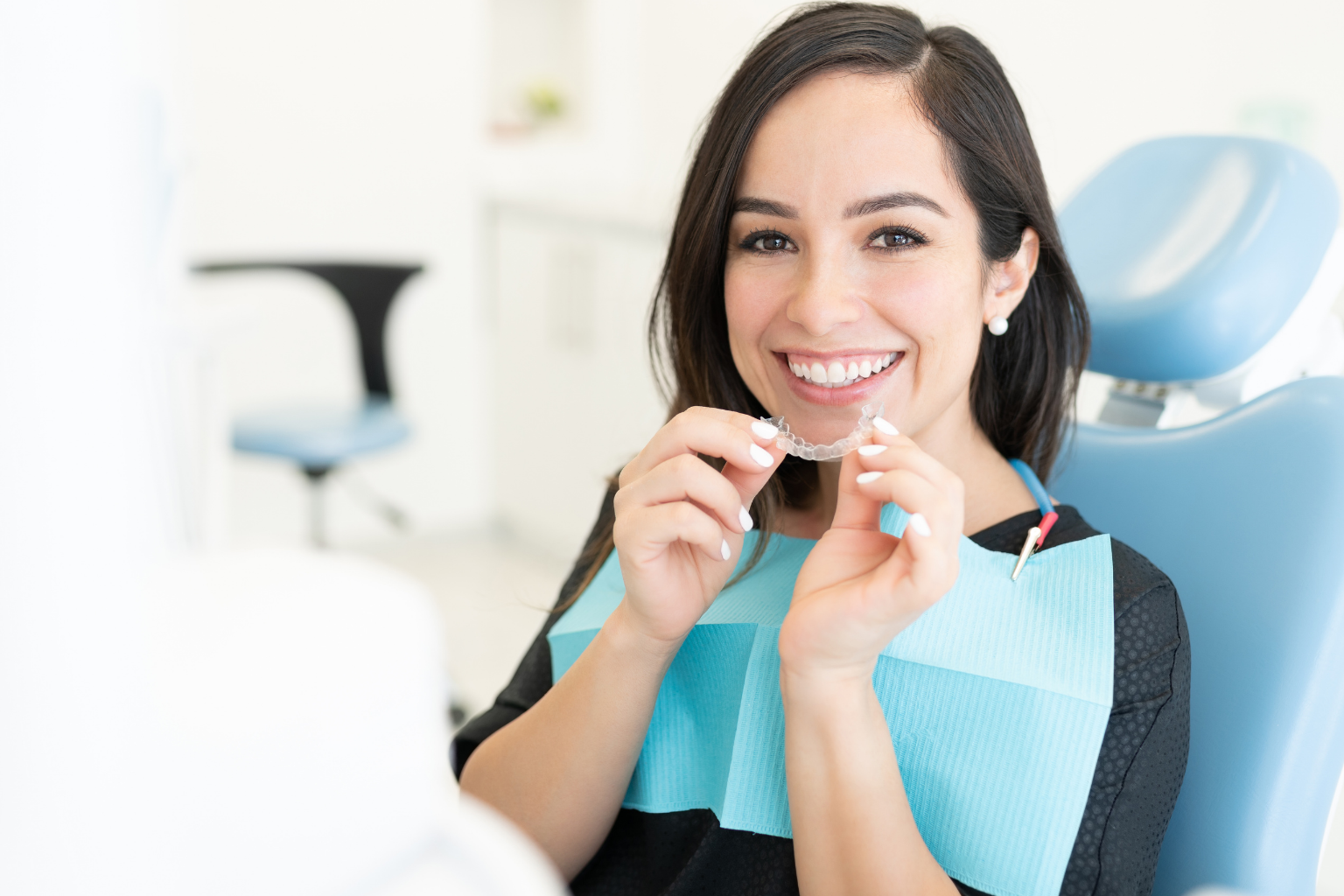
A sleep apnea oral appliance is a custom device worn in the mouth while you sleep.
Unlike a CPAP machine, an oral appliance does not require a mask, hose, or bedside machine.
A commonly used type of oral appliance works by gently repositioning the lower jaw and/or related structures to help maintain a more open upper airway during sleep.
The appliance is custom-designed for the individual patient rather than being a generic, one-size-fits-all device.
At Columbia Center for Sleep Apnea & TMJ, our doctor can custom fabricate oral sleep appliances for appropriate patients with sleep apnea.
Is an Oral Appliance an Alternative to CPAP?
For certain patients with obstructive sleep apnea, oral appliance therapy can be an alternative to CPAP.
CPAP remains an important and highly effective treatment for many people with sleep apnea. However, not everyone is able or willing to use CPAP consistently.
If you have been prescribed CPAP but are struggling to use it, an oral appliance may be worth discussing with a qualified sleep professional.
The appropriate treatment depends on factors such as your diagnosis, severity of sleep apnea, anatomy, medical history, and individual circumstances.
The goal is to find an effective treatment that you can actually use consistently.
Can't Tolerate CPAP? You May Have Another Option.
CPAP works extremely well when it is used consistently, but some patients have difficulty making it part of their nightly routine.
Common CPAP concerns include:
- Mask discomfort
- Air leaks
- Feeling claustrophobic
- Difficulty sleeping with the mask
- Pressure intolerance
- Removing the mask during sleep
- Difficulty traveling with CPAP equipment
- Noise or equipment concerns
- Difficulty adjusting to the sensation of airflow
If you have tried CPAP and are struggling with it, you are not alone.
One of the biggest advantages of an oral appliance is its simplicity.
Instead of wearing a mask connected to a machine, you wear a small, custom device in your mouth while sleeping.
For some patients, that difference can make treatment easier to incorporate into everyday life.
What If I Simply Don't Want to Use CPAP?
Some people are diagnosed with sleep apnea but do not want to use CPAP.
That's an important conversation to have with your sleep-care provider.
Untreated obstructive sleep apnea can have significant health consequences, so choosing to do nothing is not the only alternative to CPAP.
Depending on your diagnosis and individual needs, oral appliance therapy may provide another treatment option.
Our goal is to help patients understand their options so they can make informed decisions about their sleep apnea treatment.
Who Is a Candidate for a Sleep Apnea Oral Appliance?
Oral appliances can be appropriate for some adults with obstructive sleep apnea.
They may be particularly appealing for patients who:
- Have mild to moderate obstructive sleep apnea
- Cannot tolerate CPAP
- Prefer an alternative to CPAP
- Want a smaller, portable treatment option
- Travel frequently
- Have appropriate dental and jaw health for an appliance
However, an oral appliance is not automatically appropriate for every sleep apnea patient.
A proper evaluation is important to determine whether oral appliance therapy is a suitable treatment for you.
What Is the Difference Between a Custom Oral Appliance and a Store-Bought Device?
If you search for “oral appliances near me,” you may also find inexpensive, generic devices sold online or in stores.
These are not the same as a professionally fitted, custom oral appliance.
A custom sleep apnea appliance is designed specifically for your mouth and treatment needs.
Professional oral appliance therapy can involve:
- Evaluation of your sleep apnea and treatment history
- Assessment of your teeth, jaw, and oral structures
- Digital impressions or other measurements
- Custom fabrication of the appliance
- Fitting and adjustment
- Follow-up to evaluate comfort and effectiveness
- Ongoing monitoring as appropriate
A custom appliance allows your provider to make adjustments based on how you respond to treatment.
How Does an Oral Appliance Work?
Many oral appliances used for obstructive sleep apnea are designed to reposition the lower jaw during sleep.
By changing the position of the jaw and related soft tissues, the appliance can help reduce the tendency of the upper airway to collapse in appropriately selected patients.
The appliance does not work by forcing air into your airway like CPAP.
Instead, it works by modifying the position of structures involved in maintaining airway space.
Because everyone's anatomy and sleep apnea are different, an evaluation is necessary to determine whether this approach is appropriate.
What Can I Expect When Getting an Oral Appliance?
Getting a custom sleep apnea oral appliance generally involves several steps.
Step 1: Evaluation
Your provider will review your sleep apnea diagnosis, sleep study, symptoms, treatment history, and overall health.
Your teeth, jaw, and oral structures may also be evaluated to determine whether you are a good candidate.
Step 2: Custom Fabrication
If an oral appliance is appropriate, measurements or digital records can be used to create a device designed specifically for you.
Step 3: Fitting and Adjustment
Once your appliance is ready, it will be fitted and adjusted as needed for comfort and appropriate positioning.
Step 4: Follow-Up
Follow-up is an important part of oral appliance therapy.
Your provider may monitor your symptoms and make adjustments when appropriate. Follow-up sleep testing may also be recommended to determine how effectively the appliance is treating your sleep apnea.
Are Oral Appliances Comfortable?
Comfort varies from person to person.
One advantage of a custom oral appliance is that it is designed for the individual patient's mouth rather than being a generic device.
Some patients find an oral appliance easier to sleep with than a CPAP mask. However, like any medical treatment, oral appliance therapy can have side effects or require an adjustment period.
Your provider can discuss potential benefits and risks with you before treatment.
Can I Travel With an Oral Sleep Apnea Appliance?
One reason many patients like oral appliance therapy is portability.
An oral appliance is small and does not require the same type of equipment as CPAP. For patients who travel frequently, this can make maintaining their sleep apnea treatment routine more convenient.
Whether you are traveling for work, taking a vacation, or simply spending a night away from home, an oral appliance can be easier to pack and transport.
Oral Appliances in Kennewick, Richland, and Pasco
If you are searching for “oral appliances near me” in the Tri-Cities, Columbia Center for Sleep Apnea & TMJ provides custom oral sleep appliance therapy for qualified patients.
Our office serves patients in:
- Kennewick
- Richland
- Pasco
- West Richland
- Benton City
- Prosser
- Walla Walla
- And communities throughout Eastern Washington
If you live outside the immediate Tri-Cities area, contact our office to learn more about whether our practice may be a convenient option for you.
Why Choose Columbia Center for Sleep Apnea & TMJ?
Sleep apnea treatment is not one-size-fits-all.
At Columbia Center for Sleep Apnea & TMJ, our approach is focused on finding treatment options that fit the patient's individual needs.
For patients who cannot tolerate CPAP—or those who simply do not want to use CPAP—custom oral appliance therapy may provide an effective alternative when clinically appropriate.
Our doctor has specialized expertise in sleep-disordered breathing and can custom fabricate oral sleep appliances designed for the individual patient.
We believe patients should understand their treatment options and have the opportunity to discuss alternatives when their current sleep apnea treatment isn't working for them.
Don't Give Up on Sleep Apnea Treatment Because CPAP Isn't Working for You
If you have stopped using your CPAP because it is uncomfortable, difficult to tolerate, or simply not compatible with your lifestyle, don't assume that your only choices are CPAP or untreated sleep apnea.
Oral appliance therapy may be another option.
A custom-fabricated oral sleep appliance can provide a convenient, portable treatment option for appropriately selected patients with obstructive sleep apnea.
The first step is determining whether you are a good candidate.
Looking for Oral Appliances Near You?
If you are in Kennewick, Richland, Pasco, the Tri-Cities, or elsewhere in Eastern Washington, Columbia Center for Sleep Apnea & TMJ can help you explore your sleep apnea treatment options.
If you cannot tolerate CPAP or simply want to learn whether a custom oral sleep appliance could be right for you, contact Columbia Center for Sleep Apnea & TMJ to schedule an evaluation.
Frequently Asked Questions About Oral Appliances for Sleep Apnea
Can an oral appliance replace CPAP?
For some patients with obstructive sleep apnea, oral appliance therapy can be an alternative to CPAP. However, CPAP may remain the preferred treatment for some patients, particularly those with more severe disease. A qualified provider can help determine which treatment is appropriate for you.
What if I can't tolerate my CPAP?
If you are having difficulty tolerating CPAP, talk with your sleep provider before abandoning treatment. Depending on your diagnosis, a custom oral appliance may be an alternative worth considering.
Can I get an oral appliance without a CPAP machine?
An oral appliance may be appropriate for certain patients who prefer not to use CPAP. However, you should receive an appropriate sleep apnea diagnosis and evaluation before beginning treatment.
Are sleep apnea oral appliances covered by insurance?
Coverage varies by insurance plan and individual circumstances. Our office can help you understand the process and what information may be required by your insurance provider.
Where can I get an oral appliance for sleep apnea near me?
Patients searching for oral appliances near me in the Tri-Cities and Eastern Washington can contact Columbia Center for Sleep Apnea & TMJ to learn about custom oral appliance therapy and schedule an evaluation.
Medical Disclaimer: This article is intended for general educational purposes and is not a substitute for professional medical or dental advice, diagnosis, or treatment. Not every patient with sleep apnea is a candidate for oral appliance therapy. Treatment recommendations should be based on an appropriate evaluation by a qualified healthcare professional.